Understanding Hydration Needs for Active Lifestyles
Hydration is a fundamental aspect of maintaining optimal performance, especially for those engaged in sports and high-intensity activities. The body’s need for hydration and electrolyte balance increases significantly during exercise due to fluid loss through sweat and respiration. While water is essential for hydration, the role of sodium in sports drinks is becoming increasingly recognized in sports nutrition. Understanding the differences between these two options can help athletes and fitness enthusiasts make informed choices about their hydration strategies.
The Role of Water in Hydration
Water is the most basic and essential form of hydration. It plays a crucial role in regulating body temperature, joint lubrication, and nutrient transportation. For most people, especially those engaging in light to moderate physical activity, drinking sufficient water throughout the day is typically adequate to meet hydration needs. The general recommendation is to consume around 8-10 glasses of water daily, but this can vary based on individual factors such as body weight, climate, and activity level.
During exercise, especially in hot conditions, the body loses water rapidly. In such cases, maintaining hydration with plain water is often sufficient for activities lasting less than an hour. However, it is important to note that water alone does not replenish electrolytes, which are vital for muscle function and overall performance during prolonged physical activity.
What Are Electrolyte Drinks?
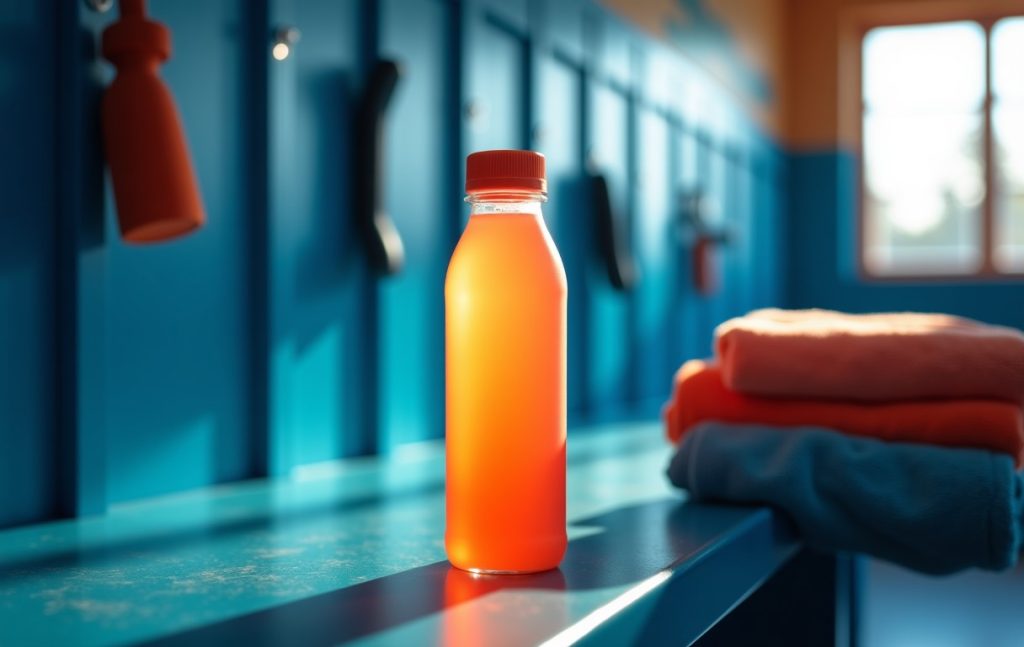
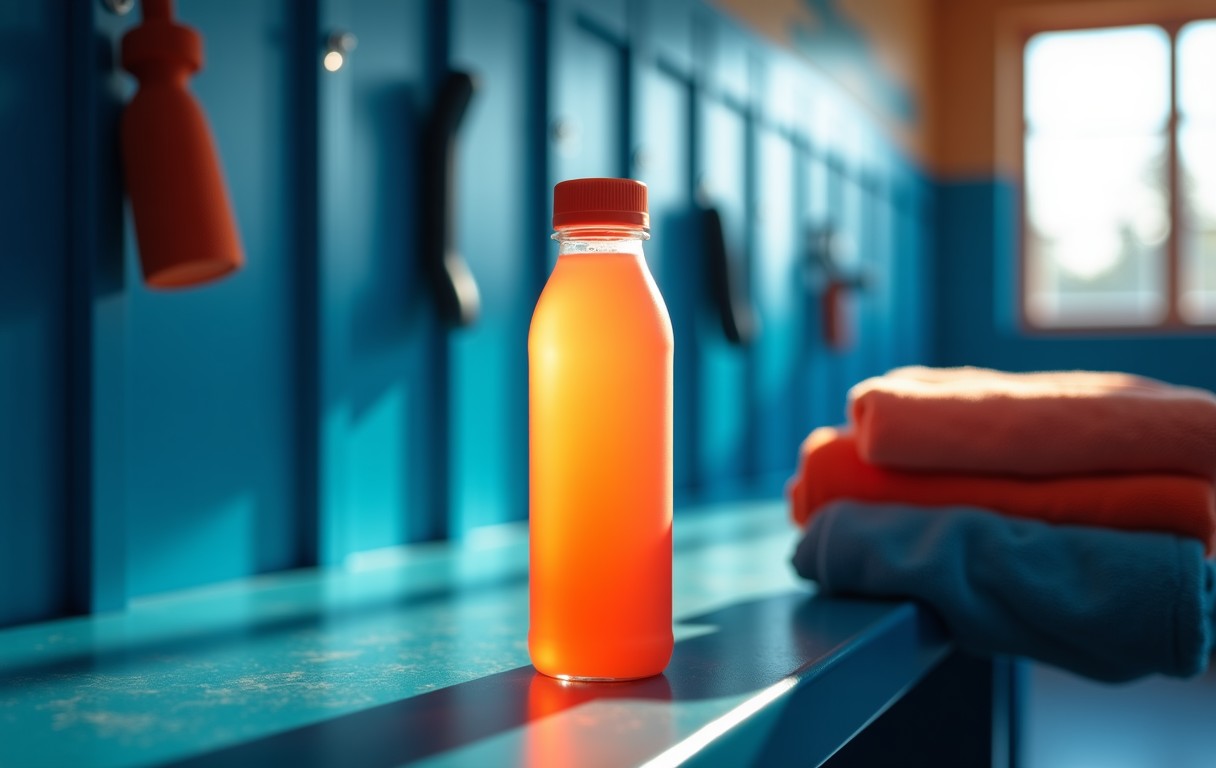
Electrolyte drinks are beverages that contain a blend of water, electrolytes, and often sugars or flavorings. Common electrolytes include sodium, potassium, calcium, and magnesium, which are lost through sweat. sports drinks support hydration by helping replenish electrolytes lost during intense physical activity. They can also enhance hydration by promoting fluid retention in the body, which is crucial for athletes and individuals engaged in prolonged exercise sessions.
Electrolyte drinks are particularly beneficial for endurance athletes, such as marathon runners or cyclists, who may experience significant electrolyte loss during extended periods of exercise. The added sugars in many electrolyte drinks provide a quick source of energy, making these beverages popular among competitive athletes and those engaging in high-intensity workouts.
When to Choose Electrolyte Drinks Over Water
Choosing between electrolyte drinks and water largely depends on the duration and intensity of the physical activity. For activities lasting less than an hour, water is generally sufficient for hydration. However, during workouts exceeding an hour, especially in hot or humid conditions, electrolyte drinks can be advantageous. They not only help replenish lost electrolytes but also provide carbohydrates that can aid in sustaining energy levels.

Additionally, athletes engaging in high-intensity training or competitions may benefit from electrolyte drinks to prevent hyponatremia, a condition caused by low sodium levels in the blood. This is especially important for those who sweat heavily and need to replace lost sodium to maintain optimal muscle function and prevent cramping.
Potential Downsides of Electrolyte Drinks
While electrolyte drinks have their benefits, they also come with potential downsides. Many commercial electrolyte beverages contain added sugars, which can contribute to excess calorie intake and may lead to weight gain if consumed inappropriately. For individuals not engaging in high levels of physical activity, these extra sugars can be unnecessary and counterproductive to fitness goals.
Moreover, some electrolyte drinks may contain artificial flavors, colors, or preservatives that may not align with a clean eating philosophy. For those focused on whole foods and natural ingredients, it is essential to read labels and choose products that fit their dietary preferences. Homemade electrolyte drinks can be a healthier alternative, allowing individuals to control the ingredients and sugar levels.
Hydration Strategies for Different Activities
Establishing hydration strategies for runners, tailored to specific activities, can enhance performance and recovery. For casual exercisers or those participating in short workouts, a simple approach of drinking water before, during, and after exercise may suffice. This approach ensures adequate hydration without the need for added sugars or electrolytes.

For endurance athletes or individuals participating in prolonged activities, incorporating electrolyte drinks can be beneficial. A good practice for gym beginners is to start hydrating with water, then switch to an electrolyte drink after the first hour of exercise. This strategy helps maintain hydration in hot weather training, supporting energy levels during intense sessions.
Signs of Dehydration and Electrolyte Imbalance
Recognizing the signs of dehydration and electrolyte imbalance is crucial for athletes and fitness enthusiasts. Common symptoms of dehydration include thirst, dry mouth, fatigue, dizziness, and dark yellow urine. If dehydration is not addressed, it can lead to more severe consequences, such as decreased performance, heat-related illnesses, and even hospitalization.
Electrolyte imbalance can present similarly, with symptoms including muscle cramps, weakness, confusion, and irregular heartbeat. If you experience these symptoms during or after exercise, it may be a sign that your hydration strategy needs adjustment. Listening to your body and adjusting fluid intake accordingly can help prevent these issues and support overall health and performance.
Making Informed Choices for Hydration
Ultimately, the choice between electrolyte drinks and water should be based on individual needs, activity levels, and personal preferences. For most individuals, especially those engaging in light to moderate exercise, water remains the best option for hydration. However, for athletes and those participating in prolonged or intense activities, electrolyte drinks can provide valuable benefits.
When selecting an electrolyte drink, it is essential to consider the ingredients and nutritional content. Opt for drinks with natural ingredients and minimal added sugars whenever possible. Additionally, staying aware of personal hydration needs and adjusting intake based on activity levels, climate, and individual sweat rates can lead to more effective hydration strategies.

I’ve always been fascinated by how the right nutrients can boost performance and recovery, so I spend my free time testing new sports drinks and supplements. Sharing what I learn helps others make informed choices for their fitness goals.