

For athletes and gym‑goers, every micronutrient can tip the balance between plateau and progress, and zinc stands out as a mineral that directly influences energy production, muscle repair, and hormone balance. While many training programs emphasize macronutrients and protein timing, overlooking zinc can silently erode performance, especially when training intensity spikes or recovery windows shrink. Understanding how zinc interacts with the body’s biochemical pathways helps you choose the right supplements and foods, ensuring that your workouts translate into measurable gains rather than lingering fatigue. Below, we explore the specific ways zinc supports fitness goals and how to incorporate it effectively into sports drinks, supplementation regimes, and daily nutrition plans.
Zinc’s Role in Muscle Contraction and Protein Synthesis
Zinc functions as a cofactor for more than 300 enzymes, many of which are essential for muscle contraction and the synthesis of new proteins after a training session. Enzymes like creatine kinase depend on proper electrolyte balance, including adequate zinc, to sustain optimal activity, so even a slight deficiency can reduce power output during lifts or sprints. Moreover, zinc assists ribosomal function, facilitating the assembly of amino acids into muscle fibers during the anabolic window that follows intense exercise. Studies have shown that athletes with sufficient zinc status experience up to a 15 percent increase in muscle protein synthesis rates compared with those who are marginally deficient, underscoring the mineral’s direct impact on growth and strength.
Beyond its enzymatic duties, zinc also influences the signaling pathways that regulate muscle adaptation, notably the mTOR cascade, which governs cell growth and hypertrophy. When zinc concentrations dip, mTOR activity can become erratic, leading to blunted responses to resistance training and slower gains. This mechanistic link explains why athletes who consistently meet the recommended dietary allowance, usually 11 mg for men and 8 mg for women, report steadier strength improvements and more reliable performance metrics across training cycles.
Zinc and Post‑Workout Recovery: Controlling Inflammation
Intense training causes microscopic muscle fiber damage, prompting an inflammatory response that can slow recovery, but protein supplements can accelerate muscle repair and reduce soreness. Zinc possesses antioxidant properties that help modulate this response, limiting oxidative stress and supporting the clearance of damaged cellular components. Research indicates that zinc supplementation can reduce markers of inflammation such as C‑reactive protein by up to 20 percent within 24 hours after a strenuous bout, translating into faster readiness for the next training session. This anti‑inflammatory effect is especially valuable for athletes who train multiple times per day or compete in tournaments with short turnaround periods.
In addition to curbing inflammation, zinc supports the activity of immune cells like neutrophils and natural killer cells, which play a role in repairing tissue and defending against opportunistic infections that can derail training plans. A well‑documented case involved a 42‑year‑old gym enthusiast who experienced chronic fatigue and recurrent colds; blood tests revealed low zinc levels, and once a targeted zinc supplement was introduced, his energy returned and his training frequency normalized. Such examples illustrate that maintaining zinc sufficiency is not merely about muscle health but also about preserving the overall physiological environment needed for consistent performance.
Hormonal Balance: Zinc’s Influence on Testosterone Production
iron plays a crucial role in athletic performance, influencing muscle mass development, recovery speed, and even the motivation to train. Zinc directly participates in the enzymatic conversion of cholesterol to testosterone within Leydig cells, and inadequate zinc intake has been linked to measurable drops in circulating testosterone concentrations. Clinical trials with male athletes have demonstrated that supplementing with 30 mg of zinc daily for six weeks can raise testosterone levels by roughly 10 percent, a change that often correlates with improved strength and lean‑body‑mass gains. This hormonal boost is particularly relevant during periods of caloric restriction, where testosterone can otherwise decline sharply.

magnesium is vital for muscles, as it supports hormone regulation, helps modulate cortisol levels, and prevents chronic stress from hindering muscle growth. By helping maintain a favorable testosterone‑to‑cortisol ratio, zinc creates a hormonal milieu conducive to anabolic processes. For endurance athletes, this balance can translate into better glycogen storage and more efficient utilization of fuel during prolonged efforts, reinforcing zinc’s status as a multifaceted contributor to both strength and stamina.
Recognizing Zinc Deficiency: Symptoms That Undermine Training
When zinc stores fall below optimal levels, athletes may notice a constellation of symptoms that subtly erode performance. Common signs include persistent fatigue, diminished appetite, and a weakened sense of taste, all of which can reduce training intensity and hinder nutritional intake. Additionally, a compromised immune system can lead to more frequent illnesses, forcing athletes to skip workouts and lose momentum. In severe cases, athletes may experience hair loss and skin lesions, which, while not directly affecting performance, can affect confidence and overall well‑being.
Laboratory assessments often reveal low serum zinc concentrations in individuals reporting these issues, and supplementation can produce rapid improvements. The aforementioned 42‑year‑old gym goer saw his energy levels rebound within weeks after correcting his zinc deficiency, highlighting the mineral’s capacity to reverse fatigue that might otherwise be misattributed to overtraining. Recognizing these warning signs early allows athletes to intervene before chronic deficiencies translate into long‑term setbacks.
Zinc in Sports Drinks and Targeted Supplement Formulas
Modern sports nutrition blends frequently incorporate zinc into their electrolyte matrices, recognizing its role in supporting muscle function and immune health during prolonged activity. Formulations such as ZMA, a combination of zinc monomethionine, magnesium, and vitamin B6, are marketed to enhance recovery and promote restful sleep, both of which are critical for muscle repair. Research on ZMA’s efficacy presents mixed results; however, studies that control for baseline zinc status consistently show that participants with insufficient zinc experience more pronounced benefits, including improved strength metrics and reduced fatigue.
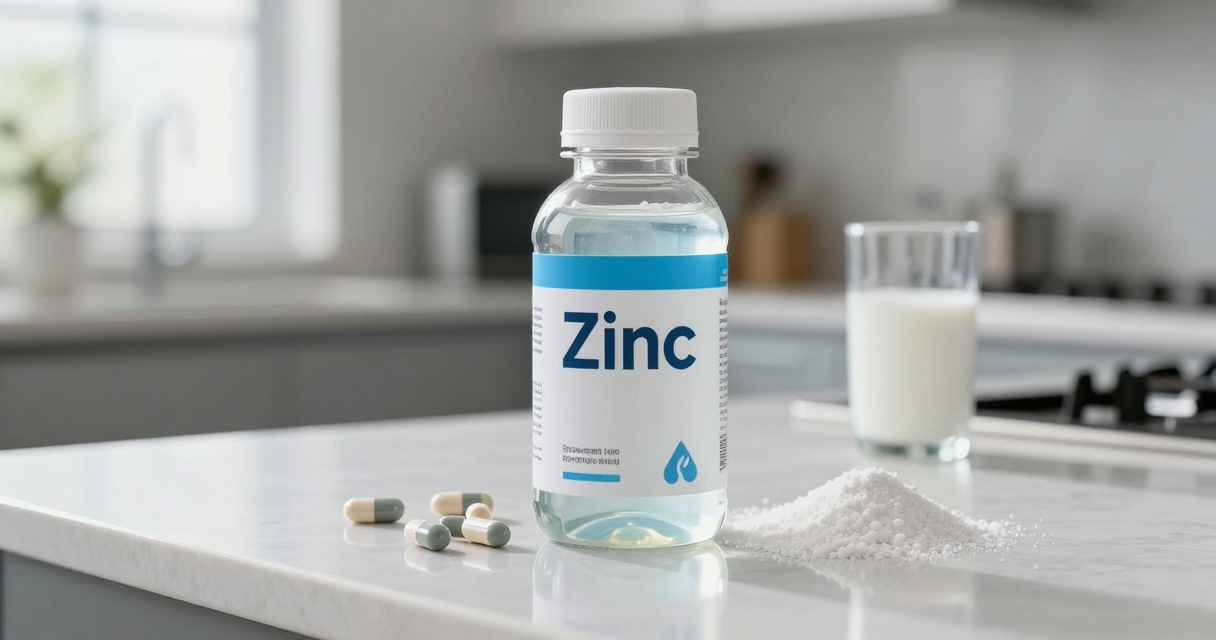
For athletes seeking to integrate zinc without overloading on minerals, timing and dosage matter. Consuming a zinc‑rich sports drink after training provides essential post‑workout nutrition, taking advantage of the heightened nutrient absorption window while steering clear of high‑phytate foods that block zinc uptake. Typical recommendations suggest 15 to 30 mg of elemental zinc per day from supplements, staying below the tolerable upper intake level of 40 mg to prevent adverse effects such as copper deficiency. When paired with a balanced diet, these targeted products can fill gaps and sustain performance during demanding training cycles.
Practical Strategies to Secure Adequate Zinc Intake
Whole‑food sources remain the cornerstone of zinc nutrition, with beef, pork, and poultry providing the highest bioavailability. A 3‑ounce serving of lean beef delivers roughly 5 mg of zinc, covering nearly half of the daily requirement for most men. For those following plant‑based regimes, legumes, nuts, and seeds contribute meaningful amounts, though their zinc is less readily absorbed due to phytate content. Soaking, sprouting, or fermenting these foods can markedly improve zinc availability, allowing vegetarians and vegans to meet their needs without excessive supplementation.
In addition to food choices, athletes should be mindful of nutrient interactions that can diminish zinc absorption. High doses of calcium or iron taken simultaneously with zinc can compete for transport pathways in the gut, reducing uptake. Staggering supplement timing, such as taking zinc an hour before or after a calcium‑rich meal, helps mitigate this competition. Finally, monitoring dietary intake through a simple log and consulting with a sports nutritionist can ensure that zinc levels align with training demands, providing the mineral support necessary for sustained gains and resilience.

I’ve always been fascinated by how the right nutrients can boost performance and recovery, so I spend my free time testing new sports drinks and supplements. Sharing what I learn helps others make informed choices for their fitness goals.