

Choosing healthy meal replacements is an essential consideration for those looking to support their fitness goals and maintain a balanced diet. In the realm of sports drinks, dietary supplements, and proper nutrition, meal replacements can serve as a convenient option for busy individuals or those seeking to control their caloric intake. Understanding the nutritional composition, ingredients, and purpose of these products is vital for making informed choices. This article will delve into the factors you should consider when selecting a healthy meal replacement, ensuring you find a product that aligns with your health and fitness objectives.
Nutritional Value: What to Look For
When evaluating meal replacements, the nutritional value is paramount. Look for products that contain a balanced mix of macronutrients: proteins, carbohydrates, and fats. A good meal replacement should provide at least 15-30 grams of protein, which is essential for muscle repair and growth, especially for those engaged in regular physical activity. Additionally, carbohydrates should come from complex sources like oats or whole grains, offering sustained energy without causing spikes in blood sugar. Healthy fats, such as those from nuts and seeds, are also important, as they support overall health and hormone production.
Vitamins and minerals are another critical aspect of meal replacements. A high-quality product should include a range of essential vitamins and minerals to help cover any dietary gaps. Look for meal replacements that offer at least 20-30% of the daily recommended intake for key nutrients like vitamin D, calcium, iron, and magnesium. This ensures that while you are using meal replacements, you are still meeting your nutritional needs.
Ingredient Transparency and Quality
Ingredient quality is a significant factor in choosing a healthy meal replacement. Always read the label to ensure that the product is free from artificial additives, fillers, or preservatives. Opt for meal replacements that use whole food ingredients, such as real fruits, vegetables, and whole grains. This not only enhances the nutritional profile but also makes the product more satisfying and easier for your body to digest.
Additionally, consider the source of protein in the meal replacement. Products that use whey, casein, or plant-based proteins like pea or brown rice are generally healthier options. These sources are more bioavailable, meaning your body can absorb and utilize them more effectively. Avoid meal replacements that rely on low-quality protein sources, as these can lead to digestive discomfort and may not provide the same benefits as higher-quality options.
Caloric Content and Portion Control
Portion control is crucial when it comes to meal replacements, especially for those looking to manage their weight. A typical meal replacement shake should contain between 200 to 400 calories, depending on your specific dietary needs and activity level. It’s important to ensure that the caloric content aligns with your overall daily caloric intake goals.

For example, if you’re using meal replacements for weight loss, you may want to choose lower-calorie options while still ensuring that you are meeting your macronutrient requirements. Conversely, if you are an athlete or someone with higher energy needs, a higher-calorie meal replacement may be necessary to fuel your workouts and recovery. Always consider how a meal replacement fits into your overall diet and adjust your intake accordingly.
Purpose and Usage: Meal Replacement vs. Supplement
Understanding the purpose of a meal replacement is essential for making the right choice. Some meal replacements are designed to replace a full meal, while others may serve as a supplement to enhance your diet. If you are looking to replace a meal, make sure the product is complete and provides adequate nutrition. If you’re using it as a snack or supplement, you may not need as many calories or macronutrients.
For individuals engaged in intense training, meal replacements can be a convenient way to ensure you are getting enough nutrients without having to prepare a full meal. However, it’s important to strike a balance. Relying solely on meal replacements can lead to nutritional deficiencies over time. Aim to incorporate whole foods into your diet alongside meal replacements to maintain a well-rounded nutritional profile.
Flavor and Texture: Enjoyability Matters
The taste and texture of a meal replacement can significantly impact your willingness to consume it regularly. If a product tastes unpleasant or has a chalky texture, you are less likely to stick with it. Many brands now offer a variety of flavors to cater to different preferences, from chocolate and vanilla to fruit-based options.
When trying a new meal replacement, consider sampling a few different flavors or brands to find one that you enjoy. You can also experiment with adding ingredients like fruits, greens, or nut butters to enhance the flavor and nutritional value. A satisfying meal replacement can make it easier to adhere to your dietary goals and support your fitness journey.
Cost vs. Value: Finding the Right Balance
The cost of meal replacements can vary widely, from budget-friendly options to premium products. While it may be tempting to choose the cheapest option, it is essential to consider the value you are getting for your money. Higher-priced meal replacements often contain better quality ingredients and more comprehensive nutritional profiles, which can justify the investment.
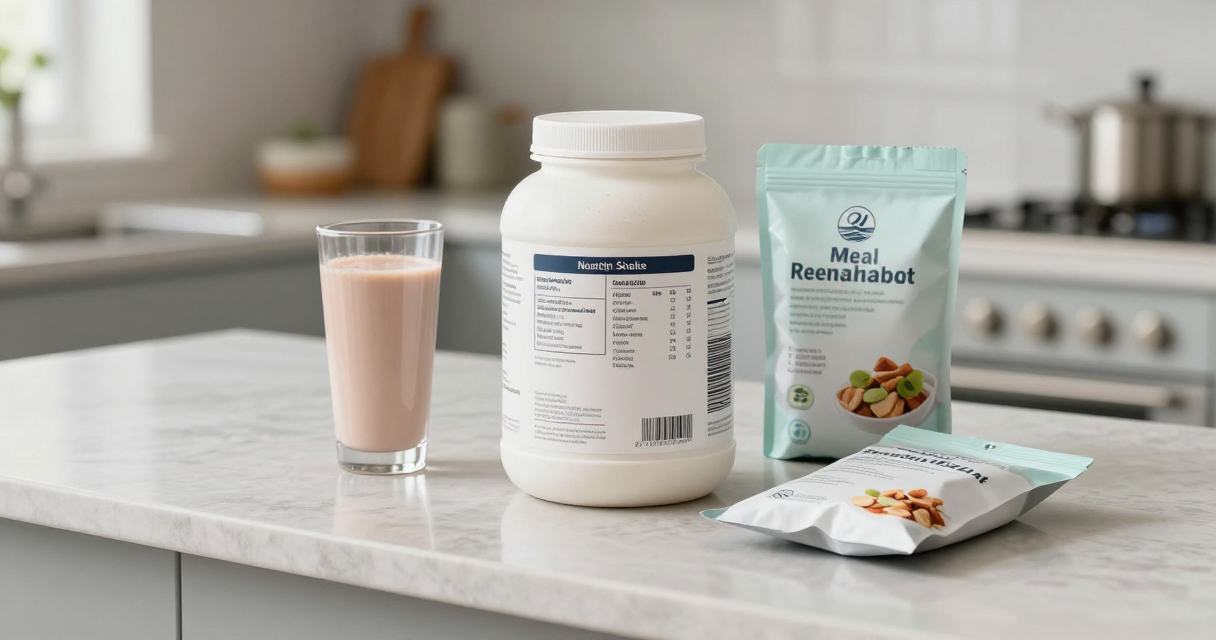
Evaluate the cost per serving and compare it to the nutritional benefits offered. Sometimes, spending a bit more on a higher-quality meal replacement can be more economical in the long run, especially if it helps you meet your health and fitness goals more effectively. Look for brands that offer bulk purchasing options or subscriptions for added savings.
Consulting Professionals for Personalized Recommendations
Before incorporating meal replacements into your diet, consider consulting with a healthcare professional or a registered dietitian. These experts can provide personalized recommendations based on your specific health goals, dietary restrictions, and lifestyle. They can help you determine how meal replacements can fit into your overall nutrition plan and ensure that you are making choices that support your long-term well-being.
A dietitian can also help you navigate the myriad of options available on the market, guiding you toward products that align with your health goals. They can assist in developing a balanced meal plan that incorporates both whole foods and meal replacements, ensuring you get the nutrients you need without sacrificing taste or enjoyment.

I’ve always been fascinated by how the right nutrients can boost performance and recovery, so I spend my free time testing new sports drinks and supplements. Sharing what I learn helps others make informed choices for their fitness goals.