Understanding Hydration Monitoring in Sports Nutrition
hydration myths in sports are often overlooked, even though hydration is a critical factor in athletic performance and overall health. sports drinks support hydration, which can enhance endurance, improve recovery, and prevent injuries. With the increasing popularity of sports drinks and dietary supplements, understanding hydration monitoring techniques is essential for athletes, trainers, and fitness enthusiasts. These techniques help ensure that individuals maintain optimal fluid levels, which is vital for peak performance and health. This article explores low-calorie sports drinks, their benefits, and how they can be integrated into a sports nutrition plan.
The Importance of Hydration Monitoring
Monitoring hydration for endurance athletes is crucial for those who engage in prolonged physical activity. Dehydration can lead to fatigue, decreased coordination, and impaired cognitive function. Studies show that even a 2% drop in body weight due to fluid loss can negatively affect performance. Therefore, athletes must adopt effective hydration monitoring techniques to prevent such outcomes. By understanding their hydration status, athletes can make informed decisions about fluid intake before, during, and after exercise. This proactive approach not only enhances performance but also promotes overall health and recovery.
Visual Assessment Techniques
One of the simplest methods for monitoring hydration is through visual assessment. This technique involves checking the color of urine as an indicator of hydration status. A pale yellow color typically signifies adequate hydration, while darker shades indicate a need for increased fluid intake. While this method is easy and quick, it is subjective and can vary based on diet and supplements. Therefore, athletes should combine visual assessments with other techniques for a more accurate understanding of their hydration needs.
Body Weight Monitoring
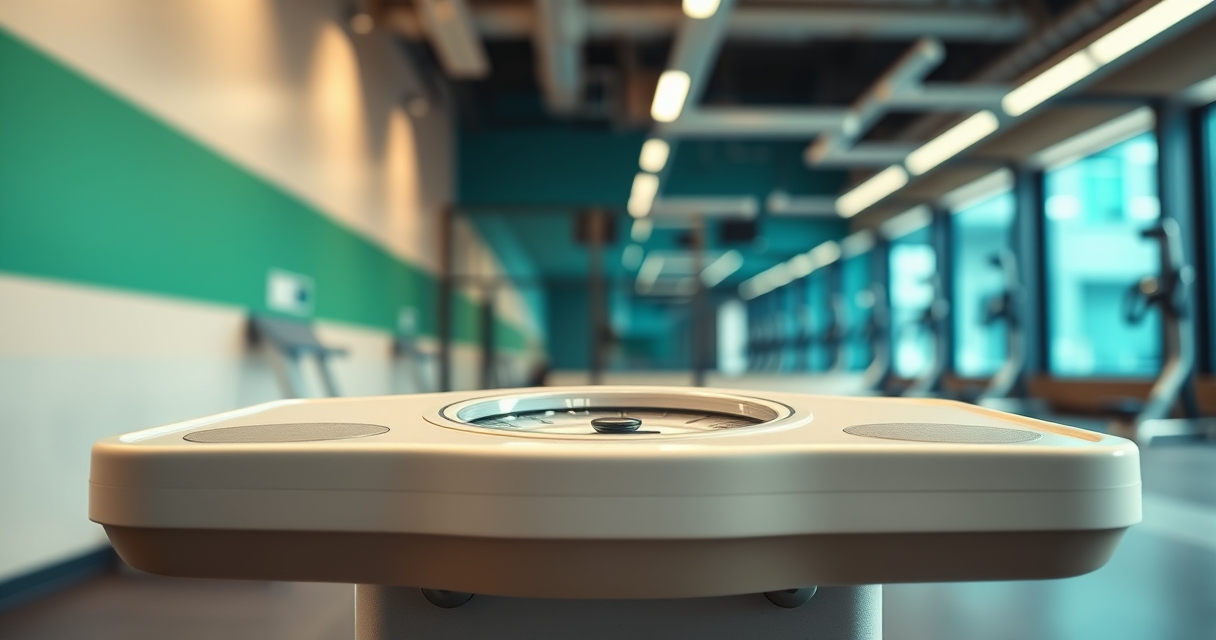
Tracking body weight before and after exercise sessions is another effective hydration monitoring technique. Athletes can weigh themselves before and after workouts to gauge fluid loss, a key aspect of post-workout nutrition basics. A weight loss of 1% to 2% during exercise can signal dehydration, prompting the need for fluid replacement. This method provides a quantitative measure of hydration status, making it particularly useful for endurance athletes who may not notice subtle changes in their body’s fluid levels. Regular monitoring allows athletes to adjust their hydration strategies accordingly, ensuring they remain adequately hydrated during training and competition.
Hydration Sensors and Wearable Technology
Advancements in technology have led to the development of various hydration sensors and wearable devices that monitor hydration levels in real time. These devices often utilize sweat analysis to provide insights into electrolyte loss and hydration status. For instance, some wearables can measure sweat rate and composition, helping athletes understand their unique hydration needs based on individual sweat profiles. This personalized approach can be incredibly beneficial, particularly for athletes who compete in different environments or have varying sweat rates. By integrating these technologies into a training regimen, athletes can optimize their hydration strategies for better performance.
Electrolyte Balance Monitoring
Hydration is not solely about water intake; maintaining electrolyte balance is equally important. Electrolytes such as sodium, potassium, and magnesium play vital roles in muscle function and hydration. Monitoring electrolyte balance during exercise can help athletes prevent cramps, fatigue, and other issues related to dehydration. Some advanced hydration monitoring techniques involve analyzing sweat samples to determine electrolyte concentration. This information can guide athletes in selecting the right sports drinks or supplements to replenish lost electrolytes effectively, ensuring they maintain optimal fluid and electrolyte balance during training and competition.

Fluid Intake Tracking
Keeping a detailed record of fluid intake is another essential component of hydration monitoring. Athletes can use apps or hydration journals to track the types and amounts of fluids consumed throughout the day. This technique allows individuals to identify patterns in their hydration habits and make necessary adjustments. For instance, some athletes may find they are not drinking enough water during training sessions or may rely too heavily on sugary sports drinks. By tracking fluid intake, athletes can ensure they are meeting their hydration needs and making healthier choices in their beverage selections.
Professional Guidance and Hydration Strategies
While self-monitoring techniques are valuable, seeking professional guidance can enhance an athlete’s hydration strategy. Sports nutritionists and dietitians can provide personalized hydration plans and also suggest healthy snack ideas for athletes based on their specific needs, goals, and activity levels. These professionals can also educate athletes on the importance of timing fluid intake, the role of different types of beverages, and how to adjust hydration strategies based on environmental factors such as heat and humidity. By working with an expert, athletes can implement effective hydration monitoring techniques that align with their training and performance objectives.

I’ve always been fascinated by how the right nutrients can boost performance and recovery, so I spend my free time testing new sports drinks and supplements. Sharing what I learn helps others make informed choices for their fitness goals.