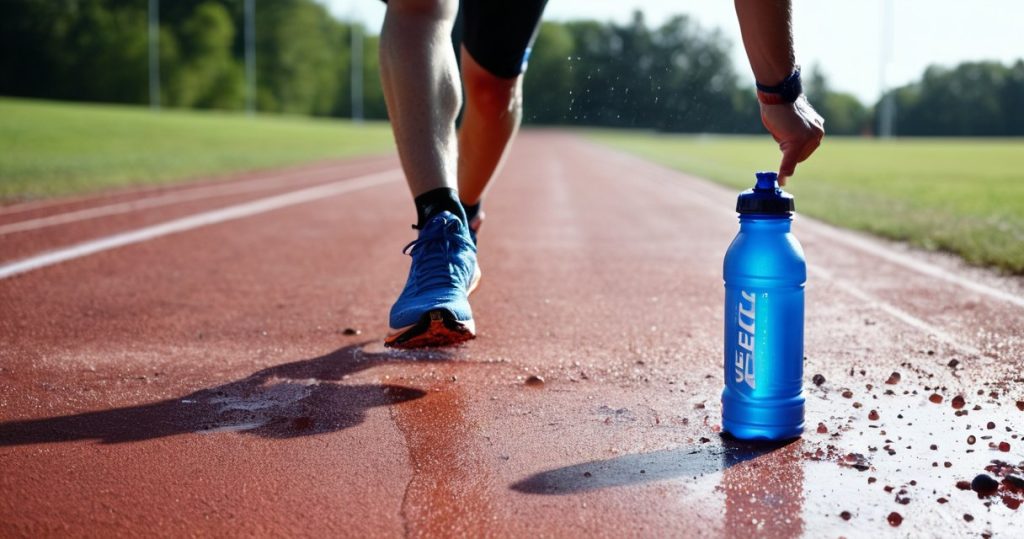
Why Sodium Matters in Sports Drinks
Sodium plays an essential role in fluid retention during physical exertion. When participating in sports, the body loses significant amounts of sodium through sweat, which can disrupt normal bodily functions if not replenished. Sodium in sports drinks is formulated to address this issue by helping the intestines absorb water more efficiently, leading to better overall hydration status. This process ensures that athletes can maintain their fluid levels effectively throughout demanding activities.
Preventing dehydration becomes achievable with the right sodium content, as it allows the body to hold onto ingested fluids rather than excreting them quickly. This is crucial during intense exercise sessions where sweat rates are high and the risk of fluid loss is elevated. Without adequate sodium, dehydration sets in faster, affecting both physical and mental capabilities and increasing the chance of heat-related complications.
Electrolyte balance is maintained thanks to sodium in sports drinks, which works in harmony with other minerals to regulate bodily processes. Proper electrolyte balance supports muscle function and prevents issues like cramping that can sideline an athlete mid-performance. It also aids nerve signaling, keeping the entire system functioning smoothly under stress.
Athlete hydration is greatly improved by these drinks, encouraging continued drinking and reducing the likelihood of becoming underhydrated. The presence of sodium makes the solution more isotonic, matching body fluids for optimal absorption and sustained moisture levels in tissues and blood.
Performance support is the end result of all these mechanisms working together. Athletes experience sustained energy, better endurance, and quicker recovery when sodium levels are properly managed through consumption of specialized beverages during prolonged activities, ultimately helping them reach their training goals safely and effectively.
How Sodium Enhances Hydration and Endurance
Sodium plays an essential role in enhancing hydration and endurance for athletes participating in prolonged activities. The mechanisms by which sodium improves water absorption in the intestines center around active transport processes. Specifically, sodium ions facilitate the movement of water molecules through the intestinal epithelium via osmotic gradients created by sodium pumps. This leads to more efficient fluid absorption, allowing athletes to rehydrate faster after intense sweating.
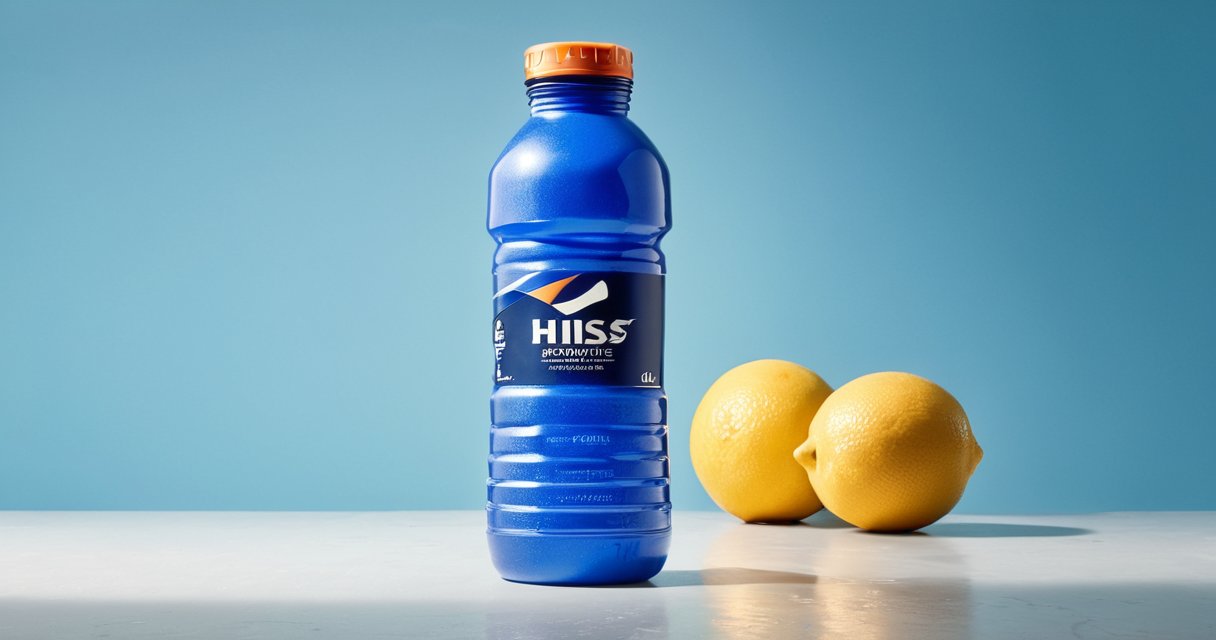
One major challenge during exercise is sweat sodium loss, which can reach up to 1-2 grams per liter of sweat. This loss depletes the body’s sodium stores, causing a decrease in blood volume and subsequent reduction in endurance. By consuming sports drinks containing sodium, athletes can counteract these effects and maintain stable hydration status throughout extended efforts.
The sodium hydration benefits are numerous, including better fluid retention and prevention of hyponatremia. Sodium also works synergistically with other endurance electrolytes to support muscle function and nerve transmission. Without sufficient sodium, the body’s ability to absorb fluids diminishes, leading to quicker fatigue and diminished performance capacity.
In prolonged activities such as long-distance running or cycling, maintaining electrolyte balance is crucial. Sodium helps regulate blood pressure and heart rate, enabling sustained performance. Enhanced fluid absorption ensures that water is not just ingested but effectively utilized by the body for thermoregulation and energy delivery.
Furthermore, sodium stimulates thirst, encouraging continued fluid intake during exercise. This behavioral aspect complements the physiological benefits. Research indicates that optimal sodium levels in drinks can increase fluid absorption by 20-30% compared to sodium-free alternatives, directly supporting longer endurance output.
Athletes should consider their individual sweat rates and sodium concentrations to tailor their intake. This personalized approach maximizes the advantages for endurance and recovery in demanding sports scenarios.
Preventing Exercise-Associated Hyponatremia
During prolonged endurance events such as marathons or ultramarathons, athletes face serious risks from low sodium levels when they overhydrate with plain water while losing electrolytes through sweat. This dilution effect can trigger exercise-associated hyponatremia, leading to low sodium symptoms including nausea, confusion, headaches, and potentially seizures or coma in severe cases. The longer the activity lasts, the greater the chance of dangerous fluid imbalances that compromise both performance and safety.
Effective hyponatremia prevention centers on strategic sodium intake from properly formulated sports drinks. These beverages restore lost sodium, support fluid retention, and help maintain stable blood electrolyte levels throughout extended exertion. By matching sodium replacement to individual sweat rates, athletes can avoid the pitfalls of overhydration and keep their bodies functioning optimally.
Prioritizing sports drink safety means selecting products with balanced electrolyte profiles that prevent electrolyte imbalance without unnecessary additives. Testing these drinks during training builds confidence in their effectiveness, ensuring reliable hydration that protects against hyponatremia while enhancing endurance and overall well-being in long events.
Sodium Levels in Popular Sports Drink Brands
When conducting a thorough sports drink comparison, sodium content brands reveal significant differences that impact hydration strategies for athletes. Leading options vary widely in electrolyte profiles, making it essential to review labels carefully before purchase. This analysis helps consumers identify products suited to their specific needs during training or competition.
Gatorade sodium levels typically register around 160 milligrams per 12-ounce serving, positioning it as a moderate choice for everyday workouts. In contrast, other electrolyte drinks review options like Powerade contain approximately 150 milligrams, while specialized formulas from brands such as Nuun offer lower concentrations around 100 milligrams. These variations allow users to match sodium intake with sweat rates observed in different environments.
A detailed electrolyte drinks review highlights how higher-sodium products excel during prolonged, high-intensity sessions. For instance, certain endurance-focused beverages exceed 200 milligrams per serving, supporting better fluid retention and preventing cramping. Selecting based on activity intensity ensures optimal performance without unnecessary additives or excess calories.
Guidance for choosing appropriate sports drinks emphasizes matching sodium content brands to workout demands. Light activities may require only 100-150 milligrams, whereas intense training calls for 200 milligrams or more. Always consider personal factors like climate and duration to refine selections effectively.
Overall, informed sports drink comparison empowers athletes to optimize hydration through precise sodium content brands evaluation. Regular electrolyte drinks review helps track updates in formulations, ensuring continued alignment with performance goals. Prioritizing Gatorade sodium levels alongside competitors provides a balanced starting point for most users.
Risks and Recommendations for Sodium Intake
Excessive sodium intake from sports drinks can lead to several high sodium risks, such as elevated blood pressure, heart palpitations, and long-term cardiovascular issues. It may also cause dehydration paradoxically if not balanced with adequate water intake, leading to fatigue and impaired performance. Athletes should be cautious about these potential downsides when incorporating electrolyte beverages into their regimen.
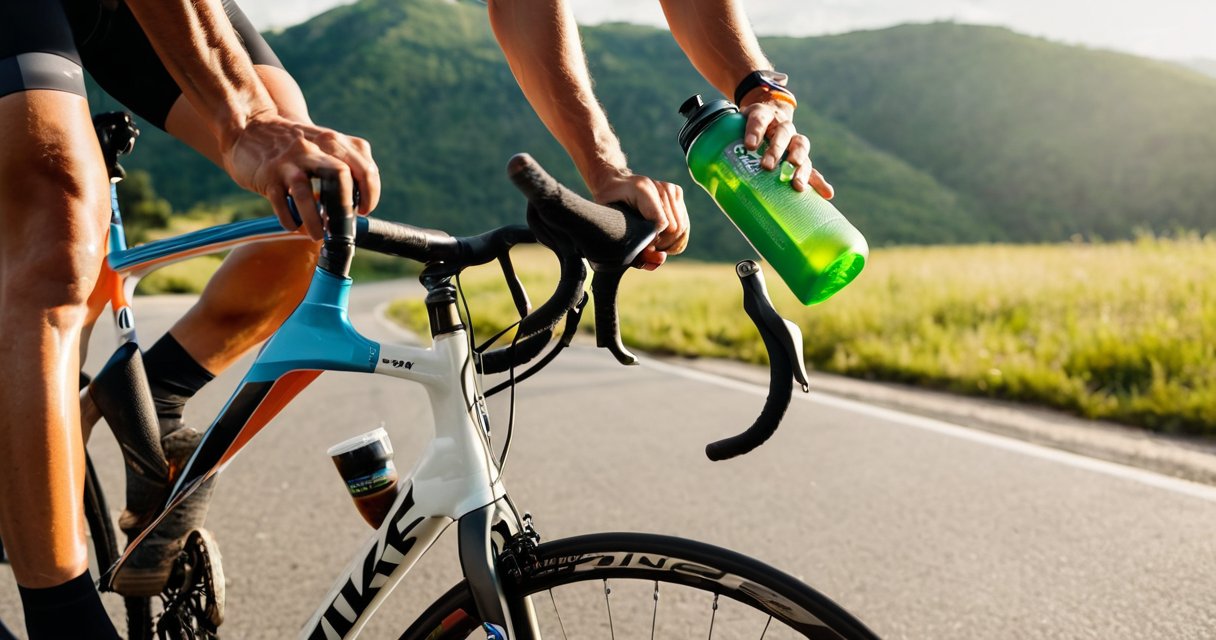
To address these concerns, it’s advisable to follow sports drink guidelines that emphasize moderation and personalization. Select drinks with sodium levels between 200 and 500 milligrams per serving for typical workouts, and reserve higher concentrations for ultra-endurance events. This promotes safe electrolyte consumption and helps maintain optimal health alongside athletic goals.
Recommendations should be tailored to the specific needs of various athletes and the nature of their workouts. For example, cyclists on long rides in hot weather require more sodium replacement due to heavy sweating, whereas yoga practitioners or short-session athletes need minimal amounts. Understanding these differences is crucial for effective hydration strategies.
Athlete nutrition tips often highlight the importance of tracking daily sodium from all sources, including meals, to avoid cumulative excess. Experiment with different products during training to find what works best without causing gastrointestinal distress or other side effects. Professional guidance ensures that intake supports performance while minimizing health risks associated with improper electrolyte management.
Furthermore, regular monitoring of blood pressure and electrolyte levels through medical checkups can provide valuable insights into how sodium affects your body. This proactive approach aligns with best practices for safe electrolyte consumption and overall athlete nutrition tips.
By integrating these practices, individuals can enjoy the advantages of sodium in sports drinks responsibly.

I’ve always been fascinated by how the right nutrients can boost performance and recovery, so I spend my free time testing new sports drinks and supplements. Sharing what I learn helps others make informed choices for their fitness goals.