

Training in hot weather poses unique challenges for athletes, particularly when it comes to maintaining proper hydration. As temperatures rise, so does the risk of dehydration, heat exhaustion, and other heat-related illnesses. Understanding how to effectively hydrate during these conditions is essential for optimal performance and overall health. This article explores the importance of hydration in hot weather training, the role of electrolytes, strategies for staying hydrated, and the benefits of using sports drinks and supplements tailored for hot conditions.
The Importance of Hydration in Hot Weather
When exercising in high temperatures, your body loses fluids rapidly through sweat. This process is your body’s natural mechanism for regulating temperature, but it can lead to significant fluid loss, impairing performance. Even a 2% loss in body weight due to dehydration can negatively impact endurance, strength, and cognitive function. For athletes, this means decreased performance and an increased risk of injury.
Hydration is not just about drinking water; it’s about maintaining a balance of fluids and electrolytes. Electrolytes, such as sodium, potassium, and magnesium, are crucial for muscle function and nerve signaling. When you sweat, you lose these important minerals, which can lead to muscle cramps and fatigue if not adequately replaced. Therefore, understanding how to maintain hydration levels is critical for anyone training in hot weather.
Recognizing Signs of Dehydration
Before you can effectively hydrate, it’s important to recognize the early signs of dehydration. Common symptoms include thirst, dry mouth, fatigue, dizziness, and dark yellow urine. If you experience any of these signs, it’s crucial to take action immediately. Ignoring these symptoms can lead to more severe conditions such as heat exhaustion or heat stroke, both of which require medical attention.
During intense training sessions, especially in the heat, pay attention to how your body feels. If you notice a decrease in performance or any signs of discomfort, it may be a signal that you need to rehydrate. Keeping track of your fluid intake and monitoring your body’s responses can help prevent dehydration.
Hydration Strategies for Hot Weather Training
To stay hydrated while training in hot weather, consider implementing a few effective strategies. First, start your workouts well-hydrated. Aim to drink 16 to 20 ounces of water or a sports drink about 1-2 hours before exercising. This pre-hydration can help ensure your body is ready to handle the heat.
During your workout, aim to consume 7 to 10 ounces of fluid every 10 to 20 minutes. If your workout lasts longer than an hour, especially in extreme heat, consider using a sports drink that contains electrolytes. This can help replenish the minerals lost through sweat and maintain your body’s performance.
The Role of Electrolytes in Hydration
Electrolytes are crucial for hydration, especially when considering the importance of hydration for endurance athletes. As mentioned, when you sweat, you lose not just water but also essential electrolytes. Sodium is particularly crucial, as it helps retain fluid in your body and supports nerve and muscle function. Without adequate sodium intake, you may experience cramping and fatigue, which can severely affect your training.
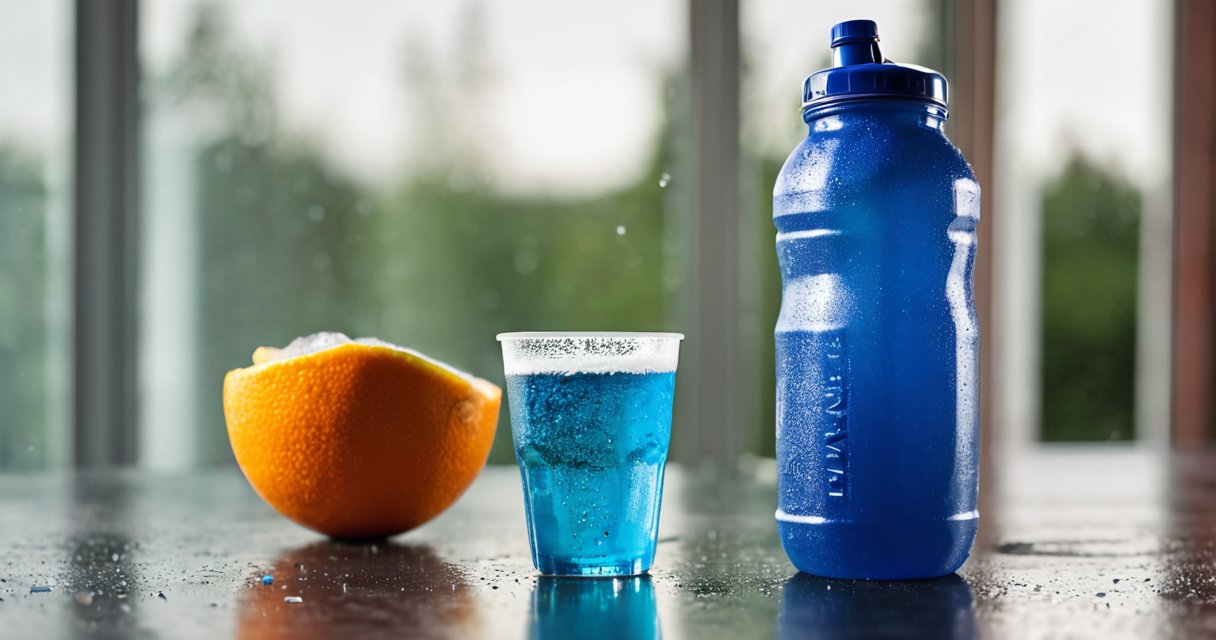
low-calorie sports drinks are designed to replace lost electrolytes without excess calories. They often contain sodium, potassium, and carbohydrates, which can help enhance hydration and improve endurance. For athletes engaging in prolonged or intense exercise, consuming a drink with a balanced electrolyte profile is often more beneficial than plain water.
Choosing the Right Sports Drink
With so many options on the market, selecting the right sports drink can be overwhelming. Look for drinks that contain a balance of electrolytes and carbohydrates. A good rule of thumb is to choose a drink that has about 6-8% carbohydrates. This concentration is effective for maintaining energy levels without causing gastrointestinal distress.
Additionally, consider the sodium content. A drink with 100-200 mg of sodium per 8-ounce serving is typically ideal for replenishing what you lose through sweat. Be cautious of drinks that are too high in sugar, as they can lead to rapid spikes in blood sugar followed by crashes, negatively affecting your performance.
Timing Your Hydration
Hydration isn’t just about what you drink during your workout; understanding how sports drinks support hydration can make a big difference. post-workout hydration is a fundamental part of post-workout nutrition basics and recovery. After your training session, aim to drink at least 16-24 ounces of fluid for every pound of body weight lost during exercise. This will help restore your body’s fluid balance and aid in recovery.
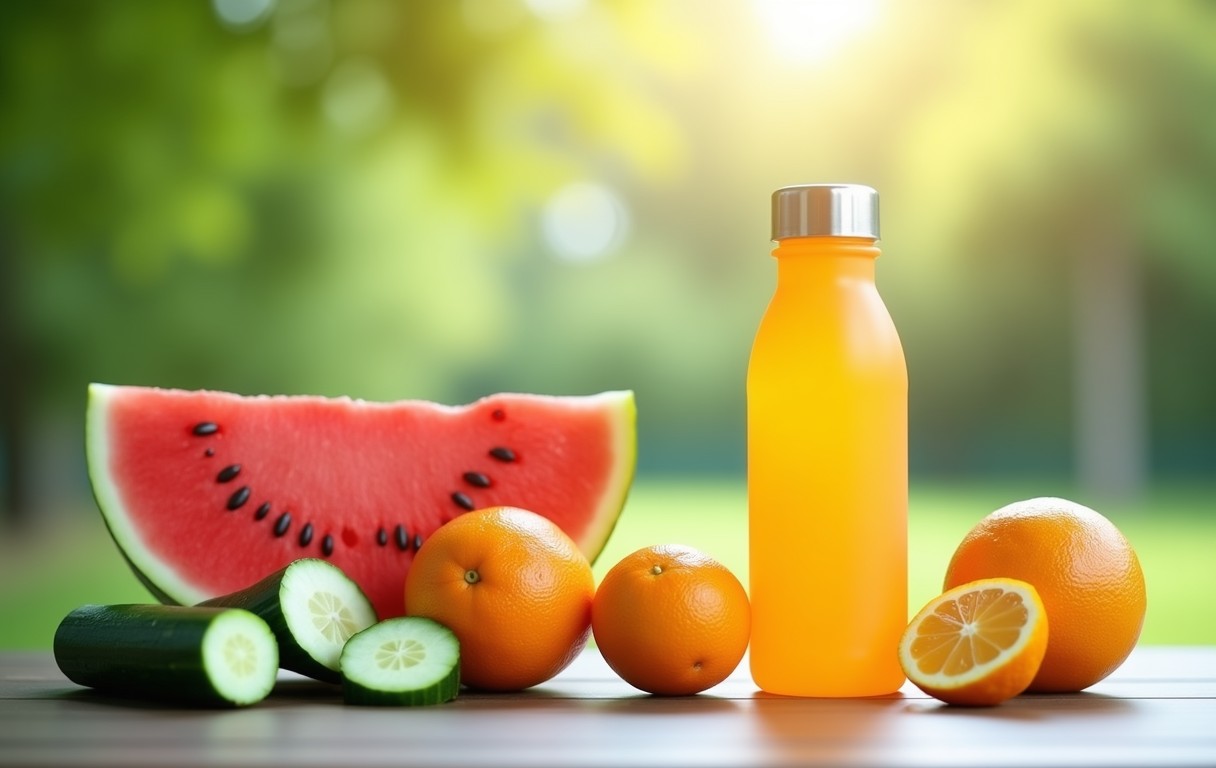
Incorporating hydrating foods can also be beneficial. Fruits and vegetables, such as watermelon, cucumbers, and oranges, contain high water content and can contribute to your overall fluid intake. They also provide essential vitamins and minerals that support recovery.
Supplementing Your Hydration
Beyond sports drinks, hydration strategies with omega-3 supplements can further enhance fluid balance and recovery. Electrolyte tablets or powders can be mixed with water to create a customized hydration solution. These supplements are particularly useful for endurance athletes or those training in extreme heat, as they allow for precise control over electrolyte intake.
Before incorporating any new supplement into your regimen, consult with a healthcare professional or a sports nutritionist. They can help tailor a hydration plan that meets your specific needs and training goals, ensuring you stay healthy and perform at your best.
Conclusion: Staying Safe While Training in Heat
Hydration is a critical component of training in hot weather. By understanding the importance of fluid and electrolyte balance, recognizing the signs of dehydration, and implementing effective hydration strategies, you can enhance your performance and reduce the risk of heat-related illnesses. Whether you prefer sports drinks, electrolyte supplements, or hydrating foods, the key is to stay proactive about your hydration. Remember, your body’s ability to perform at its peak hinges on how well you manage hydration, especially when the temperatures rise.

I’ve always been fascinated by how the right nutrients can boost performance and recovery, so I spend my free time testing new sports drinks and supplements. Sharing what I learn helps others make informed choices for their fitness goals.