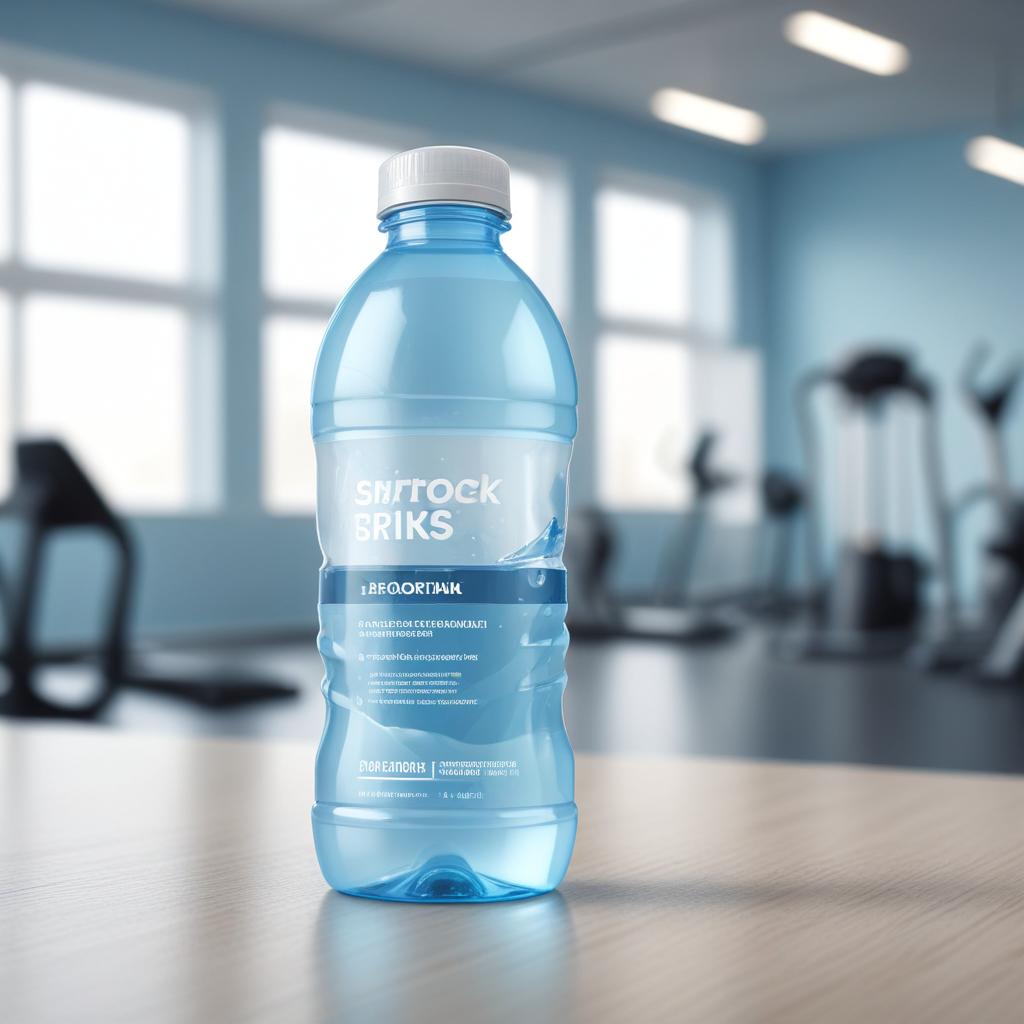
Introduction to Low-Calorie Sports Drinks
Low-calorie sports drinks are specially formulated beverages designed to provide hydration and essential electrolytes while minimizing calorie intake. These drinks typically contain fewer sugars and carbohydrates than traditional sports drinks, making them an ideal choice for athletes and fitness enthusiasts who seek to maintain optimal sports hydration without consuming excess calories. The primary purpose of low-calorie sports drinks is to replenish fluids and electrolytes lost during physical activity while supporting calorie-controlled diets.
The role of sports hydration is crucial for maintaining performance and preventing dehydration, especially during prolonged or intense exercise sessions. Low-calorie sports drinks serve this purpose by delivering electrolytes like sodium, potassium, and magnesium, which help balance the body’s fluids and support muscle function. Unlike regular sports drinks, low-calorie versions ensure that athletes receive these necessary nutrients without the added calories that can contribute to unwanted weight gain or disrupt dietary goals.
These calorie-controlled beverages are beneficial for a wide range of individuals. Endurance athletes, such as runners, cyclists, and swimmers, find them particularly useful for sustaining energy levels without the burden of extra calories. Similarly, individuals engaged in high-intensity interval training or weight training can use low-calorie sports drinks to enhance hydration without interrupting calorie control efforts. Additionally, those managing their weight or following dietary plans for health reasons appreciate these drinks for their ability to support hydration without compromising caloric intake.
In summary, low-calorie sports drinks provide an effective means of maintaining sports hydration by delivering essential electrolytes and fluids while catering to calorie-conscious consumers. Whether for competitive athletes or health-focused individuals, these drinks play a key role in supporting hydration strategies that align with both performance and nutrition goals.
What Defines a Low-Calorie Sports Drink?
The definition of a low-calorie sports drink centers around its nutritional composition and adherence to specific ingredient standards designed to support hydration without excessive calorie intake. Primarily, the low-calorie criteria focus on limiting the amount of sugars and carbohydrates per serving, often capped at around 20 calories or fewer. This threshold helps athletes and active individuals maintain energy levels while avoiding unnecessary calorie overload that can hinder performance or weight management goals.
Sports drink composition plays a crucial role in meeting these low-calorie standards. Typically, such drinks combine electrolytes like sodium and potassium to replace minerals lost through sweat, balanced with minimal carbohydrates from sources such as glucose or fructose in controlled quantities. The nutrition facts label will reflect this careful balance by showing reduced sugar content and lower overall calorie count compared to regular sports drinks. Additionally, many low-calorie sports drinks incorporate alternative sweeteners or natural flavorings to enhance taste without adding calories.
In summary, the low-calorie sports drink is defined by its ability to provide essential hydration and electrolyte replenishment with a modest calorie contribution, focusing on efficient ingredient selection and transparent nutrition facts. This approach supports athletic performance while aligning with dietary preferences that prioritize calorie control.
Benefits of Low-Calorie Options for Athletes
Low-calorie sports drinks offer significant benefits for athletes by effectively supporting hydration while minimizing calorie intake. Proper hydration is crucial for maintaining peak athlete performance, and low-calorie options provide the hydration advantages without the excess sugars and calories typically found in traditional sports drinks. This can be especially beneficial for athletes who need to manage their weight or metabolic health without compromising their fluid and electrolyte balance.
These drinks are formulated to replenish essential electrolytes lost through sweat, such as sodium and potassium, keeping athletes well-hydrated during intensive training or competition. By delivering hydration with fewer calories, athletes can sustain energy levels and endurance without the risk of unnecessary calorie accumulation, which might otherwise impact weight management goals adversely. Consequently, low-calorie sports drinks support a leaner body composition alongside optimal physical performance.
Moreover, the reduced sugar content in these beverages reduces the likelihood of energy spikes and crashes, providing a steadier fuel source for prolonged activities. This stable energy supply enhances mental focus and physical output, crucial factors in competitive sports. In summary, the benefits of low-calorie sports drinks for athletes include superior hydration advantages, effective weight management, and enhanced overall performance.
Popular Ingredients in Low-Calorie Sports Drinks
Low-calorie sports drinks are carefully formulated to provide essential nutrients without excess calories, making them ideal for athletes and fitness enthusiasts looking to maintain energy and hydration. One of the primary components in these drinks is electrolytes. Electrolytes, such as sodium, potassium, calcium, and magnesium, play a vital role in maintaining fluid balance, nerve function, and muscle contraction. They help replenish minerals lost through sweat during exercise, which is crucial for preventing dehydration and muscle cramps.
Sweeteners are another important ingredient in low-calorie sports drinks. Unlike traditional sports drinks that may contain high amounts of sugar, low-calorie versions often use alternative sweeteners like stevia, sucralose, or erythritol. These sweeteners provide the necessary sweetness without increasing the calorie count, allowing consumers to enjoy a pleasant taste without compromising their dietary goals. The choice of sweetener also influences the glycemic index of the drink, which can affect blood sugar levels and energy availability.
Carbohydrates in low-calorie sports drinks are carefully balanced to provide fast-acting energy during physical activity. While the overall carb content is reduced compared to regular sports drinks, these carefully selected carbohydrates help sustain endurance and improve performance by fueling muscles. Ingredients like maltodextrin, dextrose, or glucose syrups are commonly used, as they are easily absorbed and metabolized.
Flavors in low-calorie sports drinks are developed to enhance palatability and encourage regular hydration. Since these drinks include fewer sugars, the flavoring must be well balanced to deliver a refreshing taste without artificial overpowering sweetness. Natural and artificial flavors are often combined to recreate popular fruit and citrus profiles, making the drinks enjoyable to consume throughout prolonged exercise sessions.
Overall, the combination of electrolytes, sweeteners, carbohydrates, and flavors in low-calorie sports drinks is designed to optimize hydration and energy levels while minimizing calorie intake. This thoughtful composition makes them an excellent choice for those who need to stay hydrated and energized during workouts without unnecessary caloric load.
Electrolytes and Their Importance
Electrolytes play a crucial role in maintaining hydration and supporting muscle function during exercise. These essential minerals, including sodium and potassium, are responsible for regulating the balance of fluids in the body, which is vital for rehydration after physical activity. When you sweat during a workout, you lose not just water but also electrolytes, making it important to replenish both to avoid dehydration and muscle cramps.
Sodium is one of the primary electrolytes lost through sweat and is key to retaining fluid in the body. It helps maintain blood pressure and volume, ensuring that cells receive adequate hydration. Potassium works alongside sodium to maintain cellular function and muscle contractions. The right balance of these electrolytes supports nerve signals and muscle responsiveness, reducing the likelihood of fatigue and spasms.
Rehydration with fluids containing electrolytes, rather than plain water alone, is essential for athletes and active individuals. Electrolyte-infused drinks help replace the salts lost during intense exercise, aiding in faster recovery and sustained performance. Maintaining proper electrolyte levels ensures that muscles function efficiently and the body remains well-hydrated, which is fundamental for overall endurance and health.
Sweeteners Used to Reduce Calories
In the quest for lower calorie sports drinks, both artificial sweeteners and natural sweeteners play an essential role. These sweeteners help achieve significant calorie reduction while maintaining an appealing taste profile that consumers expect. Artificial sweeteners such as sucralose, aspartame, and acesulfame potassium are popular choices due to their intense sweetness, which means only a small amount is needed to provide the same level of sweetness as sugar without adding calories. These compounds are stable under various conditions, making them ideal for sports drink formulations.
On the natural side, sweeteners like stevia and monk fruit extract have gained popularity. Derived from plants, these natural options not only reduce calorie intake but also offer a more “clean label” appeal, which many consumers prefer. Stevia, for example, is many times sweeter than sugar and contains zero calories, helping sports drink manufacturers craft flavor profiles that closely mimic sugar-sweetened beverages without the added calories. Monk fruit extract is appreciated for its mild sweetness and minimal aftertaste.
Balancing calorie reduction and taste profile is critical because consumers expect sports drinks to provide refreshing, pleasant flavors. Combining both artificial and natural sweeteners can sometimes provide a more balanced and rounded sweetness, minimizing the bitter or chemical aftertastes that certain sweeteners may have individually. Ultimately, the strategic use of these sweeteners supports the development of low-calorie sports drinks that satisfy both health-conscious consumers and flavor preferences.
Choosing and Using Low-Calorie Sports Drinks Effectively
When it comes to choosing sports drinks that align with your hydration and athletic needs, it’s important to focus on drinks that balance low-calorie content with effective electrolyte replenishment. Low-calorie sports drinks are designed to provide necessary hydration without the excess sugars and calories found in traditional options, making them ideal for athletes and fitness enthusiasts who want to maintain energy and electrolyte levels without added calories.
Start by evaluating your specific athletic needs. Different activities require varying hydration strategies. For endurance sports or prolonged training sessions, look for low-calorie drinks fortified with essential electrolytes like sodium, potassium, and magnesium to replace what your body loses through sweat. If your workout is shorter or less intense, a simple low-calorie beverage with moderate electrolyte levels may be sufficient to keep you hydrated without overloading your system.
When choosing sports drinks, read the labels carefully to ensure the product meets your hydration needs without excessive artificial ingredients or sugars. Opt for beverages with natural flavors and those that use low- or no-calorie sweeteners if you want to avoid unnecessary carbohydrates. In addition, consider the drink’s osmolarity, or how quickly it can be absorbed. Low-calorie sports drinks with optimal osmolarity help improve fluid retention and absorption, promoting faster hydration.
Usage tips are key to maximizing the benefits of low-calorie sports drinks. Drink them before, during, and after exercise depending on the intensity and duration of your activity. Pre-exercise hydration ensures you start your workout with ample fluid levels. During exercise, consume small amounts regularly to maintain hydration and electrolyte balance. Post-exercise intake aids recovery by replenishing lost fluids and minerals.
Finally, experiment with various products to find what works best for your body. Monitor your hydration levels, energy, and performance to adjust your intake strategy accordingly. Combining proper hydration strategies with the right choice of low-calorie sports drinks can help you stay energized, avoid dehydration, and perform at your peak.
When to Opt for Low-Calorie Sports Drinks
Low-calorie sports drinks are especially suitable during exercise sessions where hydration needs are high but calorie intake should be moderated. These situations often include light to moderate intensity workouts, such as jogging, cycling, or yoga, where the body requires fluid and electrolytes replacement without excess sugars or calories.
When evaluating usage timing, consider workouts lasting less than an hour or those that do not involve extreme endurance demands. In such cases, the calorie considerations shift toward maintaining energy balance without unnecessary calorie consumption that can come from traditional high-sugar sports drinks.
Additionally, individuals with specific calorie control goals, such as weight management or those following a low-calorie diet, may benefit from low-calorie sports drinks. These beverages provide adequate hydration and electrolyte replenishment while supporting calorie restrictions.
In contrast, high-intensity or prolonged exercise sessions that exceed an hour may require higher carbohydrate intake, making low-calorie options less ideal. However, for everyday training, general fitness activities, or sports with moderate intensity, low-calorie sports drinks effectively meet hydration needs and calorie considerations without compromising performance.
Potential Drawbacks and Considerations
While low-calorie sports drinks offer benefits such as reduced sugar intake and fewer calories, relying exclusively on them can present certain side effects and concerns. One major consideration is the potential for electrolyte loss. These beverages often contain lower amounts of essential electrolytes like sodium, potassium, and magnesium compared to traditional sports drinks, which can impair hydration and muscle function during intense or prolonged physical activity.
Another important factor is nutritional balance. Low-calorie sports drinks might lack vital nutrients and carbohydrates needed to sustain energy levels. Athletes or active individuals depending only on these drinks risk inadequate fuel for optimal performance and recovery, leading to fatigue or diminished endurance.
Individual differences also play a critical role in how a person responds to low-calorie sports drinks. Some may experience gastrointestinal discomfort or other side effects when consuming artificial sweeteners or other additives commonly found in these products.
Therefore, it’s essential to consider these potential drawbacks before making low-calorie sports drinks the exclusive hydration choice. Balancing them with a well-rounded diet and, when necessary, supplementing with traditional sports drinks or natural electrolyte sources can help maintain overall health and performance.

I’ve always been fascinated by how the right nutrients can boost performance and recovery, so I spend my free time testing new sports drinks and supplements. Sharing what I learn helps others make informed choices for their fitness goals.