The Thirst Myth in Sports Hydration
The notion that athletes should wait for thirst to guide their drinking habits is one of the most pervasive performance myths in sports. Thirst signals often arrive too late, after the body has already begun to experience the negative effects of fluid loss. This delay can lead to athlete dehydration, which significantly impairs physical and mental performance during exercise.
When athletes ignore proactive hydration, they risk a cascade of issues including elevated heart rate, reduced blood flow to muscles, and decreased endurance capacity. Studies have shown that even mild dehydration of 1-2% body mass can cause noticeable declines in athletic output, including slower reaction times and reduced power.
A landmark study from the American College of Sports Medicine highlighted that participants who drank fluids on a schedule rather than in response to thirst maintained better endurance levels over long-distance events. Their findings underscored the importance of proper hydration timing to prevent performance drops before they occur.
Furthermore, research in the European Journal of Applied Physiology revealed that proactive fluid intake not only boosts endurance but also enhances recovery outcomes. Athletes who hydrated before feeling thirsty showed lower markers of muscle damage and faster return to baseline performance metrics after intense sessions.
Hydration timing plays a critical role in mitigating the risks associated with relying on thirst signals alone. By establishing a routine of fluid consumption every 15-20 minutes during activity, athletes can avoid the pitfalls of dehydration and sustain higher levels of performance throughout their routines and competitions.
These insights challenge the outdated performance myths and emphasize evidence-based approaches to sports hydration for optimal results across all levels of competition.
Electrolyte Overload Myths Explained
The common belief that athletes require excessive electrolytes during exercise is rooted in several hydration myths that can lead to unnecessary supplementation. Many assume that sweating profusely means an immediate need for high doses of minerals to restore electrolyte balance. However, sports nutrition research indicates that the body efficiently manages these levels through dietary sources for most activities.
Sports drinks are frequently promoted as vital for maintaining performance, but they can contribute to overconsumption of sodium. Safe sodium intake levels are generally 300 to 600 milligrams per hour during extended efforts, not the higher amounts often suggested by marketing. Exceeding these recommendations may disrupt rather than support electrolyte balance.
Studies from reputable sources like the International Society of Sports Nutrition highlight that individual sweat composition varies widely. What works for one person may cause issues for another, emphasizing the importance of avoiding blanket approaches to electrolyte consumption. Recreational athletes rarely need the elevated doses found in many commercial products.
Furthermore, focusing on overall diet rather than supplemental products ensures adequate nutrition without risking overload. Evidence shows that personalized strategies based on sweat testing outperform generic advice. This evidence-based perspective helps athletes make informed decisions and steer clear of prevalent hydration myths surrounding electrolyte needs in sports.
Sports Drinks vs Water for Athletes
For athletes seeking optimal hydration, the debate between sports beverages and plain water hinges on activity intensity and duration. Sports beverages deliver key electrolytes and carbohydrates that support sustained energy during demanding sessions, making them valuable performance drinks for serious competitors.
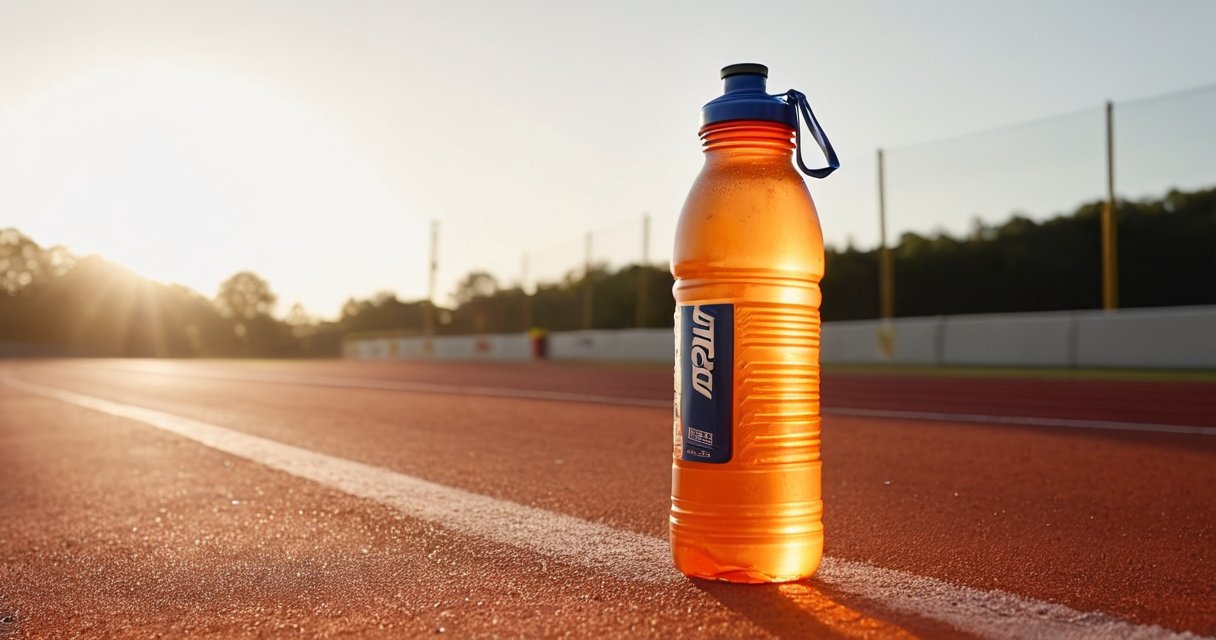
In high-intensity activities lasting more than 60 minutes, performance drinks outperform plain water by replacing lost sodium, potassium, and magnesium while supplying quick fuel to prevent fatigue and muscle cramps. This advantage becomes clear in endurance sports where sweat losses are significant and plain water alone cannot maintain electrolyte balance effectively.
For lighter workouts or shorter durations under 45 minutes, plain water remains the best choice among hydration choices, offering zero calories and sufficient fluid replacement without extra ingredients that may cause unnecessary calorie intake or digestive discomfort.
Yet sports beverages carry drawbacks such as added sugars that can lead to gastrointestinal distress if overused, while plain water avoids these issues but may fall short in ultra-endurance scenarios where rapid electrolyte depletion occurs. Athletes should assess personal sweat rates to refine their approach.
Optimal athlete hydration strategies involve selecting performance drinks for competitive events exceeding one hour at high effort and relying on plain water for routine training or low-impact exercises. This balanced method ensures efficient recovery and performance without overcomplicating daily routines.
Ultimately, understanding when to use sports beverages versus plain water empowers athletes to make informed hydration choices that match their specific training demands and goals.
Pre and Post Workout Hydration Timing
Many athletes mistakenly believe that avoiding fluids right before training prevents cramps or bathroom breaks, yet this assumption ignores how the body absorbs liquids. Establishing a consistent hydration schedule well in advance supports blood flow and thermoregulation without causing discomfort during sessions.
Evidence-based guidance recommends consuming pre workout fluids two to three hours prior to exercise, allowing time for absorption and excess elimination. Athletes should aim for 16 to 20 ounces of water or an electrolyte beverage during this window, then add another 8 to 10 ounces about 15 minutes before starting. This approach maintains plasma volume and delays fatigue, countering the myth that late intake harms performance.
After training, recovery hydration becomes equally vital because thirst alone often fails to signal full repletion needs. Weighing before and after workouts helps determine exact losses, with a general target of 20 to 24 ounces of fluid per pound lost. Including sodium-rich drinks accelerates restoration of electrolyte balance and speeds muscle repair.
Incorporating these evidence-based habits into everyday athlete routines leads to steadier energy, fewer injuries, and improved adaptation over time. Rather than reacting only when dehydrated, proactive timing around sessions maximizes training quality and long-term health outcomes for competitive and recreational athletes alike.
Overhydration and Hyponatremia Risks
In the realm of endurance sports, overhydration emerges as a critical concern that can trigger hyponatremia, a potentially fatal drop in blood sodium concentration. Athletes participating in prolonged activities like ironman triathlons often drink excessively in an attempt to stay ahead of dehydration, only to face fluid overload instead. This imbalance disrupts cellular function and can lead to swelling in vital organs, compromising performance and safety during competition.
Recognizing the dangers of excessive water intake is essential for all competitors. Symptoms may start subtly with headaches and progress to more alarming issues such as disorientation, nausea, or respiratory distress. Documented cases in marathons highlight how this condition affects even seasoned runners who ignore bodily signals and continue consuming plain water without sodium replenishment over many hours.
Hyponatremia prevention relies on smart hydration practices tailored to individual needs. Regular monitoring of weight changes before and after training helps determine exact fluid loss, guiding consumption rates accurately. Using beverages fortified with electrolytes supports the maintenance of proper sodium levels without tipping into overload, allowing athletes to sustain energy across extended efforts.
Hydration safety protocols emphasize drinking to thirst rather than on a fixed schedule. In endurance sports, this means adjusting intake based on weather, intensity, and personal physiology to avoid unnecessary risks. Avoiding fluid overload protects against complications while promoting sustained performance throughout long events.
Ultimately, education on these topics empowers athletes to compete safely. Testing strategies during training sessions ensures they align with body responses and reduces health hazards tied to improper fluid management in competition settings.

I’ve always been fascinated by how the right nutrients can boost performance and recovery, so I spend my free time testing new sports drinks and supplements. Sharing what I learn helps others make informed choices for their fitness goals.