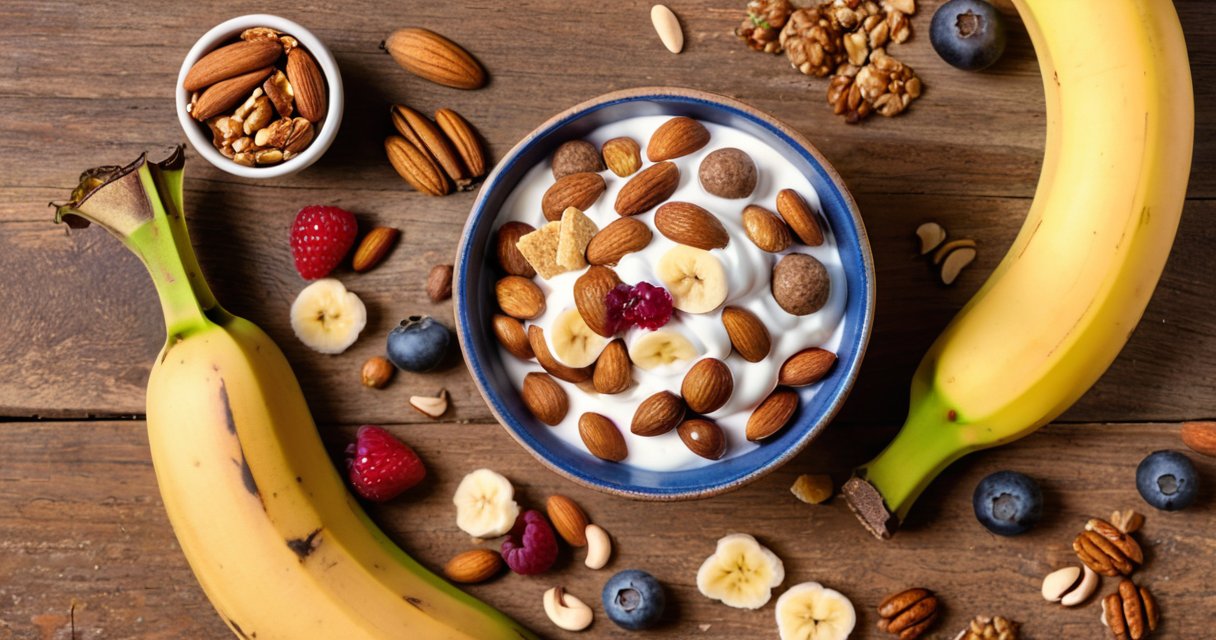
Benefits of Healthy Snacking for Athletes
Strategic snacking forms a key pillar of athlete nutrition, delivering targeted nutrients between main meals to optimize physical output. Athletes who plan these mini-meals experience steadier energy maintenance, which helps sustain intensity during prolonged training blocks and back-to-back competitions across endurance, strength, and team sports.
Choosing nutrient-dense performance snacks every three to four hours prevents the energy dips that trigger early fatigue. Balanced combinations of complex carbohydrates and lean protein keep blood glucose stable, allowing runners, cyclists, and soccer players to maintain focus and power output without the mid-session slump that often sidelines less-prepared competitors.
Beyond immediate fuel, smart snacking directly supports muscle recovery. Post-exercise snacks supplying both protein and carbohydrates accelerate glycogen replenishment and initiate tissue repair, shortening recovery windows between sessions. Studies on collegiate athletes show that those consuming recovery-focused snacks within thirty minutes of training exhibit lower markers of muscle damage and faster return to peak performance.
Evidence-based guidelines recommend snacks such as Greek yogurt with fruit, whole-grain toast with nut butter, or cottage cheese with berries. These options provide the precise macronutrient ratios needed for energy maintenance while supplying amino acids essential for muscle recovery. Athletes in high-impact sports like basketball and CrossFit particularly benefit from this approach, reporting fewer overuse injuries when consistent snacking habits are followed.
Overall, integrating performance snacks into daily routines equips athletes with reliable energy, reduced fatigue risk, and accelerated muscle recovery, translating into measurable gains in training quality and competitive results across every sport.
Pre-Workout Snack Ideas
Choosing the right pre workout snacks can make a significant difference in performance and comfort during training. Athletes need energy boosting foods that deliver quick fuel without causing digestive discomfort, especially when consumed 30-60 minutes before activity. Focusing on easily digestible carbohydrate snacks helps optimize athlete fueling while keeping the stomach light.
A classic choice is a ripe banana drizzled with a teaspoon of honey. This simple combination provides fast-acting carbohydrates that raise energy levels quickly. Another effective option is a slice of white toast topped with a thin layer of jam, offering readily available carbs that digest smoothly within the recommended timeframe. Low-fat Greek yogurt paired with a few fresh berries also works well, supplying both carbohydrates and a small amount of protein without heaviness.
Rice cakes spread with a minimal amount of almond butter deliver clean carbohydrate snacks that athletes appreciate for their portability and rapid absorption. Pretzels or plain crackers serve as convenient energy boosting foods that require little digestion time. Unsweetened applesauce pouches are another favorite, providing natural sugars in liquid form that feel gentle on the stomach during the critical 30-60 minute window.
A small bowl of quick-cooking oatmeal made with water and topped with sliced fruit rounds out the list of practical pre workout snacks. Each of these selections emphasizes carbohydrate snacks that support athlete fueling goals while minimizing the risk of gastrointestinal issues. Experimenting with portion sizes helps individuals determine the ideal amount for their body and sport.
Overall, prioritizing simple, low-fiber carbohydrate snacks 30-60 minutes before exercise ensures sustained energy without discomfort. These energy boosting foods integrate seamlessly into any training routine, helping athletes maintain focus and power from the first minute of activity.
High-Carb Options for Quick Energy
High carb snacks are essential for athletes seeking quick energy before workouts. Banana recipes like slicing one large banana and drizzling it with 1.5 tablespoons of honey provide roughly 35 grams of carbohydrates along with potassium for electrolyte balance. This combination is effective for pre-exercise fueling as it offers immediate glucose to muscles, enhancing endurance and reducing fatigue onset.
Oatmeal snacks, including chewy oatmeal bars baked with oats, bananas, and nuts, offer a balanced option. A single serving of one bar (55 grams) contains about 28 grams of carbs that fuel prolonged activity. In sports nutrition, these snacks are valued for their digestibility and ability to maintain steady energy levels without spikes or crashes.
To optimize performance, athletes should focus on timing these high carb snacks appropriately, typically 45 minutes prior to exercise. Experimenting with different banana recipes and oatmeal snacks allows for variety while meeting nutritional needs. Proper portion control ensures the body receives adequate fuel without gastrointestinal issues, supporting peak athletic output in sports nutrition strategies. Hydration remains key when using these options for maximum benefit.
Post-Workout Recovery Snacks
After intense training sessions, focusing on effective post workout snacks becomes essential for optimal protein recovery and overall performance. These snacks should combine high-quality protein with complex carbohydrates to replenish glycogen stores quickly while supporting muscle repair. Athletes who prioritize balanced refueling ideas notice faster recovery times and reduced soreness, making muscle repair foods a key part of any training routine.
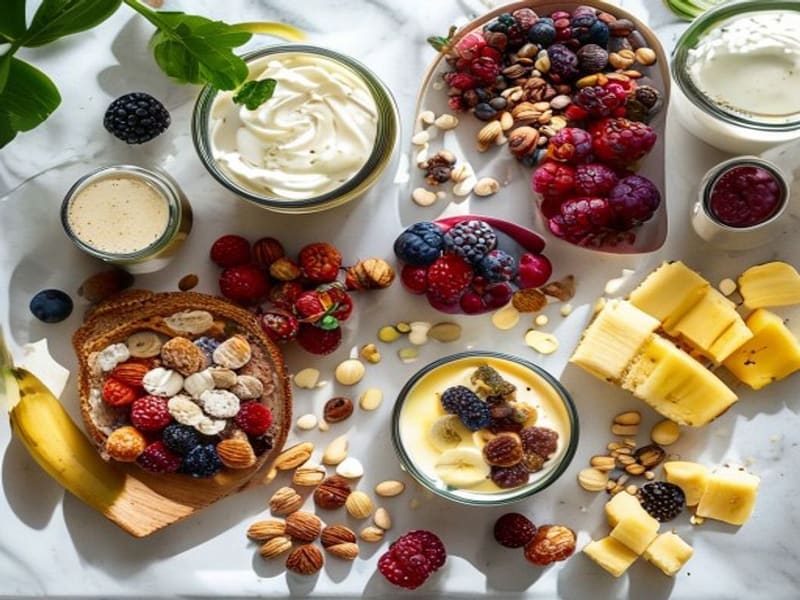
One simple option is Greek yogurt topped with fresh berries, a drizzle of honey, and a handful of almonds. This combination delivers fast-digesting carbs alongside 20 grams of protein to kickstart recovery. Another favorite involves spreading natural peanut butter on whole-grain toast with sliced banana, providing sustained energy and amino acids that aid muscle repair foods during the critical post-exercise window.
For a refreshing choice, blend a protein shake using chocolate milk, a banana, and rolled oats. This refueling idea supplies both carbs and protein in liquid form, which absorbs rapidly after workouts. Cottage cheese mixed with pineapple chunks and a sprinkle of chia seeds offers another practical post workout snacks solution, delivering casein protein for prolonged muscle support.
Turkey slices wrapped around cheese sticks with whole-grain crackers create a savory protein recovery meal that travels well to the gym. Adding a side of apple slices boosts the carb content for glycogen replenishment. Finally, overnight oats prepared with milk, protein powder, and peanut butter make an easy grab-and-go option that combines all the necessary nutrients for muscle repair foods and recovery.
Incorporating these post workout snacks consistently helps athletes maintain energy levels and build strength over time. Experiment with portion sizes based on training intensity to maximize the benefits of each refueling idea.
Portable Snacks for Busy Athletes
For athletes juggling intense training sessions and competitions, having reliable on the go snacks is essential to maintain energy levels without disrupting a packed schedule. These options focus on non-perishable items that require minimal preparation, making them ideal travel friendly foods for road trips to events or quick bites between workouts. Stocking up on healthy grab and go choices ensures convenient nutrition is always within reach, helping prevent energy crashes during demanding days.
Trail mix combining nuts, seeds, and dried fruits stands out as a top choice because it delivers sustained energy from healthy fats and natural sugars while staying fresh for weeks in an airtight container. Pack individual portions in resealable bags to avoid overeating and keep them in your gym bag or car for easy access. Beef or turkey jerky offers a protein-packed alternative that requires no refrigeration, providing muscle support on the move. Pair it with whole-grain crackers stored in a cool, dry spot to extend shelf life and maintain crispness during long travel days.
Granola bars or homemade energy bites made with oats, nut butter, and honey serve as another staple, offering balanced carbs and protein without spoilage concerns. Choose varieties without chocolate coatings to withstand warmer temperatures common in training facilities or competition venues. Roasted chickpeas or edamame snacks add a crunchy, savory element rich in fiber and plant-based protein, fitting perfectly into non-perishable categories when sealed properly. For variety, include single-serve packets of nut butter that pair well with apples or bananas, though the latter should be consumed quickly to avoid bruising.
Storage tips play a key role in preserving these snacks for athletes on tight schedules. Use insulated pouches or coolers with ice packs only for items needing slight chilling, while most non-perishables thrive in room-temperature compartments away from direct sunlight. Label containers with dates to rotate stock efficiently and prevent waste. This approach supports consistent convenient nutrition, allowing focus on performance rather than meal planning.
Overall, integrating these on the go snacks into daily routines promotes better recovery and sustained focus, turning potential downtime into opportunities for fueling. Travel friendly foods like these reduce reliance on vending machines or fast food during competitions, ensuring athletes stay nourished wherever their schedules take them. By prioritizing healthy grab and go selections with thoughtful storage, busy competitors can maintain optimal health and energy without extra hassle.
Nutrient-Dense Ingredients to Prioritize
When building healthy snack ideas for athletes, focusing on nutrient rich foods ensures sustained energy and optimal recovery. Nuts stand out as an excellent choice, delivering healthy fats for athletes along with protein and magnesium that support muscle function and reduce inflammation. A simple handful of almonds or walnuts can serve as a portable option between training sessions, or they can be mixed into trail mixes for added crunch and satiety.
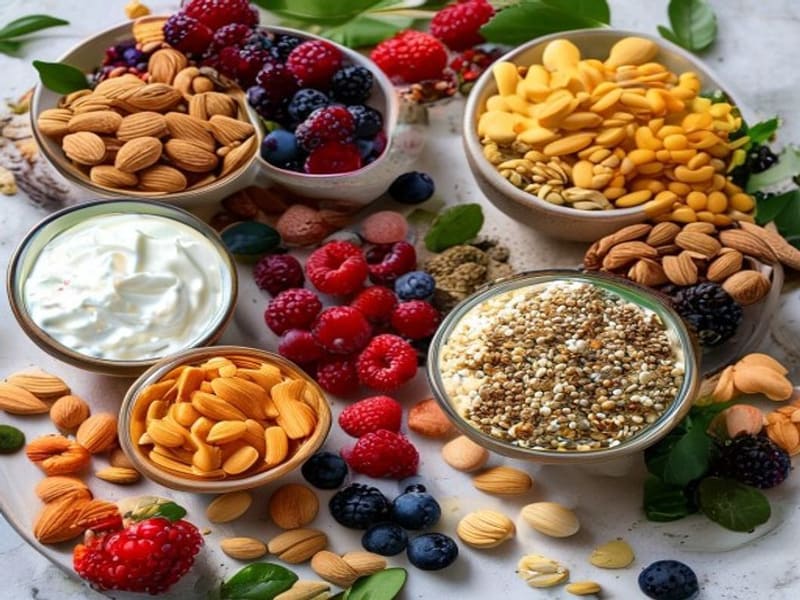
Seeds such as chia, flax, and pumpkin offer another layer of nutrition, packed with omega-3 fatty acids, fiber, and antioxidants. These superfood snacks help maintain balanced snacking by stabilizing blood sugar levels throughout the day. Sprinkle them over Greek yogurt or blend them into smoothies to create satisfying combinations that fuel workouts without weighing you down.
Greek yogurt provides a creamy, high-protein base that promotes muscle repair and gut health through its probiotics. Athletes can incorporate it into daily routines by pairing it with fresh berries for natural sweetness and vitamin C, creating a quick snack that supports immune function and reduces oxidative stress from intense exercise.
Berries like blueberries, strawberries, and raspberries bring vibrant flavor along with powerful antioxidants that combat exercise-induced damage. Their low-calorie profile makes them ideal for balanced snacking, whether eaten fresh, frozen in yogurt parfaits, or added to overnight oats with nuts and seeds for a complete nutrient profile.
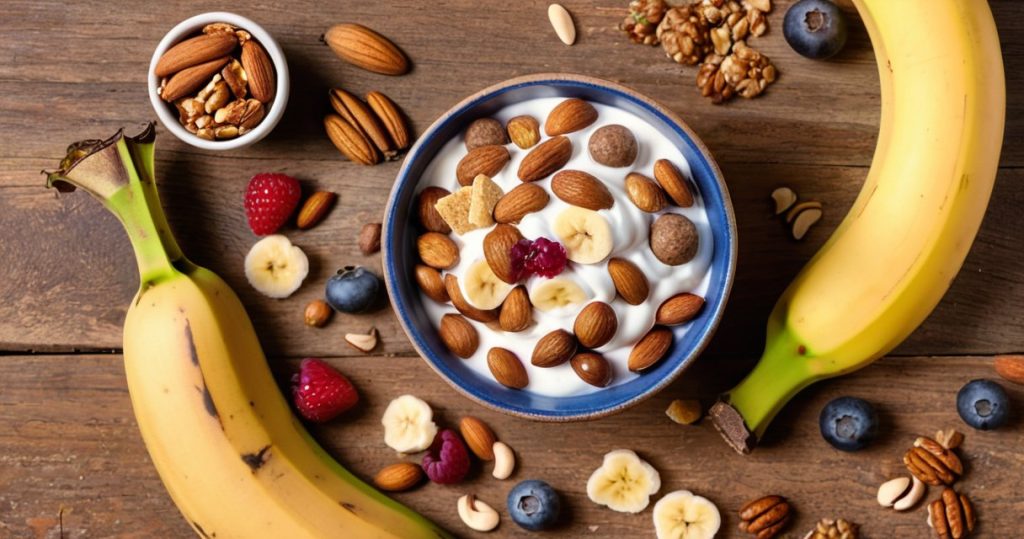
Combining these ingredients creates versatile superfood snacks that emphasize healthy fats for athletes while promoting nutrient rich foods overall. For example, a Greek yogurt bowl topped with mixed berries, a sprinkle of seeds, and a few chopped nuts delivers protein, fiber, and essential micronutrients in one convenient serving. This approach to balanced snacking helps athletes maintain energy, enhance recovery, and meet daily nutritional goals without excess calories.
Incorporating nuts, seeds, Greek yogurt, and berries regularly supports long-term performance by providing sustained fuel and key vitamins. Experiment with different pairings to keep snacks interesting while prioritizing whole, nutrient-dense options that align with athletic demands.

I’ve always been fascinated by how the right nutrients can boost performance and recovery, so I spend my free time testing new sports drinks and supplements. Sharing what I learn helps others make informed choices for their fitness goals.