

When athletes first consider adding collagen to their routine, the immediate question is how much bovine collagen per day fits their training demands. The sports nutrition landscape often overwhelms with conflicting dosing charts, but the reality rests on activity type, recovery goals, and product form. Unlike generic wellness advice, athletes need precision because their joints, tendons, and muscles endure repeated stress that standard diets may not fully repair. Understanding the right amount starts with recognizing that collagen is not a magic performance enhancer, but a structural support tool that works best when paired with consistent training and nutrition. For those training hard, the goal is to bridge the gap between dietary intake and the increased demand placed on connective tissues. This guide walks through the practical steps to determine your personal dose, avoid common pitfalls, and integrate collagen into a sports-focused lifestyle.
Step 1: Assess Your Training Load and Joint Health
The first step in determining how much bovine collagen per day is right for you involves a honest audit of your weekly training load. Endurance runners, for instance, log hundreds of miles where impact forces repeatedly strike the knees and ankles, while strength athletes subject their joints to heavy loading during squats and deadlifts. If you experience nagging joint stiffness that lingers after workouts, or if your training volume has recently increased, these are clear signals that your current diet may be lacking in the specific amino acids collagen provides. A baseline assessment should include tracking pain levels, range of motion, and how quickly you recover between sessions. This self-data becomes the foundation for deciding whether a maintenance dose or a higher therapeutic amount is needed to support recovery.
For the athlete training five to six days a week with moderate to high intensity, the general recommendation often leans toward the higher end of typical ranges, typically around 15 grams daily. This amount provides a substantial pool of glycine, proline, and hydroxyproline, the building blocks required for tendon and ligament repair. However, if your sport is more skill-based or lower impact, such as swimming or cycling, a lower dose of 10 grams might suffice to maintain tissue health without unnecessary caloric surplus. The key is to match the dose to the stress; overtraining without adequate structural support can lead to overuse injuries, and collagen serves as that internal brace. Always consider your age as well, as collagen production naturally declines in the mid-twenties, making supplementation more critical for older athletes.
Step 2: Choose the Right Bovine Collagen Type and Format
Not all collagen supplements are created equal, and the type you select significantly influences how much bovine collagen per day you should actually consume. Bovine collagen is rich in Type I and Type III collagen, which are the primary types found in skin, bone, and muscle, but it is particularly effective for joint and tendon support compared to marine sources. When scanning product labels, look for “hydrolyzed” or “peptides” on the ingredient list; this form has been broken down into smaller chains, making it easier for the gut to absorb and faster for the bloodstream to deliver amino acids to target tissues. A powder format is often preferred by athletes because it can be seamlessly mixed into post-workout shakes, oatmeal, or even coffee, ensuring consistency of intake.
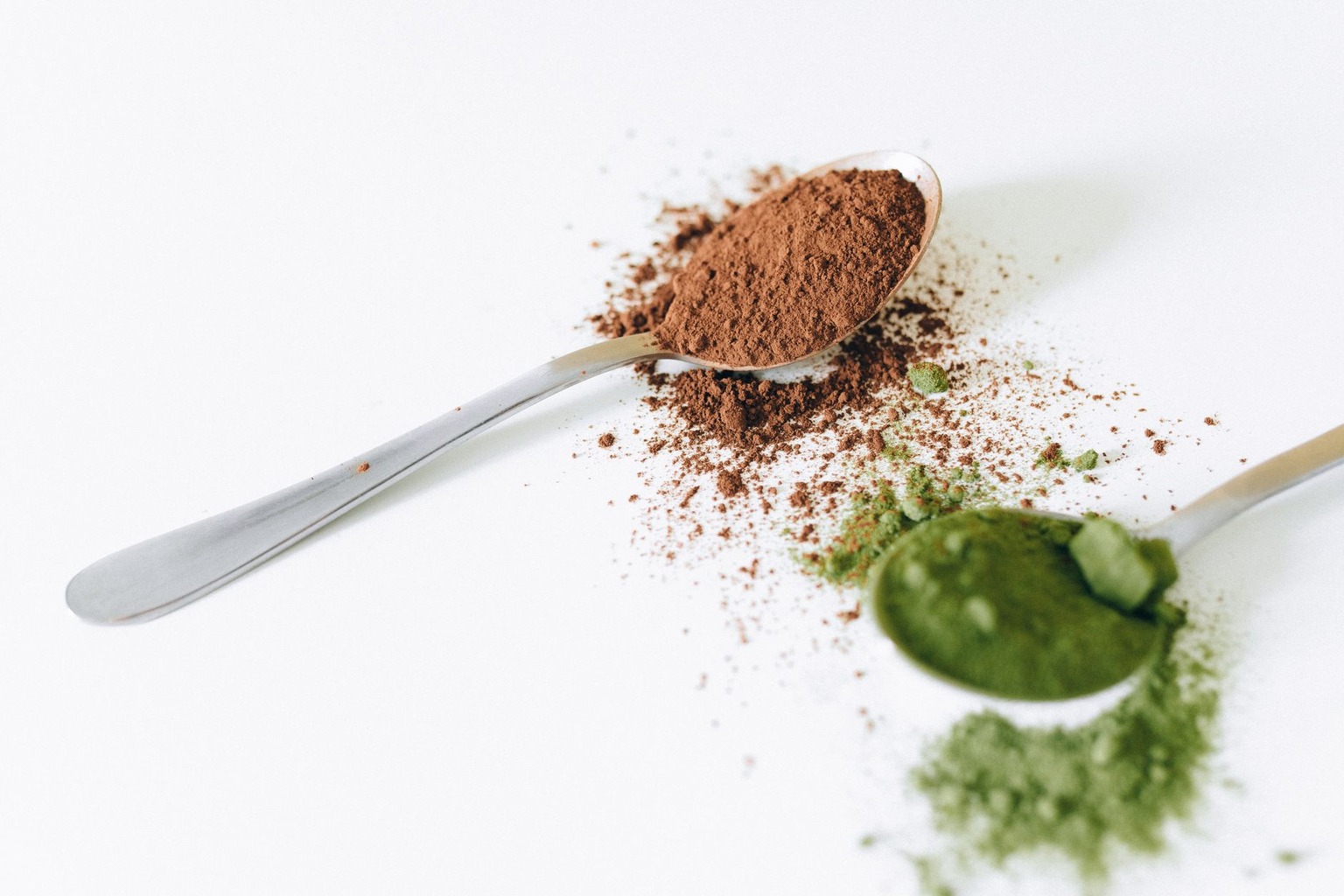
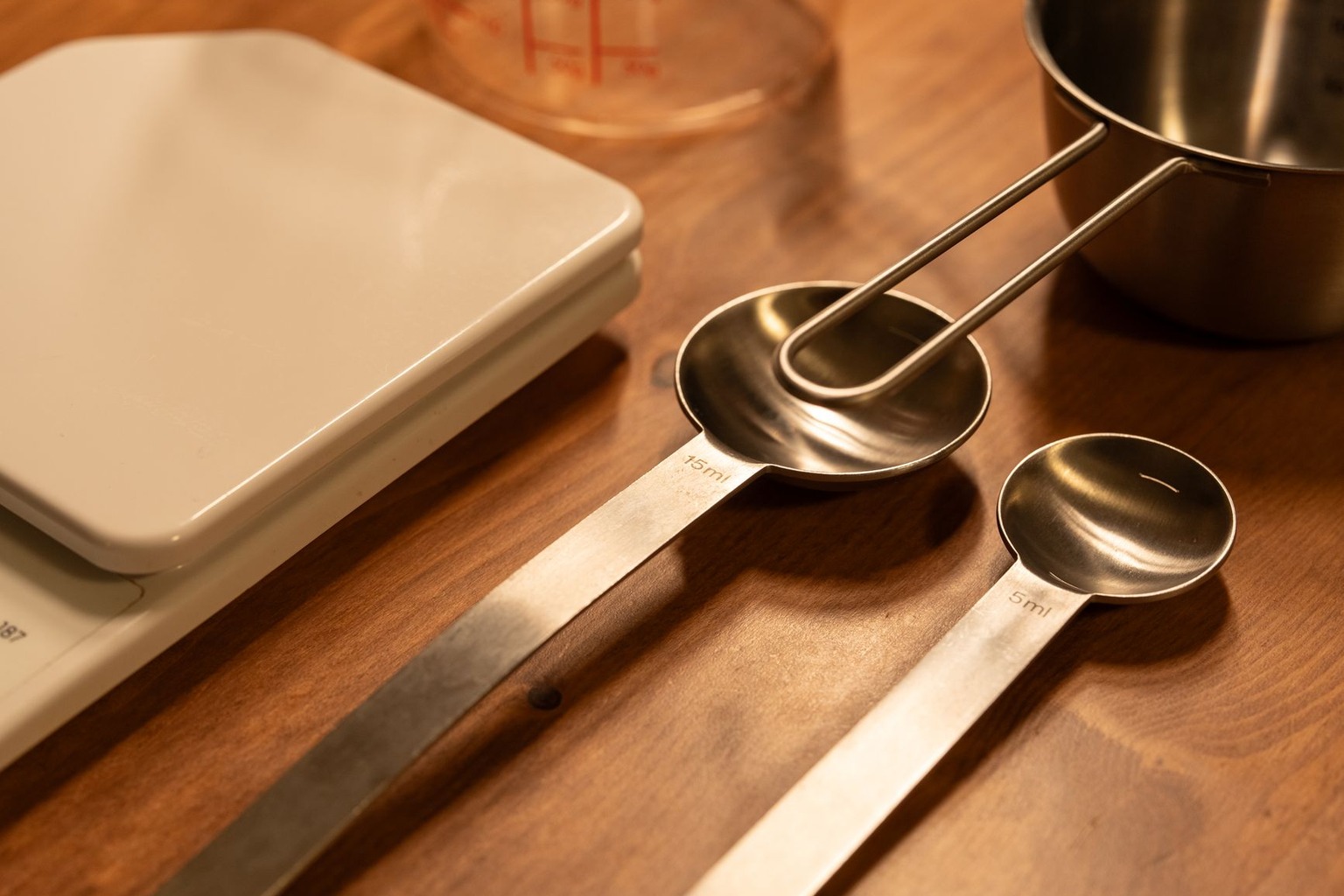
The format also dictates the practical dosing scoop. A standard scoop of hydrolyzed bovine collagen powder typically weighs around 10 to 12 grams, meaning a 15-gram daily target equals roughly one and a quarter scoops. If you are using capsules, you would need to consume a higher number of pills to reach the same gram amount, which can be cumbersome and easy to forget. Some athletes prefer mixing collagen into a sports drink or electrolyte beverage, especially on training days, to combine hydration and structural support in one routine. Regardless of the form, the quality matters, third-party tested products free from unnecessary fillers or sugars ensure you are getting the pure protein your connective tissues need.
Step 3: Time Your Intake Around Workouts for Maximum Benefit
Timing your collagen intake can amplify its effectiveness, turning a simple supplement into a strategic recovery tool. Research suggests that consuming collagen alongside vitamin C can enhance collagen synthesis, as the vitamin plays a critical role in stabilizing the collagen molecule as it forms. For athletes, the post-workout window is often the most practical time to ingest the supplement, as the body is already in a state of nutrient uptake and repair. Mixing your dose into a recovery shake that already contains protein and carbohydrates not only masks the taste but also leverages the insulin spike from carbs to potentially shuttle amino acids into muscle and tendon cells more efficiently.
For a deeper look into whether this supplement actually works for runners, The Run Experience covers the topic in this helpful video you can watch right here.
However, taking collagen on an empty stomach first thing in the morning is another valid strategy, particularly for those who train in a fasted state or prefer to get it out of the way early. The key is consistency; taking it sporadically or only on training days will yield far less benefit than a daily habit. Some athletes even split the dose, taking half before a workout and half after, to maintain a steady stream of amino acids throughout the training session and recovery period. Experiment with both timing approaches to see which feels better for your digestion and energy levels, but never skip the daily total amount once you settle on a number.
Step 4: Combine Collagen with Complete Protein Sources
A common mistake athletes make is treating collagen as a standalone protein source, which it is not. Collagen is incomplete; it lacks tryptophan and is low in methionine, meaning it does not provide a full amino acid profile to support muscle protein synthesis the way whey or casein does. To get the most out of how much bovine collagen per day you take, you must pair it with a complete protein source. If your goal is joint health and you also want to maintain or build muscle, ensure your total daily protein intake includes high-quality sources like lean meats, eggs, dairy, or complete plant blends.
For example, if you consume a 15-gram collagen scoop after your workout, follow it or accompany it with a whole food protein source such as Greek yogurt, a chicken breast, or a scoop of whey isolate. This approach ensures that while collagen works on fortifying your tendons and ligaments, your muscles receive the full spectrum of amino acids they need to repair and grow. Neglecting this balance can lead to a situation where you are supporting your connective tissues but starving your muscle fibers of essential building blocks. Think of collagen as the specialized reinforcement beam in a building; it needs the overall structural steel (complete protein) to make the whole system strong.
Step 5: Monitor Results and Adjust Based on Recovery Metrics
Once you have established your initial dose and routine, the next step is to treat your body as a laboratory and track the outcomes. How much bovine collagen per day works best is highly individual, and factors like sleep quality, hydration, and overall diet will influence the results. Keep a simple log for four to six weeks noting joint comfort levels, the speed of recovery after long training blocks, and any changes in skin or hair health if those are relevant to you. Many athletes report a noticeable reduction in joint “crepitus” or a feeling of more supple tendons after this period, but results vary based on the consistency of use and the previously mentioned pairing with vitamin C and complete proteins.
If after a month you feel no difference, it may be time to reassess the dosage or the product quality. Sometimes, switching brands to find one with better bioavailability or adjusting the timing relative to meals makes a significant difference. Conversely, if you experience gastrointestinal discomfort, you might be taking the dose too close to a heavy meal or need to split it into smaller servings throughout the day. The goal is to find the sweet spot where you feel supported without digestive distress. Remember that collagen supplementation is a marathon, not a sprint; it typically takes weeks of consistent intake for the body to incorporate the new amino acids into existing tissue structures.
Step 6: Avoid Common Pitfalls and Marketing Hype
The supplement industry is rife with bold claims and proprietary blends that lack transparency, and it is easy for athletes to fall into the trap of thinking “more is better.” Taking triple the recommended dose of collagen will not magically double your joint resilience; excess protein is simply metabolized for energy or stored, and your wallet will feel the strain. Another pitfall is relying solely on collagen to fix an underlying training error. If you have poor form, inadequate warm-up routines, or insufficient rest days, no amount of collagen will fully protect you from injury. Always view supplementation as one pillar of a larger recovery strategy that includes programming, mobility work, and sleep hygiene.
Additionally, be wary of collagen products that list “collagen matrix” without specifying the amount of actual peptides per serving; these can be diluted with fillers. Stick to products that clearly state the gram amount of hydrolyzed collagen. Also, avoid the mistake of taking collagen late at night right before bed if it causes you to wake up thirsty or disrupts your sleep routine, although for most, this is not an issue. The most effective approach is a modest, consistent dose integrated honestly into a balanced sports nutrition plan, rather than chasing the latest trend or “mega-dose” promoted on social media.
Step 7: Integrate Collagen into a Long-Term Nutrition Strategy
Finally, viewing collagen as a long-term investment in your athletic longevity rather than a quick fix changes how you approach the daily dose. For sustained joint health and tissue maintenance, the routine should be sustainable month after month and year after year. This means choosing a flavor you actually enjoy, keeping the tub or container in a visible spot in your kitchen or gym bag as a visual cue, and pairing the habit with an existing daily routine, such as your morning coffee or evening wind-down. The psychological ease of the habit often matters as much as the biochemical benefit; if you dread taking it, you are more likely to skip doses and undermine the potential benefits.
As you progress in your athletic journey, your needs may evolve. A young athlete in their early twenties might maintain tissue health on 10 grams, while an athlete in their thirties or forties dealing with accumulated wear-and-tear might find 15 to 20 grams more beneficial. The key takeaway is that the “ideal dose” is not a static number but a dynamic one that adapts with your training age, injury history, and goals. By following the steps outlined, assessing your load, choosing the right format, timing your intake, pairing with complete proteins, monitoring results, avoiding hype, and integrating long-term, you can confidently determine how much bovine collagen per day serves your body best, ensuring you stay active, resilient, and ready for the next training session.

I’ve always been fascinated by how the right nutrients can boost performance and recovery, so I spend my free time testing new sports drinks and supplements. Sharing what I learn helps others make informed choices for their fitness goals.