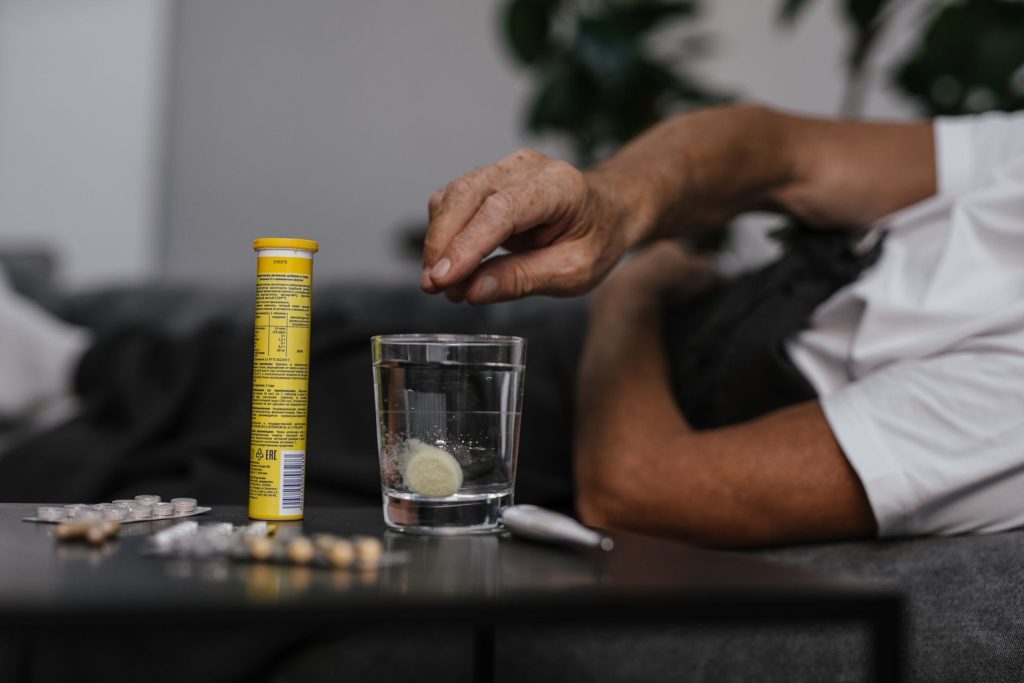
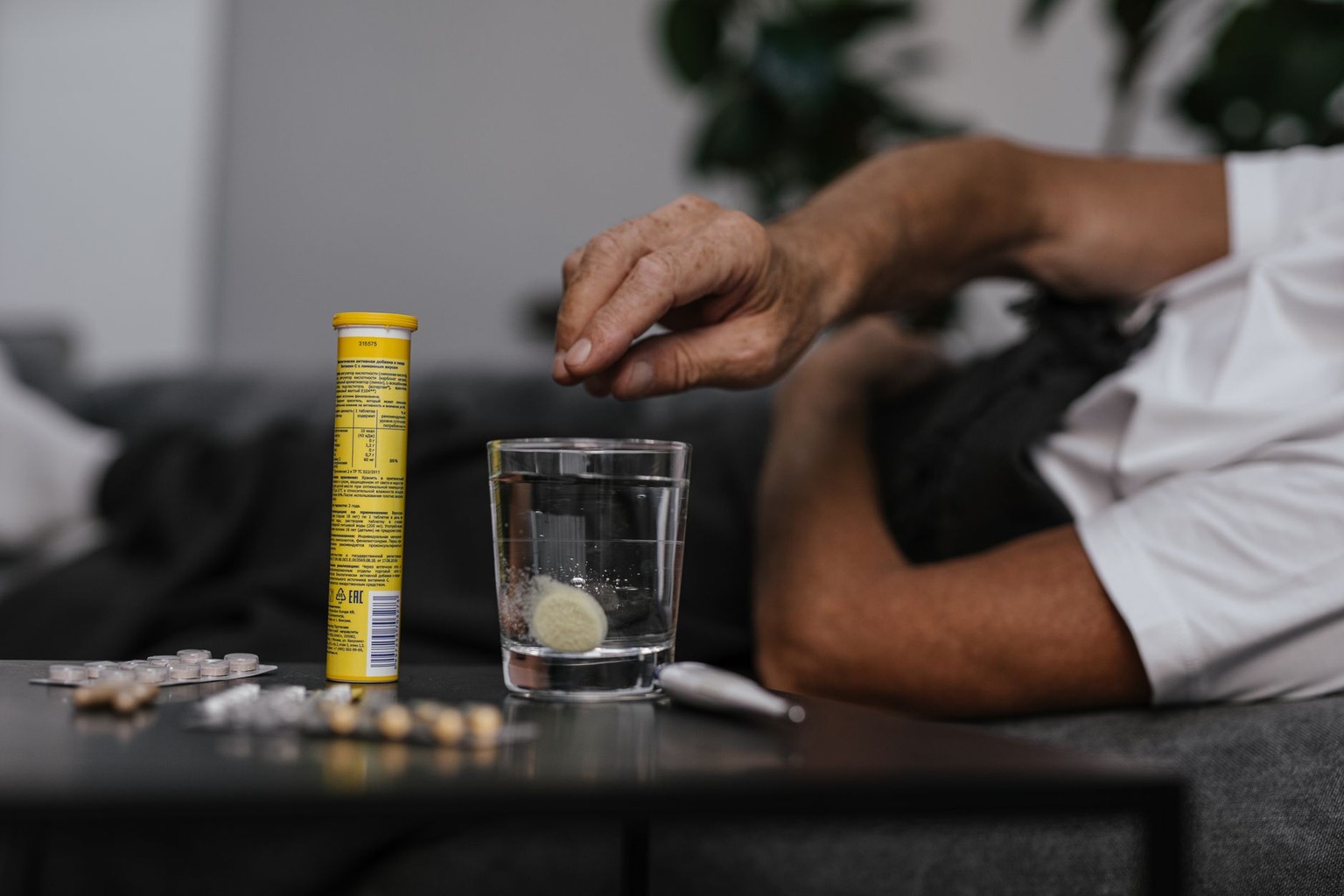
Most athletes grab a bottle of sports drink without a second thought, but the fine print on those colorful labels often hides a laundry list of additives. I’ve spent years testing hydration strategies, and I can tell you that electrolyte tablets offer a cleaner, more precise alternative to sugary syrups. You simply drop one into water, wait for it to fizz, and suddenly you have a drink tailored to your specific sweat rate. The real advantage lies in the control; you can adjust the concentration based on whether you are tackling a 5K or an ultra-marathon in the heat. Brands like Nuun have paved the way, proving that you don’t need a chemistry degree to stay hydrated, you just need the right tablet for the job.
Criteria For Selecting High-Performance Electrolyte Tablets
When assessing electrolyte tablets for athletic performance, the mineral composition and concentration per serving represent the most critical technical specification. A high-performance formulation should deliver a minimum of 300 milligrams of sodium per tablet, as this electrolyte drives fluid retention and prevents cramping during moderate to intense exertion. Potassium and magnesium should follow in balanced ratios, typically around 100 to 200 milligrams each, to support nerve impulse transmission and muscle function without causing gastrointestinal distress. I have found that tablets relying solely on sodium often create a salty aftertaste that discourages consistent hydration, whereas those incorporating a full spectrum of trace minerals, calcium, chloride, and phosphate, taste more natural and facilitate faster absorption. The solubility rate also matters; a tablet that dissolves completely within two minutes in lukewarm water ensures the minerals are immediately available for uptake, whereas undissolved residues can irritate the stomach lining during a run or ride. Finally, the source of these electrolytes, whether derived from real salt brines or synthesized in a laboratory, impacts both the flavor profile and how gently the product sits on the digestive system during prolonged efforts.
Sugar content and additive profiles serve as secondary but equally decisive factors when differentiating premium products from budget options. Many mass-market electrolyte tablets rely on dextrose or sucrose to mask the metallic tang of high mineral concentrations, but this approach can spike blood glucose and undermine the benefits of low-carb or keto training protocols. I recommend seeking formulations sweetened with natural alternatives like stevia or monk fruit, which provide sufficient palatability without the caloric crash, typically keeping the sugar grams under five per tablet. Artificial colorings and preservatives such as potassium sorbate or sodium benzoate should be avoided entirely, especially for endurance athletes who consume these products multiple times daily over weeks of training cycles. Additionally, the presence of buffering agents like sodium bicarbonate can be advantageous for high-intensity interval training, as they help neutralize lactic acid buildup, but they may cause bloating in sensitive individuals. Reading the ingredient list for transparency, specifically looking for “no added sugars” and “vegan-certified” labels, distinguishes a thoughtful hydration strategy from a generic supplement approach.
Top Rated Options For Endurance Athletes Compared
When choosing an electrolyte tablet for long training blocks, the sodium-to-potassium ratio often makes the difference between steady performance and a mid-session crash. Nuun Sport leads many packs with roughly 300 milligrams of sodium and 150 milligrams of potassium per tablet, a balance designed to mimic sweat loss during moderate-intensity efforts lasting under two hours. However, athletes hammering out Ironman-distance efforts frequently reach for Skratch Labs, which clocks in at a hefty 380 milligrams of sodium per liter, deliberately formulated for heavy sweaters who lose more salt than the average participant. The distinction matters because sodium drives fluid absorption, and without enough of it, water simply passes through you without hydrating muscle tissue. Magnesium and calcium round out the mineral profile, with brands like LMNT pushing calcium levels higher to support bone density during high-volume weeks, while others prioritize zinc for immune support during taper periods. Reading the label becomes a ritual; if the sodium falls below 200 milligrams, you are likely under-dosing for anything beyond a easy recovery spin.
Taste and dissolvability often dictate compliance, especially when you are carrying a handful of tubes in a race belt or transition bag. Nuun’s lemon-lime and orange flavors consistently earn high marks for not leaving a chalky residue, a common complaint with older tablet formulations that relied heavily on artificial dyes. Skratch Labs leans into real fruit powder, giving the drink a slightly cloudier appearance and a more authentic taste profile, though some users find the texture grainier if the water sits too long. The convenience factor also shifts with packaging; Nuun often comes in recyclable tubes, while some competitors sell bulk jars that can burst if left in a hot car during summer events. Price per serving varies wildly, with premium options costing nearly double the cost of budget brands, but many athletes argue that the difference in mineral balance justifies the expense when you consider the cost of a DNF caused by cramping or bonking. Ultimately, the “best” option hinges on matching the tablet’s electrolyte composition to your specific sweat rate, which you can estimate by weighing yourself before and after a typical training session.
Best Low-Calorie Formulas For Weight Management
When choosing electrolyte supplements for weight management, the sodium content becomes the deciding factor between hydration and unwanted calorie creep. Many commercial drinks pack over 100 milligrams of sodium per serving, which can quickly add up if you are sipping throughout a long workday or training session. A better approach involves selecting formulas that provide roughly 300 to 500 milligrams of sodium while keeping the total caloric count below five calories per tablet. Look for products that use potassium chloride rather than sugar-based carriers; potassium helps balance fluids without the glucose spike that can derail metabolic goals. Some low-calorie options even incorporate a small amount of magnesium, which supports muscle function and can reduce cramping during calorie-restricted exercise routines. The key is reading the nutrition label as carefully as you would a food product, because “low sugar” does not always mean “low calorie” if the tablet relies on maltodextrin or dextrose as a binding agent.
On the James Hudson channel, they cover the science behind electrolytes, and you can watch it right here.
Flavor variety often dictates compliance, but artificial sweeteners like sucralose or acesulfame potassium come with their own set of considerations for those sensitive to gut irritation. A growing number of brands now offer naturally sweetened versions using stevia leaf extract or monk fruit, which provide the taste satisfaction without the aftertaste or potential digestive upset that can accompany sugar alcohols. I have found that a lightly citrus-flavored tablet dissolves more cleanly in water than heavily flavored berry options, which can sometimes leave a gritty residue at the bottom of the bottle. For individuals tracking macros meticulously, selecting a powder or tablet that lists zero grams of carbohydrates per serving is essential, as even trace amounts can accumulate over dozens of servings weekly. Ultimately, the best formula is one that you will actually consume consistently, so prioritize taste and mixability alongside the nutritional profile.
Timing your electrolyte intake can amplify the weight management benefits beyond simple hydration. Drinking a low-calorie formula first thing in the morning, before breakfast, helps rehydrate the body after a night of sleep and can slightly elevate metabolic rate through the mild stress of fluid balance restoration. During a workout, sipping on an electrolyte tablet instead of plain water encourages you to drink more volume, which supports fat oxidation by keeping the body’s temperature regulation systems functioning optimally. On rest days, maintaining electrolyte equilibrium prevents the water retention that often masquerades as weight gain when sodium intake fluctuates. I recommend keeping a pack of tablets in your gym bag or desk drawer so that replenishing becomes a habit rather than an afterthought; consistency in hydration supports consistency in weight loss progress, making the often overlooked mineral balance a silent partner in your fitness journey.
Convenient Tablet Formats For Travel And Outdoor Use
When miles stretch into the horizon and water sources become scarce, the portability of hydration supplements makes all the difference. Electrolyte tablets offer a lightweight alternative to bulky liquid bottles, easily sliding into a small pocket or first aid kit without adding significant weight to a pack. A typical tablet weighs under a gram, yet dissolves into a full serving of electrolyte-rich fluid, providing essential sodium and potassium lost through sweat during a long trail run or mountain trek. This compact efficiency means adventurers can carry multiple days’ worth of hydration support without the bulk, ensuring they stay fueled and focused on the path ahead rather than the weight on their back.
Beyond simple portability, the dissolution rate and flavor profile of these tablets significantly impact the outdoor experience. High-quality formulations are engineered to fizz and dissolve rapidly even in cold mountain streams or lukewarm tap water, preventing the gritty residue that can discourage consistent drinking. Moreover, brands now offer a spectrum of natural fruit flavors, from crisp citrus to subtle berry, which mask the sometimes salty taste of mineral blends and encourage higher fluid intake. The ability to customize strength by adjusting the number of tablets per liter also allows travelers to tailor their hydration strategy to the specific climate and exertion level, making these tiny discs a versatile tool for anyone navigating remote terrain.
Flavor Profiles And Mixability Of Popular Brands
When you first pop a Nuun tablet into a bottle of water, the initial impression is often a bright, citrus-forward burst that feels more like a sports drink than a supplement. The brand has leaned heavily into natural flavor extracts, and their “Citrus” variety delivers a tangy lemon-lime profile that avoids the cloying sweetness found in cheaper alternatives. However, the “Tri-Berry” option tends to be more polarizing; while the raspberry notes are authentic, the underlying stevia aftertaste can linger if the water is cold, requiring a brief stir to fully integrate the powder. The texture is notably fine, and when you shake the bottle, the tablet dissolves within thirty seconds, leaving no gritty residue at the bottom, which is a common complaint with mineral-heavy formulas.

Moving beyond Nuun, the electrolyte landscape offers distinct personalities that cater to different hydration philosophies. Skratch Labs, for instance, prioritizes real fruit and a lower osmolality, resulting in a flavor that tastes more like diluted juice than a chemical mix; their “Raspberry” flavor uses actual fruit puree, giving it a cloudy appearance that some athletes find off-putting, yet others appreciate as a sign of authenticity. On the other hand, LMNT takes a savory approach, marketing their product specifically for low-carb and keto adherents, and their “Citrus Salt” flavor delivers a pronounced salty-sour profile that can be an acquired taste but is incredibly effective for replacing sweat losses during intense training. Mixability varies here as well; LMNT’s thicker consistency means it doesn’t always disappear instantly, often requiring a longer shake time or a quick whisk to ensure the saltiness is evenly distributed throughout the liquid.
How To Match Electrolyte Tablets To Specific Training Goals
Selecting the right electrolyte tablet starts with identifying your primary physiological stressor during exercise. If you are performing high-intensity interval training in a cool environment, sodium is likely your most limiting factor because sweat rates remain elevated even without excessive heat. Look for tablets containing 500 to 800 milligrams of sodium per serving to replace what you lose through perspiration, rather than relying on multi-mineral blends that dilute the effective dose. Potassium becomes more relevant during longer endurance sessions lasting over two hours, where muscle cramping risk increases due to sustained contraction cycles. A balanced approach often means prioritizing sodium density first and adding potassium or magnesium only if your specific sport involves prolonged isotonic sweat loss.
For athletes engaged in endurance events like marathons or triathlons, the timing of electrolyte intake matters just as much as the composition of the tablet. Pre-hydration with a full serving 30 minutes before the start helps establish fluid balance and reduces the shock to your gastrointestinal system during the race. During the event, you should aim to consume one tablet every 45 to 60 minutes to maintain steady plasma levels without causing osmotic diarrhea from rapid fluid shifts. If you are doing strength training in a heated gym, however, the volume of sweat loss is significantly lower, so a single tablet post-workout is usually sufficient to restore homeostasis without overloading your kidneys with unnecessary minerals.
Certain training environments demand a more specialized mineral profile that standard sports drinks often fail to provide adequately. In hot and humid conditions, sweat rates can exceed one liter per hour, which depletes both sodium and chloride rapidly and raises the risk of hyponatremia if you drink only plain water. Tablets with a higher concentration of magnesium, around 100 to 200 milligrams, may support neuromuscular function during these extended heat stress scenarios where muscle fatigue sets in earlier than expected. Always cross-reference your specific sweat rate, which can be estimated by weighing yourself before and after a session, to determine whether you need a high-sodium formula for heavy sweaters or a more moderate blend for those with lower perspiration levels.

I’ve always been fascinated by how the right nutrients can boost performance and recovery, so I spend my free time testing new sports drinks and supplements. Sharing what I learn helps others make informed choices for their fitness goals.