Understanding Antioxidants and Their Importance
Antioxidants are molecules that play a crucial role in maintaining the balance of our body’s internal environment. By definition, antioxidants are substances that can prevent or slow damage to cells caused by free radicals. Free radicals are unstable atoms or molecules that have unpaired electrons, making them highly reactive and capable of causing oxidative stress. Oxidative stress occurs when there is an imbalance between the production of these free radicals and the body’s ability to counteract their harmful effects.
The importance of antioxidants lies in their ability to neutralize free radicals by donating an electron, thus stabilizing these reactive molecules and preventing them from causing cellular damage. This process helps protect vital molecules such as DNA, proteins, and lipids from oxidative injury, which is linked to various chronic conditions including heart disease, cancer, and neurodegenerative disorders. Essentially, antioxidants serve as the body’s natural defense mechanism against oxidative stress.
Our bodies produce some antioxidants naturally, such as glutathione and superoxide dismutase, but many antioxidants are acquired through diet. Consuming a variety of fruits, vegetables, nuts, and whole grains provides a wide array of antioxidant compounds such as vitamins C and E, selenium, and flavonoids. These nutrients enhance the body’s ability to combat free radicals and reduce oxidative stress, supporting overall health and longevity.
In addition to protecting cells from damage, antioxidants are essential for recovery and maintaining optimal bodily functions. They reduce inflammation, support immune health, and promote the repair of damaged tissues. Understanding the antioxidants definition and their critical role highlights why they are integral to nutrition and health strategies focused on prevention and recovery.
Types of Antioxidants
Antioxidants are crucial compounds that help protect the body from oxidative stress and aid in recovery by neutralizing free radicals. There are several types of antioxidants, each playing a unique role in maintaining cellular health. The primary categories include vitamins, minerals, phytonutrients, and enzymatic antioxidants.
Vitamins such as vitamin C, vitamin E, and beta-carotene are well-known antioxidants. Vitamin C is water-soluble and helps regenerate other antioxidants while supporting immune function. Vitamin E is fat-soluble, protecting cell membranes from oxidative damage. Beta-carotene, a precursor to vitamin A, also defends against free radicals and supports skin and eye health.
Minerals like selenium and zinc serve as cofactors for antioxidant enzymes. Selenium is essential for the activity of glutathione peroxidase, an enzyme that reduces harmful peroxides in cells. Zinc contributes to the stabilization of cell membranes and is involved in the function of superoxide dismutase, an enzyme that catalyzes the breakdown of superoxide radicals.
Phytonutrients, or plant-based antioxidants, include flavonoids and polyphenols, found abundantly in fruits and vegetables. These compounds offer additional antioxidant protection and possess anti-inflammatory properties. Enzymatic antioxidants, like superoxide dismutase, catalase, and glutathione peroxidase, are crucial for cellular defense mechanisms, breaking down reactive oxygen species into less harmful substances, ultimately supporting recovery and overall health.
Sources of Antioxidants in Diet
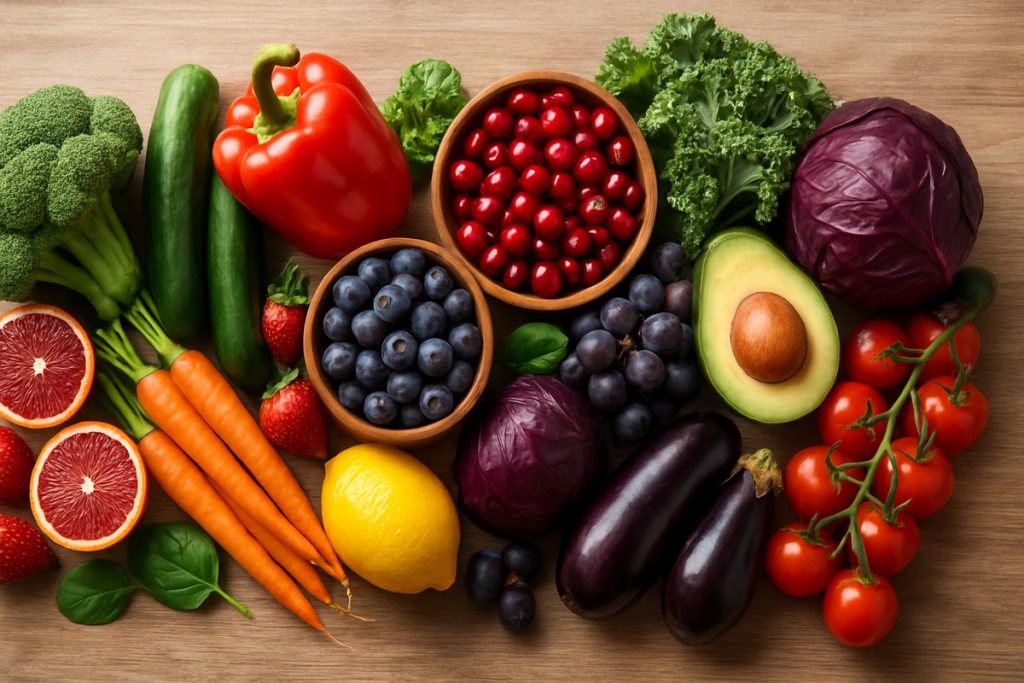
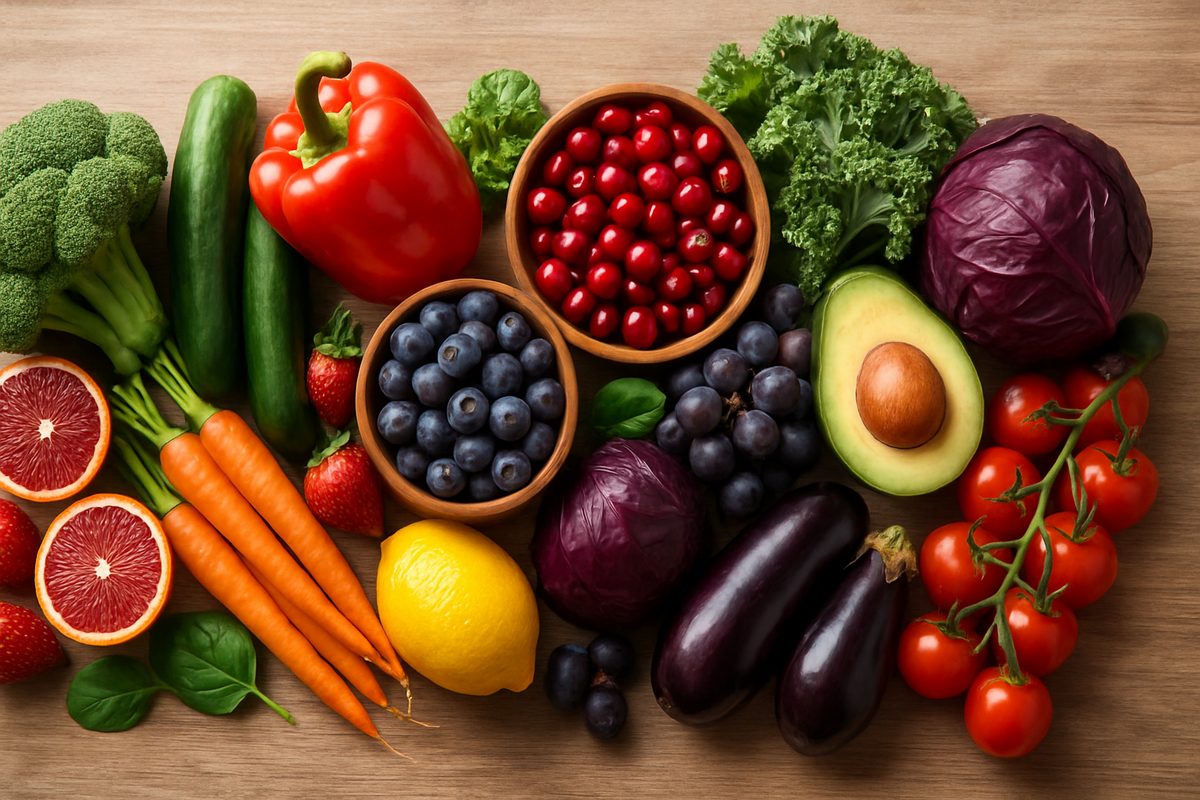
Antioxidants play a crucial role in protecting the body from oxidative stress, and incorporating antioxidant rich foods into your diet can significantly aid in recovery and overall health. Natural dietary sources of antioxidants primarily include a wide variety of fruits and vegetables. Berries such as blueberries, strawberries, and raspberries are particularly high in antioxidants, as are dark leafy greens like spinach and kale. Additionally, foods like nuts, seeds, and certain whole grains contribute valuable antioxidant properties to your meals.
To maximize the benefits of antioxidants, it’s important to include diverse sources throughout the day. Start your morning with a fruit smoothie or oatmeal topped with antioxidant-rich nuts and berries. For lunch and dinner, incorporate colorful vegetables—such as bell peppers, carrots, and broccoli—either steamed, roasted, or fresh in salads. Snacking on nuts and seeds can provide a convenient boost between meals. Including herbs and spices like turmeric and cinnamon also adds antioxidant compounds to your diet.
By focusing on these dietary sources, you can easily maintain a nutrient-dense diet that supports recovery and cellular health. Experimenting with different combinations of fruits, vegetables, nuts, and seeds ensures a broad spectrum of antioxidants, which work synergistically to combat free radicals. Ultimately, making antioxidant rich foods a regular part of your daily nutrition helps foster better health and resilience.
Role of Antioxidants in Recovery and Healing
Antioxidants play a crucial role in the body’s recovery processes by aiding muscle recovery, promoting wound healing, reducing inflammation, and repairing oxidative damage. During physical exertion or injury, the body generates free radicals which can cause significant oxidative stress. This oxidative stress damages cells and tissue, slowing down recovery and healing times if left unchecked. Antioxidants neutralize these harmful free radicals, thereby protecting cells and facilitating faster repair.
Muscle recovery benefits immensely from antioxidant activity. Intense exercise produces an excess of reactive oxygen species (ROS) which contribute to muscle fatigue and soreness. By combating oxidative damage, antioxidants help reduce muscle breakdown and inflammation, allowing muscles to repair more efficiently and regain strength. This process is vital for athletes and individuals undergoing physical rehabilitation, as it supports quicker restoration of muscle function.
When it comes to wound healing, antioxidants support the body’s natural regenerative processes by minimizing oxidative stress at the injury site. Excessive free radicals can delay healing by damaging healthy cells and promoting chronic inflammation. Antioxidants help curb this detrimental effect by reducing inflammation, thus creating an optimal environment for tissue repair and recovery. This accelerated healing process helps close wounds faster and decreases the likelihood of infection or scarring.
Inflammation reduction is a key component of how antioxidants aid in recovery. While inflammation is a natural response to injury or stress, excessive or prolonged inflammation can hinder the healing process. Antioxidants modulate inflammatory pathways, reducing the release of inflammatory mediators and preventing further cellular damage. This control of inflammation not only improves comfort but also supports overall health during recovery periods.
Finally, the repair of oxidative damage is central to the role antioxidants play. By neutralizing free radicals, antioxidants prevent lipid peroxidation, protein damage, and DNA strand breaks. This preservation of cellular integrity means that tissues remain healthy and functional, facilitating more effective muscle recovery and wound healing. To maximize these benefits, incorporating a diet rich in antioxidant sources such as fruits, vegetables, and supplements can be a valuable strategy for anyone focused on enhancing their recovery and healing processes.
Antioxidants and Muscle Recovery
Antioxidants play a crucial role in exercise recovery by combating oxidative stress that occurs during intense physical activity. When muscles are exercised, the body produces free radicals, which can damage cells and delay muscle repair. Antioxidants neutralize these harmful molecules, reducing cellular damage and promoting faster recovery.
One of the key benefits of antioxidants in muscle recovery is their ability to reduce muscle soreness. After a strenuous workout, many athletes experience delayed onset muscle soreness (DOMS), primarily caused by oxidative stress and inflammation. Antioxidants help to mitigate these effects by minimizing inflammation and supporting cellular repair mechanisms, which leads to less soreness and improved overall recovery times.
In addition to reducing muscle soreness, antioxidants also enhance exercise recovery by supporting immune function and reducing muscle fatigue. Their anti-inflammatory properties ease the physical stress of exercise, allowing the muscles to repair and rebuild more efficiently. This means athletes can train harder and more frequently without the setbacks caused by prolonged soreness and fatigue.
In summary, incorporating antioxidants into a recovery routine offers significant antioxidant benefits by protecting muscles from oxidative damage, reducing muscle soreness, and accelerating the repair process. This makes them an essential component for anyone looking to optimize exercise recovery and maintain peak physical performance.
Antioxidants in Immune System Support
Antioxidants play a crucial role in enhancing immune system performance, which significantly aids faster recovery from illness or injury. By neutralizing free radicals, antioxidants reduce oxidative damage to immune cells, helping to maintain their optimal function. This protection supports a more effective immune response, allowing the body to combat pathogens and repair damaged tissues more efficiently.
The body’s immune function relies heavily on the balance between reactive oxygen species and antioxidants. Excess oxidative stress can impair immune cells, leading to prolonged recovery times and vulnerability to infections. Antioxidants such as vitamins C and E, selenium, and flavonoids help restore this balance by scavenging harmful molecules, thus preserving cellular integrity and boosting the immune response.
Moreover, antioxidants support the recovery process by modulating inflammation. While inflammation is a natural part of the immune response, chronic or excessive inflammation can delay healing. Antioxidants help to regulate this response, minimizing tissue damage and fostering a more rapid return to health. Consequently, they serve as an essential component in recovery support strategies.
In summary, antioxidants enhance immune system function by protecting immune cells from oxidative damage, promoting a balanced immune response, and regulating inflammation. These effects collectively expedite recovery from illness or injury, highlighting the importance of antioxidants in maintaining a robust and resilient immune defense.
Optimizing Antioxidant Intake for Effective Recovery
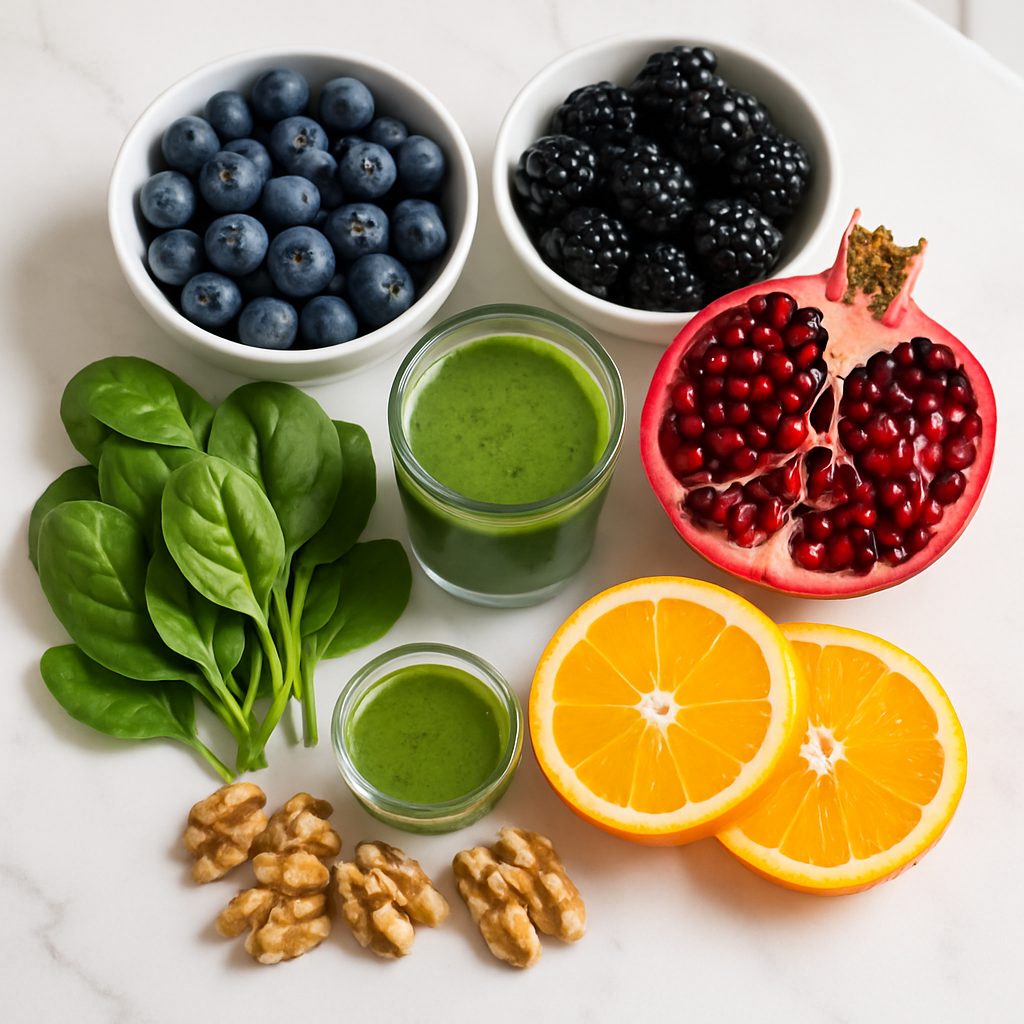
Optimizing antioxidant intake is essential for enhancing recovery outcomes, as antioxidants play a crucial role in combating oxidative stress and supporting cellular repair. To achieve the best results, it is important to consider both antioxidant supplements and diet plans that meet your daily antioxidant needs.
Incorporating a well-balanced diet rich in natural antioxidants is the foundation of effective recovery. Focus on consuming a variety of fruits, vegetables, nuts, and whole grains, as these foods are abundant in vitamins C and E, selenium, and flavonoids. Diet plans should emphasize colorful produce such as berries, spinach, kale, and bell peppers, which deliver a potent antioxidant boost. A diverse diet ensures that different antioxidant compounds work synergistically to neutralize free radicals efficiently.
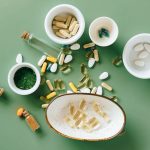
Antioxidant supplements can be a helpful addition, especially when dietary intake falls short due to lifestyle or dietary restrictions. However, it’s important to select supplements that are evidence-based and to avoid excessive doses which may counteract recovery efforts. Consulting with a healthcare professional can help tailor antioxidant supplements to your specific needs.
The timing of intake also significantly influences the effectiveness of antioxidants. Consuming antioxidants around periods of physical stress, such as immediately after intense exercise, can help reduce oxidative damage and support faster recovery. Spreading antioxidant intake throughout the day can maintain a steady defense against free radicals, rather than concentrating all intake in a single meal or supplement dose.
Understanding your daily antioxidant needs is key to optimizing recovery. These needs vary based on factors such as age, activity level, and overall health. By monitoring and adjusting antioxidant intake through both diet plans and supplements, individuals can better support their body’s natural repair mechanisms and improve recovery efficiency.
In summary, a strategic combination of a nutrient-dense diet and carefully selected antioxidant supplements, combined with mindful timing and personalized daily intake targets, creates an optimal environment for antioxidant function and effective recovery.
Dietary Strategies to Maximize Antioxidant Effects
To maximize the benefits of antioxidants for recovery, adopting a balanced diet that incorporates a variety of antioxidant-rich foods is essential. Start by including colorful fruits and vegetables such as berries, spinach, and kale in your meal planning. These foods are naturally high in vitamins C and E, flavonoids, and carotenoids, which are powerful antioxidants that help reduce oxidative stress and support cellular repair.
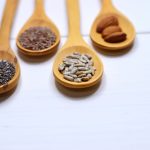
Incorporate nuts, seeds, and whole grains to add vitamin E and selenium to your diet, further enhancing antioxidant intake. Meal planning can be simplified by preparing meals in advance with antioxidant-rich ingredients like sweet potatoes, tomatoes, and green tea. This approach ensures consistency and helps maintain nutrient intake even during busy schedules.
Nutrition tips include opting for fresh, minimally processed foods and avoiding excessive consumption of sugars and unhealthy fats, which can increase oxidative stress. Hydration is also crucial, as water supports detoxification and nutrient transport, amplifying antioxidant effects. By combining these strategies, you support efficient recovery, protect cells from damage, and promote overall health through your diet.
Choosing the Right Antioxidant Supplements
When selecting antioxidant supplements, it is essential to consider the various supplement types available, their efficacy, appropriate dosage, and safety considerations. Common antioxidant supplements include vitamins C and E, selenium, flavonoids, and carotenoids. Each type offers different benefits and targets oxidative stress in unique ways, so choosing the right one depends on individual health goals and needs.
Regarding dosage, it is important to adhere to the recommended daily allowances and avoid excessive intake, as high doses of some antioxidants may have adverse effects. For example, vitamin C is generally safe up to 2000 mg per day, while vitamin E should not exceed 1000 mg daily to prevent potential bleeding risks. Consulting with a healthcare professional can help determine the correct dosage tailored to personal health profiles.
Safety considerations play a significant role in supplement selection. Some antioxidants might interact with medications or other supplements, so transparency about current therapies is crucial. Additionally, obtaining antioxidants from whole foods alongside supplements can enhance efficacy and reduce risks. Always check for product quality, ensuring supplements are sourced from reputable manufacturers with transparent ingredient lists and third-party testing.
Ultimately, balancing supplement types, understanding efficacy, following dosing guidelines, and prioritizing safety considerations will support optimal use of antioxidant supplements in recovery and overall health maintenance.

I’ve always been fascinated by how the right nutrients can boost performance and recovery, so I spend my free time testing new sports drinks and supplements. Sharing what I learn helps others make informed choices for their fitness goals.