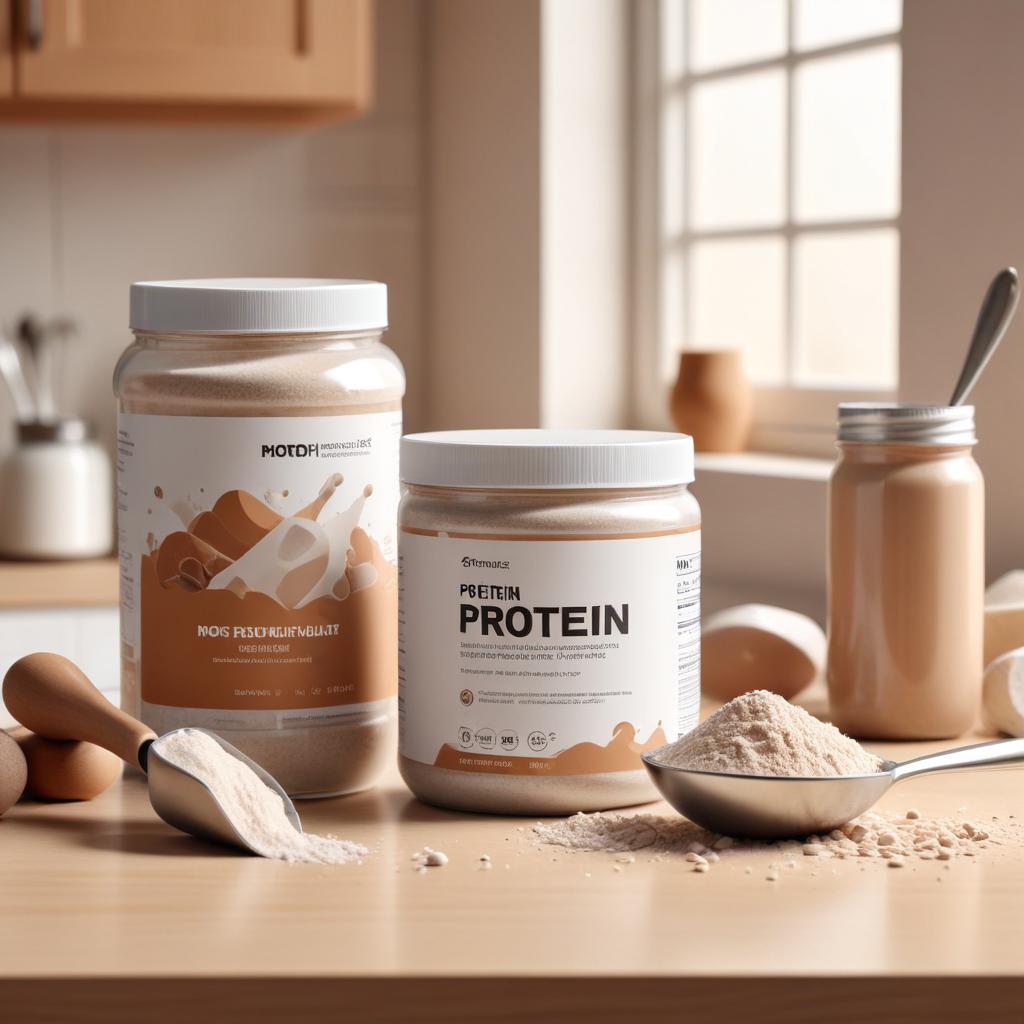
Understanding Protein Supplements
Protein supplements are products designed to provide a convenient and efficient source of protein to support muscle recovery, growth, and overall health. They are especially popular among athletes, bodybuilders, and fitness enthusiasts who seek to enhance their dietary protein intake without relying solely on whole foods. Protein supplements come in various types and forms, each offering unique benefits and characteristics.
One of the most common types of protein supplements is whey protein. Derived from milk during the cheese-making process, whey protein is highly regarded for its rapid digestibility and rich essential amino acid profile, including branched-chain amino acids (BCAAs) which are crucial for muscle repair. Whey protein is typically available in concentrate, isolate, or hydrolysate forms, allowing users to choose based on their dietary needs and preferences.
Another popular option is casein protein, also sourced from milk but known for its slow digestion rate. This makes casein ideal for consumption before periods of fasting such as overnight sleep, providing a sustained release of amino acids to muscles and potentially improving recovery and muscle preservation during rest.
For those seeking plant-based alternatives, there is a wide variety of protein supplements derived from sources like peas, rice, hemp, soy, and mixed plant blends. Plant-based protein supplements are excellent for vegetarians, vegans, or individuals with dairy allergies or intolerances. They often contain a balanced amino acid profile when combined properly and provide other nutrients such as fiber and antioxidants.
Protein supplements come in multiple forms to suit different consumption preferences. The most common form is protein powder, which can be easily mixed with water, milk, or smoothies for a quick shake. Protein bars offer a portable, ready-to-eat option with additional carbohydrates and fats for energy. Additionally, ready-to-drink protein shakes provide convenience for on-the-go consumption without the need for preparation.
In summary, understanding the various types of protein supplements—from whey and casein to plant-based options—and their different forms helps individuals choose the right product to support their nutritional goals and muscle recovery needs.
Different Types of Protein Supplements
Protein supplements come in various forms, each offering unique benefits for muscle recovery. Among the most popular protein powder types is whey protein, known for its fast absorption and high bioavailability. It is excellent for post-workout consumption, providing muscles with the necessary amino acids quickly to promote repair and growth.
Casein protein, on the other hand, digests more slowly compared to whey. This slow-release characteristic makes casein ideal for sustained muscle recovery, often consumed before bedtime to provide a steady supply of protein throughout the night. Its prolonged absorption helps reduce muscle breakdown and supports recovery during long periods without food.
For those seeking plant-based options, plant-based protein supplements such as pea, hemp, and rice protein are widely available. These are great alternatives for vegetarians, vegans, or people with lactose intolerance. While plant proteins may have a slightly different amino acid profile, many blends combine different sources to ensure a complete protein profile that effectively supports muscle repair and recovery.
Choosing the right type of protein supplement depends on your dietary preferences, digestion speed, and timing related to workouts. Incorporating a combination of these protein powder types can provide comprehensive support for muscle recovery, helping enhance overall performance and muscle growth.
How Protein Supplements Work in the Body
Protein supplements undergo a complex digestion process once ingested, beginning in the stomach where enzymes break down the protein into smaller peptides. These peptides then move into the small intestine, where they are further broken down into individual amino acids by enzymes such as proteases. This process of protein digestion is crucial because it converts the protein supplement into absorbable nutrients that the body can utilize efficiently.
Once digested, the amino acids are absorbed through the walls of the small intestine into the bloodstream. This nutrient absorption ensures that amino acids reach the muscles and other tissues quickly, supporting vital functions. Amino acids are the building blocks for muscle protein synthesis, the process by which muscles repair and grow after exercise-induced damage.
Muscle protein synthesis triggered by amino acids helps to rebuild muscle fibers that have been stressed during workouts, leading to stronger and larger muscles over time. Consuming protein supplements can provide a concentrated and efficient source of amino acids, especially essential amino acids like leucine, which play a key role in activating the muscle repair process. Therefore, understanding how protein digestion and nutrient absorption work helps highlight why protein supplements are effective for muscle recovery and growth.
Role of Protein Supplements in Muscle Recovery
Protein supplements play a crucial role in muscle recovery, serving as a key component of effective post-workout nutrition. After intense exercise, muscles undergo stress and microscopic damage, leading to soreness and fatigue. Consuming protein supplements helps provide the essential amino acids required to repair and rebuild these muscle tissues, ultimately speeding up recovery time.
One of the primary benefits of protein supplements is their ability to enhance muscle repair. Proteins contain amino acids, which are the building blocks of muscle fibers. When ingested after a workout, these amino acids stimulate muscle protein synthesis, the process the body uses to repair damaged muscle fibers and promote growth. This not only aids in quicker recovery but also supports muscle strengthening and adaptation to physical stress.
Another important advantage of protein supplementation is the reduction of muscle soreness. Delayed onset muscle soreness (DOMS) often occurs after unfamiliar or strenuous exercise, impacting performance and comfort. Studies have shown that consuming protein supplements post-exercise can decrease the severity and duration of muscle soreness by facilitating faster muscle repair and reducing inflammation.
Incorporating protein supplements into post-workout nutrition is especially beneficial for athletes and fitness enthusiasts aiming to optimize their recovery. Whey protein, casein, and plant-based protein powders are popular choices due to their high bioavailability and rapid absorption. These supplements can be conveniently consumed as shakes or added to meals, ensuring that muscles receive the necessary nutrients soon after exercise.
In summary, protein supplements offer essential protein benefits that are vital for muscle recovery. They help reduce muscle soreness, enhance muscle repair, and support overall recovery after exercise. Including an adequate amount of protein through supplementation in post-workout nutrition helps individuals maintain muscle health, improve performance, and achieve their fitness goals more effectively.
Timing Protein Intake for Optimal Recovery
Protein timing plays a crucial role in muscle repair and overall recovery after workouts. Consuming protein supplements immediately post-workout has been shown to maximize muscle protein synthesis, which is essential for repairing and building muscle tissue. This period, often referred to as the “anabolic window,” is when muscles are most receptive to nutrients. Taking advantage of this timing by ingesting post-workout protein can enhance recovery speed and improve muscle growth outcomes.
By focusing on nutrient timing, athletes and fitness enthusiasts ensure that their bodies receive the necessary building blocks right when they need them most. Protein timing not only supports muscle repair but also helps reduce muscle soreness, allowing for quicker return to training sessions. Consuming a high-quality protein supplement soon after exercise delivers essential amino acids directly to the muscles, jumpstarting the repair process and replenishing depleted amino acid stores.
Additionally, integrating protein timing into a balanced diet prevents muscle catabolism and optimizes recovery capacity. While total daily protein intake remains important, the strategic consumption of protein supplements immediately after workouts ensures that the body can efficiently repair damage and build new muscle fibers. Therefore, paying attention to post-workout protein intake is a key strategy for anyone serious about muscle recovery and growth.
Recommended Protein Dosage for Recovery
To maximize muscle recovery and growth, it is essential to understand the appropriate protein dosage needed for your body. The daily protein intake plays a crucial role in repairing muscle fibers that are broken down during exercise. Research suggests that consuming between 1.2 to 2.2 grams of protein per kilogram of body weight is optimal for muscle building protein amount, depending on the intensity and frequency of your workouts.
For individuals engaged in moderate to intense strength training, aiming for the higher end of this range ensures adequate protein requirements to support muscle synthesis and repair. This means if you weigh 70 kilograms, your protein dosage should ideally fall between 84 to 154 grams per day. Spreading this intake evenly throughout the day across multiple meals can improve protein utilization and muscle recovery.
It’s also important to tailor protein requirements based on personal factors such as age, activity level, and overall health. For example, older adults may need slightly higher amounts to counteract muscle loss. Additionally, incorporating high-quality protein sources rich in essential amino acids, particularly leucine, can further enhance recovery outcomes. Monitoring your muscle response and adjusting daily protein intake accordingly can help optimize muscle growth and prevent overconsumption.
Potential Risks and Best Practices
While protein supplements offer significant benefits for muscle recovery and growth, understanding protein supplement safety is crucial to avoid unwanted side effects. Some common risks associated with protein supplement usage include digestive issues such as bloating, gas, and diarrhea, especially when consumed in excessive amounts. Overconsumption can also strain the kidneys and liver, particularly for individuals with pre-existing conditions.
Another concern is the quality of supplement products. Not all protein supplements are created equal; low-quality products may contain contaminants, inaccurate ingredient labels, or harmful additives. Choosing reputable brands with third-party testing and certification is essential to ensure supplement quality and avoid potential health hazards.
Side effects may also arise from allergic reactions to certain protein sources, like whey, soy, or casein. People with allergies should carefully check product labels and consider hypoallergenic or plant-based alternatives to reduce risks.
To promote healthy usage of protein supplements, it is important to follow recommended dosages and not rely solely on supplements for protein intake. A balanced diet rich in whole foods should always be the foundation of muscle recovery nutrition. Incorporating protein supplements as a convenient addition rather than a replacement aids in achieving optimal results safely.
Additionally, consulting a healthcare provider or a nutritionist before starting any supplement regimen can help tailor usage to individual health status and fitness goals. Monitoring your body’s response and adjusting intake accordingly will prevent adverse effects and enhance the effectiveness of your protein supplementation strategy.
In summary, staying informed about the potential risks of protein supplements and adhering to best practices—such as prioritizing supplement quality, observing safe dosages, and integrating them with a healthy lifestyle—ensures safe and effective muscle recovery support.
Common Side Effects of Excessive Protein
Consuming protein supplements can be beneficial for muscle recovery, but excessive intake may lead to several protein side effects that are important to consider. One of the major concerns related to protein overdose is the strain it can place on the kidneys. High protein consumption forces the kidneys to filter out more nitrogen, a byproduct of protein metabolism, which over time may increase the risk of kidney damage, especially for individuals with pre-existing kidney conditions.
Digestive issues are another common side effect of excessive protein intake. Symptoms such as bloating, constipation, diarrhea, and stomach cramps can arise when the body struggles to process large amounts of protein, especially from supplements lacking sufficient fiber and hydration. This discomfort can disrupt daily routines and recovery efforts.
To avoid these negative outcomes, it is vital to consume protein supplements within recommended amounts tailored to your body weight, activity level, and overall diet. Staying hydrated helps support kidney function and ease digestion. Additionally, balancing protein intake with adequate fiber from vegetables, fruits, and whole grains can alleviate digestive discomfort. Consultation with a healthcare provider or nutritionist can further guide safe protein consumption and prevent overdose.
Being mindful of these protein side effects and managing intake wisely ensures that protein supplements contribute positively to muscle recovery without compromising overall health.
Choosing High-Quality Protein Supplements
When selecting protein supplements, prioritizing quality protein is essential to support effective muscle recovery and overall health. Start by looking for brands that use clean protein supplements free from unnecessary fillers, artificial additives, and harmful contaminants. High-quality supplements typically highlight their ingredient transparency, providing clear labeling that details every component within the product.
Another crucial factor is third-party testing. Opt for protein powders and supplements that have undergone independent testing to verify the purity and potency of their ingredients. Third-party certifications can confirm that the product meets safety standards and is free from banned substances or adulterants, giving consumers confidence in what they are consuming.
Reviewing the sourcing of the protein is also vital. Supplements derived from reputable suppliers and trusted production facilities tend to be more reliable in delivering quality protein. Always avoid products that lack clear information about their sourcing or manufacturing practices.
By focusing on ingredient transparency, third-party testing, and sourcing, you can ensure you choose clean protein supplements that are both safe and effective. This careful selection process helps maximize muscle recovery benefits while minimizing any health risks associated with low-quality or contaminated products.

I’ve always been fascinated by how the right nutrients can boost performance and recovery, so I spend my free time testing new sports drinks and supplements. Sharing what I learn helps others make informed choices for their fitness goals.