Achieving your physical transformation targets requires disciplined nutrition planning that goes far beyond guesswork and random snacking. Preparing your weekly food in advance ensures that you hit your daily protein requirements and carbohydrate splits without relying on willpower at the end of a long workday. When you map out your meals ahead of schedule, you align your caloric intake directly with your training intensity and recovery demands. This practical guide takes you through the exact process of organizing your kitchen, selecting high performance ingredients, and executing a foolproof cooking routine for optimal muscle retention and fat loss.
Assessing Your Caloric Targets and Macronutrient Splits
Before you turn on a single burner or buy a single container, you need a precise calculation of your daily energy needs and macro ratios. If your primary goal is building lean muscle mass, your nutrition plan must feature a moderate caloric surplus combined with roughly one gram of protein per pound of body weight. Fat loss phases require a controlled caloric deficit while keeping protein intake high to protect your hard earned muscle tissue from catabolic breakdown. Sit down with a kitchen scale and a reliable tracking application to determine your baseline numbers for rest days and heavy training sessions.
Your macro splits dictate the types of ingredients you will purchase during your weekly grocery run and how you will portion them later. Complex carbohydrates like sweet potatoes and quinoa provide sustained energy for brutal leg workouts and explosive lifting sessions. Meanwhile, lean proteins such as chicken breast, extra lean ground turkey, and white fish supply the essential amino acids required for immediate muscle protein synthesis. Do not neglect dietary fats because healthy sources like avocados and olive oil regulate hormone production, which directly influences your strength and recovery capacity.
Sourcing Quality Ingredients and Performance Supplements
Walking through the grocery store without a strict list is the fastest way to derail your physical conditioning goals and waste hard earned money. Stick primarily to the perimeter of the supermarket where fresh produce, lean meats, and dairy alternatives reside in abundance. Avoid processed items loaded with hidden sugars and sodium that can cause water retention and sluggishness during your afternoon gym sessions. Buy your proteins in bulk quantities to save money, and pick up versatile green vegetables like broccoli and asparagus that hold up well in storage containers over several days.
Integrating targeted sports supplements into your preparation routine can drastically improve your overall body composition results and workout performance. Keep your pantry stocked with a clean whey protein isolate or plant based alternative to easily hit your daily protein targets if a meal falls short. Creatine monohydrate is another staple that enhances high intensity muscular endurance, and you can mix your daily dose right into your morning shaker bottle. Quality BCAAs or essential amino acid powders are also great additions to your supplement station for intra workout hydration and recovery support.
Establishing an Efficient Kitchen Workspace and Tool Setup
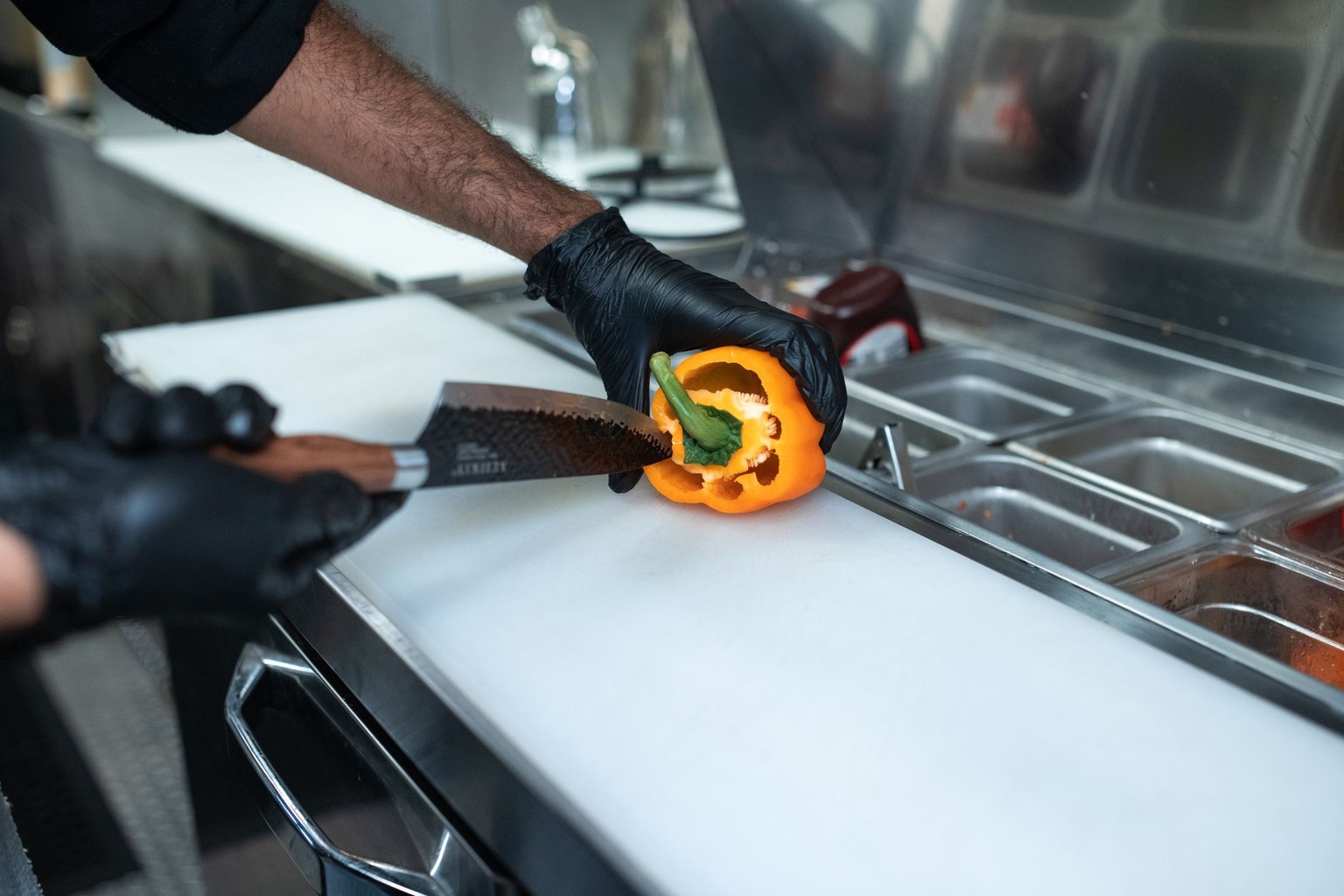
Tackling a massive cooking session for the entire week becomes an absolute nightmare if your kitchen tools are dull or disorganized. Sharp chef knives cut your prep time in half and prevent you from mangling expensive cuts of lean meat or delicate vegetables. Invest in a heavy duty cutting board that will not slide around your countertop while you chop pounds of produce and aromatic herbs. Clear out your sink and run the dishwasher before you start so you have plenty of room to clean equipment as you move through your cooking checklist.
On the Buff Dudes channel, they cover how to prep balanced meals for fitness goals, and you can watch it right here.
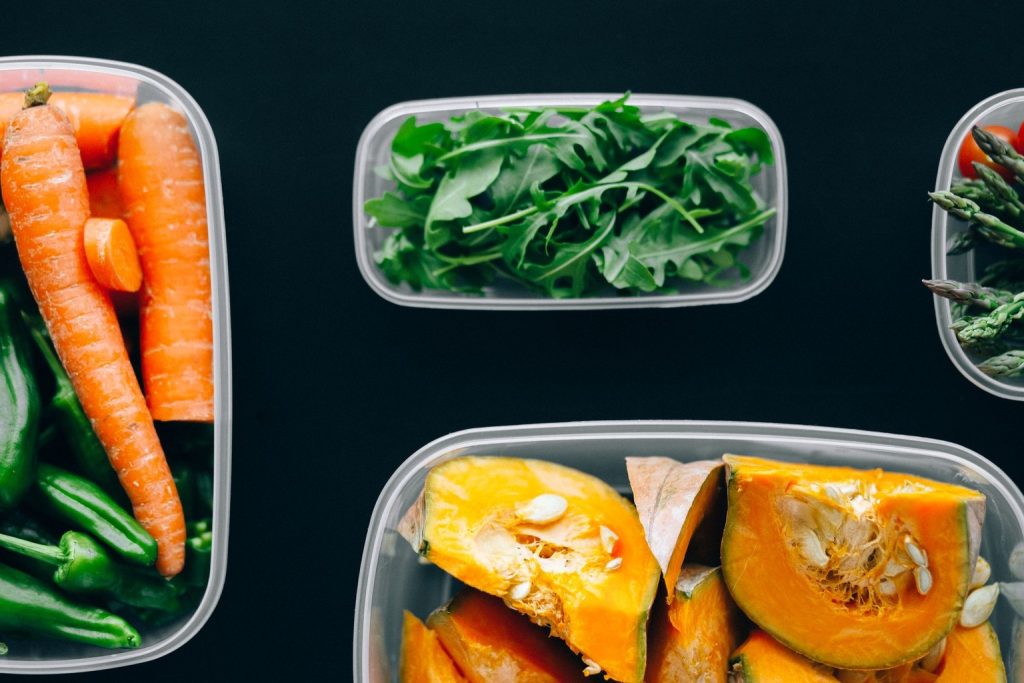
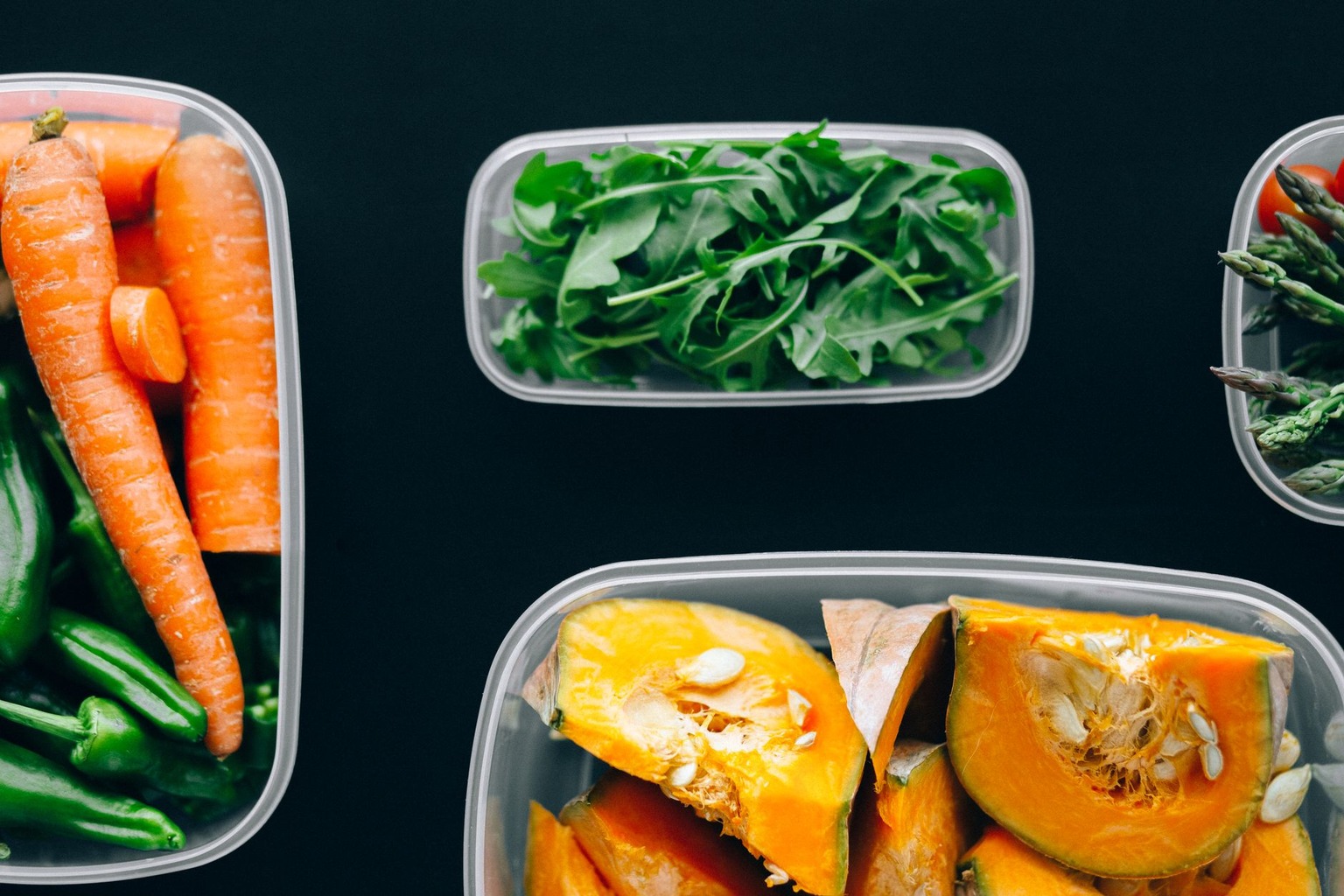
BPA free glass containers or heavy duty plastic meal prep trays are absolute necessities for storing your portions safely in the refrigerator or freezer. Make sure you have a reliable digital food scale that measures in both grams and ounces for precise macro tracking. Heavy baking sheets lined with parchment paper allow you to roast multiple batches of vegetables and chicken breasts simultaneously without creating a massive mess on your stovetop. Organization is the secret weapon of athletes who maintain year round leanness because it eliminates friction between you and your daily nutrition execution.
Executing the Bulk Cooking and Batching Strategy
Efficiency in the kitchen means cooking multiple food items concurrently so your entire weekly menu is finished in under two hours. Start your session by preheating your oven to four hundred degrees and tossing your chopped sweet potatoes and dense vegetables onto oiled baking sheets. While the oven handles the roasting process, fire up your stovetop burners to cook large batches of lean ground turkey or boil grains like brown rice. Multi tasking like this prevents you from standing around waiting for water to boil and ensures everything finishes cooking at roughly the same time.
Temperature control is crucial when you are batch cooking meats that you plan to reheat days later in a microwave or toaster oven. Pull your chicken breasts or steak off the heat slightly before they are completely done because residual heat finishes the cooking process inside the storage container. This simple technique stops your proteins from turning into dry, unpalatable leather when you microwave them for a quick lunch between work meetings. Season your food aggressively with dried herbs, garlic powder, and citrus juices instead of heavy bottled sauces that add unwanted sugars and empty calories.
Portioning and Weighing for Precision Results
Once your various food batches have cooled down to room temperature, line up your storage containers in a assembly line across your kitchen island. Place your digital scale on the counter, zero it out with an empty container, and start weighing your carbohydrate sources into each compartment. Dropping your rice or potatoes directly onto the scale guarantees absolute accuracy, which removes the guesswork that ruins so many amateur fitness journeys. Follow up by adding your weighed protein source and a generous serving of fibrous green vegetables to round out the nutritional profile of each meal.
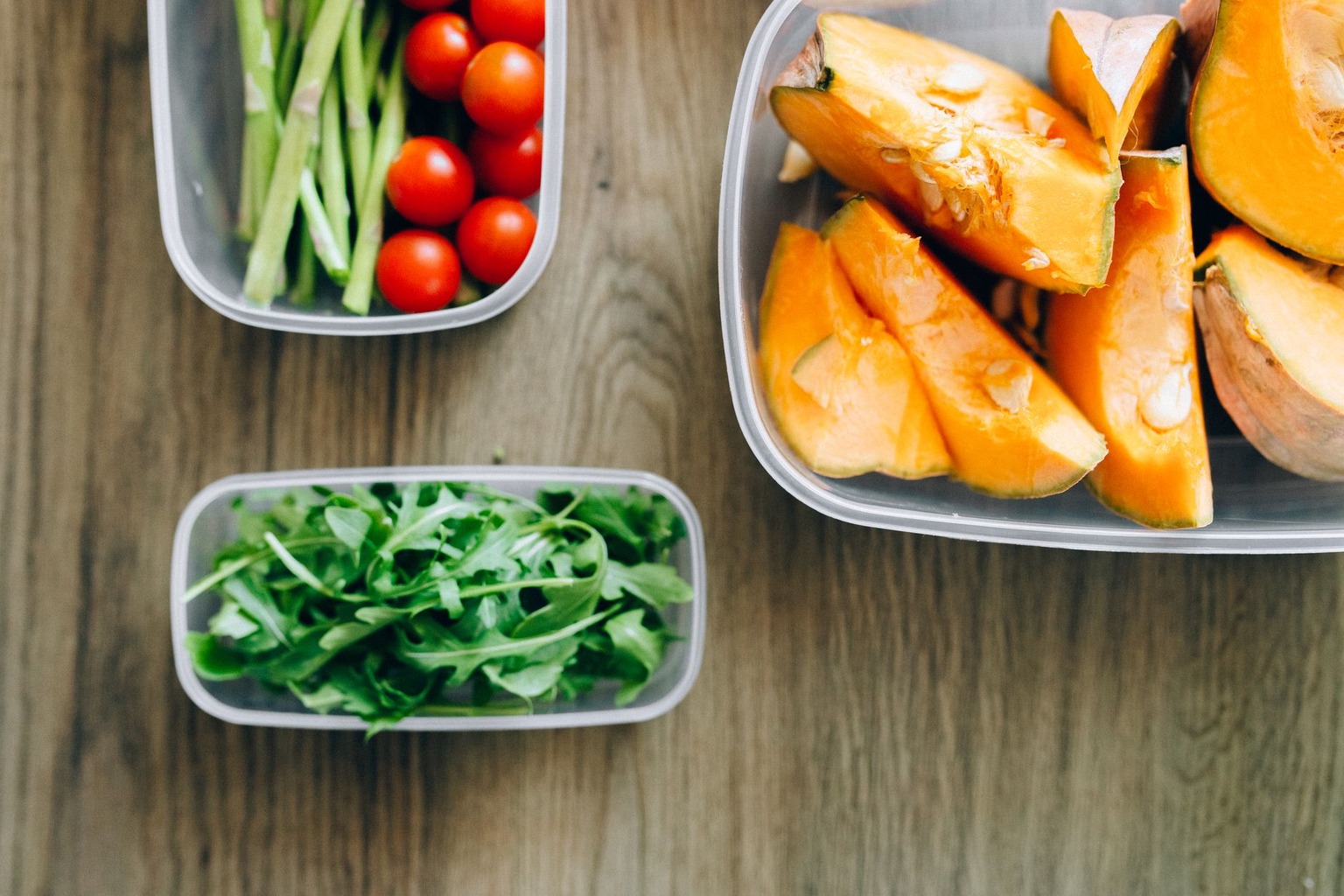
Labeling your containers with masking tape and a permanent marker is a smart habit if you follow a rotating menu with varying macro counts. Write down the specific meal number, day of the week, and whether it is a high carbohydrate training day or a low carbohydrate rest day. Stack your containers neatly in the refrigerator, placing the meals you plan to eat in the first forty eight hours right at the front for easy access. Freeze any meals intended for the latter half of the week to preserve freshness, and move them to the fridge the night before you plan to consume them.
Maintaining Consistency and Avoiding Common Pitfalls
The biggest mistake people make with weekly food preparation is creating a monotonous menu that leaves them bored and craving junk food by Wednesday afternoon. Combat flavor fatigue by utilizing different spice rubs, vinegars, and mustards to drastically alter the taste profiles of your standard chicken and rice base. If you absolutely despise eating the exact same meal two days in a row, prep versatile building blocks instead of fully assembled dishes. Cook plain proteins and grains, and then combine them with fresh sauces or different vegetable sides on the actual day you eat them.
Another frequent trap involves improper cooling and storage, which can lead to spoiled food and nasty gastrointestinal issues that ruin your training schedule. Never snap airtight lids onto piping hot food containers because trapped steam creates condensation that breeds bacteria and makes your vegetables soggy. Let your cooked batches breathe on the counter for twenty minutes before sealing them up and transferring them into the coldest part of your refrigerator. Treat your nutrition preparation with the same respect and intensity you bring to your heavy lifting sessions, and your physique will reflect that unwavering dedication.

I’ve always been fascinated by how the right nutrients can boost performance and recovery, so I spend my free time testing new sports drinks and supplements. Sharing what I learn helps others make informed choices for their fitness goals.