

If you’re serious about building muscle, optimizing recovery, or preventing age-related decline in performance, you’ve likely focused on protein, creatine, and maybe even omega-3s. Yet one nutrient often overlooked in the world of sports nutrition and muscle recovery is vitamin D. While it’s famous for its role in bone health, its impact on muscle function, strength, and even injury prevention is just as critical, especially for athletes, bodybuilders, and anyone pushing their physical limits. The problem isn’t just that many people are deficient (studies show up to 40% of the global population has suboptimal levels), but that even mild deficiencies can silently undermine your gains. Below, we’ll break down how vitamin D works in muscle health, how to test and supplement it effectively, and why you might be missing this key piece of the puzzle in your performance stack.
How Vitamin D Supports Muscle Function at the Cellular Level
Vitamin D isn’t just a vitamin, it’s a steroid hormone that binds directly to muscle cells, influencing everything from protein synthesis to nerve signaling. When vitamin D receptors (VDRs) on muscle fibers are activated, they enhance the expression of genes responsible for muscle growth, repair, and endurance. One of the most well-documented mechanisms is its role in calcium metabolism: vitamin D increases intestinal absorption of calcium, which is crucial for muscle contraction and nerve impulse transmission. Without sufficient vitamin D, calcium levels in the blood can drop, leading to muscle cramps, weakness, and even an increased risk of falls, particularly problematic for powerlifters or older athletes. Research also shows vitamin D modulates inflammatory pathways, reducing muscle soreness after intense training sessions, which is why many elite athletes and recovery-focused gym-goers include it in their supplement routines.
The connection between vitamin D and muscle performance isn’t just theoretical. A randomized controlled trial published in Nature found that peritoneal dialysis patients with sarcopenia (a condition marked by progressive muscle loss) experienced significant improvements in muscle mass and strength after 12 weeks of active vitamin D supplementation. While the study focused on a clinical population, the underlying mechanisms, like enhanced satellite cell activation (the muscle stem cells responsible for repair) and reduced oxidative stress, apply broadly to anyone training for hypertrophy or endurance. Even in younger, healthy individuals, suboptimal vitamin D levels have been linked to lower grip strength and reduced power output in resistance training, suggesting it’s not just a “silent” deficiency but one that actively holds back performance.
Signs You Might Be Deficient, and Why It’s Harder to Spot Than You Think
The classic symptoms of vitamin D deficiency, fatigue, bone pain, or frequent illnesses, are vague and easy to dismiss, especially for athletes who attribute muscle soreness or sluggish recovery to overtraining or poor sleep. Yet subtle signs like reduced endurance during cardio sessions, slower progress in strength training, or an inability to maintain explosive movements (like sprinting or plyometrics) can point to low vitamin D levels. For example, studies have shown that athletes with insufficient vitamin D often report higher perceived exertion during workouts, meaning they feel like they’re working harder for the same results. Another red flag is delayed-onset muscle soreness (DOMS): vitamin D helps regulate muscle repair proteins, so deficiencies can prolong recovery times between sessions, making it harder to stick to a consistent training plan.
What makes deficiency even trickier to diagnose is that sunlight exposure, traditionally the primary source of vitamin D, isn’t enough for most people, especially those in northern latitudes, urban environments with high pollution, or individuals with darker skin tones. Even if you’re hitting the gym daily, if you’re not supplementing or getting targeted sun exposure (like midday sunlight on arms and legs for 10–15 minutes, three times a week), your levels could still be in the deficient or insufficient range. Blood tests are the gold standard for diagnosis, with optimal levels typically defined as 30–50 ng/mL (75–125 nmol/L), while levels below 20 ng/mL (50 nmol/L) are considered deficient. If you’re unsure, a simple blood panel from a healthcare provider can reveal whether your vitamin D is working against you, or if you’re already in the sweet spot.
Step-by-Step Guide to Testing and Correcting Your Vitamin D Levels
If you suspect a deficiency, the first step is testing. Most labs offer a 25-hydroxy vitamin D (25(OH)D) test, which measures the storage form of vitamin D in your blood. Schedule this test in the morning, fasting, to get accurate results. Once you have your levels, here’s how to interpret them and act:
On the Doctor Alex channel they cover the connection between vitamin D and muscle growth, and you can watch it right here.

If your levels are below 20 ng/mL (deficient): Start with a high-potency supplement, look for D3 (cholecalciferol), the bioavailable form, in doses of 5,000 IU per day for 4–6 weeks. Re-test after this period to avoid oversupplementation, which can lead to calcium imbalances. If your levels remain low, your doctor may recommend a short-term higher dose (up to 50,000 IU weekly) under supervision. Pair this with 10–15 minutes of midday sun exposure, 3–4 times per week, to boost endogenous production. Avoid over-reliance on sun exposure alone, UVB rays are seasonal and less effective in winter or high-altitude climates.
If your levels are between 20–29 ng/mL (insufficient): A daily dose of 2,000–3,000 IU of D3 should bring you into the optimal range over 2–3 months. For athletes, consider a daily multivitamin with vitamin D3 (many pre-workout or recovery blends include it) to maintain consistency. Also, adjust your diet to include fatty fish (salmon, mackerel), egg yolks, and fortified foods like plant-based milks or cereals, though these sources alone won’t suffice if you’re deficient. Monitor your energy levels and recovery, if you notice improvements in strength or reduced soreness, your levels are likely improving.
If your levels are 30 ng/mL or higher (optimal): Maintenance is key. For most people, 1,000–2,000 IU per day is sufficient, but athletes or those with limited sun exposure may need 3,000–5,000 IU daily. Avoid megadoses without testing, excess vitamin D can lead to hypercalcemia, a condition where calcium builds up in your blood, causing nausea, kidney stones, or even heart rhythm issues. If you’re taking other supplements like calcium or magnesium, ensure they’re balanced; vitamin D enhances calcium absorption, so excess calcium intake can compound risks.
Practical Ways to Boost Vitamin D Through Diet and Supplements
While supplementation is the fastest way to correct deficiencies, diet can play a supporting role, especially for those who prefer whole-food sources. The most potent dietary sources of vitamin D include fatty fish like wild-caught salmon (one 3.5-ounce serving provides ~450 IU), sardines (~270 IU per serving), and mackerel (~280 IU). Cod liver oil, a staple in many performance diets, packs a whopping 1,360 IU per tablespoon, making it one of the most concentrated natural sources. For vegetarians or those avoiding fish, fortified foods like plant-based milks (often fortified with 100–150 IU per cup) or mushrooms exposed to UV light (which synthesize vitamin D2) can help, though these are less bioavailable than D3.
When choosing supplements, prioritize liquid or softgel D3 over capsules, as they’re absorbed more efficiently and often contain higher potency per serving. Brands like NOW Foods, Thorne, or Pure Encapsulations offer third-party tested options with no fillers or binders that could interfere with absorption. Timing matters too: take your supplement with a fat source (like olive oil, avocado, or a meal with healthy fats) to enhance absorption, as vitamin D is a fat-soluble nutrient. If you’re taking it in the morning, avoid evening doses if you’re sensitive to light, some studies suggest high vitamin D intake before bed can disrupt circadian rhythms, though this is less of a concern for most athletes.
A common mistake is assuming that a single high-dose supplement will fix everything. While a one-time boost of 50,000 IU might spike your levels temporarily, it’s not sustainable. Instead, opt for consistent, moderate dosing (e.g., 3,000 IU daily) to maintain optimal levels year-round. If you’re training in a gym with limited natural light, consider pairing your supplement with a vitamin D3 + K2 blend, K2 helps direct calcium into bones and away from arteries, reducing the risk of calcification that can occur with high vitamin D intake. This combo is especially useful for older athletes or those with metabolic conditions.
Common Mistakes That Sabotage Vitamin D’s Muscle Benefits
Even if you’re supplementing correctly, certain habits can undermine vitamin D’s role in muscle health. One of the biggest is ignoring the synergies between nutrients. Vitamin D works best when paired with magnesium, which helps regulate muscle relaxation and nerve function. Many athletes take magnesium glycinate or citrate in the evening, but if you’re also supplementing with vitamin D, ensure your magnesium intake is adequate, low magnesium can reduce vitamin D’s effectiveness by limiting its receptor activity in muscles. A deficiency in either can lead to cramps, spasms, or even insomnia, which indirectly hampers recovery.
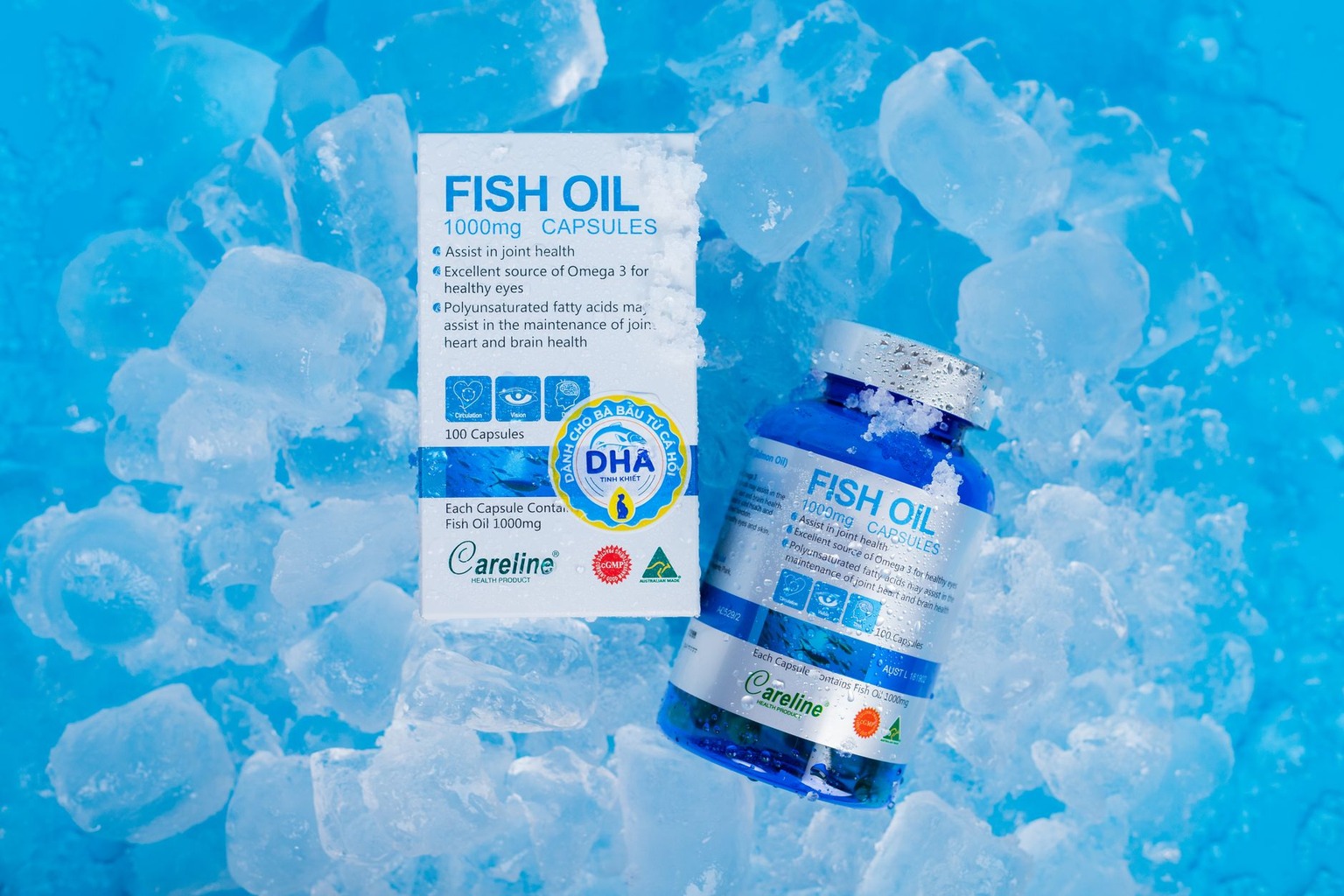
Another frequent error is overlooking the role of vitamin D in inflammation. Chronic low-level inflammation, common in overtrained athletes, can deplete vitamin D levels, creating a vicious cycle where muscle recovery suffers. To break this, pair your vitamin D with omega-3 fatty acids (from fish oil or algae-based supplements) to reduce inflammatory markers like IL-6 and TNF-alpha, which are elevated in both deficiency and poor recovery states. Studies show that athletes with optimal vitamin D levels also have lower markers of muscle damage post-exercise, meaning their workouts are more efficient and less taxing on the body.
Finally, many people assume that more vitamin D is always better, leading to megadosing without monitoring. While vitamin D toxicity is rare (it requires consistent intake of 10,000–25,000 IU daily for months), it’s still risky. Instead of guessing, re-test every 3–6 months if you’re supplementing long-term, especially if you’re also taking calcium or other fat-soluble vitamins. Another pitfall is skipping sun exposure entirely while relying solely on supplements. While supplements are convenient, natural sunlight triggers additional pathways that support muscle function beyond just vitamin D production, like boosting serotonin and nitric oxide, which improve endurance and blood flow. Aim for 10–30 minutes of midday sun 3–4 times per week, even on cloudy days, to maximize these benefits.
How to Time Vitamin D for Maximum Muscle Recovery
The timing of your vitamin D intake can influence its effectiveness, particularly for muscle recovery and performance. Research suggests that taking vitamin D with a meal containing protein and healthy fats (like a post-workout shake with whey protein and almond butter) enhances absorption and utilization by the muscles. This is because vitamin D is fat-soluble, and the presence of protein provides the amino acids needed for muscle repair pathways it activates. For example, a study in Frontiers in Nutrition found that athletes who supplemented with vitamin D post-exercise had faster reductions in muscle soreness and improved strength gains over a 4-week period compared to those who took it at other times.
If you’re training in the evening, consider splitting your vitamin D dose, take half with breakfast and half with dinner, to maintain steady levels throughout the day. This approach is particularly useful for endurance athletes or those in strength training programs with multiple sessions per week, as it helps sustain the hormone’s anabolic effects. Another strategy is to time your vitamin D with creatine, another well-researched muscle-supporting nutrient. While they work through different mechanisms, both enhance muscle hydration and strength, and their combined effects on power output have been documented in studies on older adults. Pairing them in a pre-workout or intra-workout blend can amplify their benefits, though creatine’s timing is less critical than vitamin D’s.
For those who train in low-light environments (like gyms without natural light or winter months), morning sunlight exposure followed by a vitamin D supplement later in the day can create a synergistic effect. Sunlight triggers the production of vitamin D in the skin, while the supplement ensures you’re not relying solely on endogenous synthesis, which can be inconsistent. This dual approach is especially valuable for athletes in northern climates or those with darker skin, who may need up to three times the sun exposure of lighter-skinned individuals to produce the same amount of vitamin D. Pair this with a post-workout collagen peptide supplement, collagen synthesis is also vitamin D-dependent, and combining the two can further support tendon and joint integrity, reducing injury risk.

I’ve always been fascinated by how the right nutrients can boost performance and recovery, so I spend my free time testing new sports drinks and supplements. Sharing what I learn helps others make informed choices for their fitness goals.