
After a demanding training session or a long ride, the window for repairing muscle fibers and refilling glycogen stores closes quickly. A well‑designed protein smoothie can deliver the exact mix of amino acids, carbohydrates, and recovery nutrients that your body craves, while also fitting into a busy lifestyle. The key is to treat the smoothie as a targeted post‑workout supplement rather than a generic snack, aligning its composition with the specific demands of the sport you practice. By following a step‑by‑step plan you can craft a drink that supports muscle synthesis, reduces soreness, and prepares you for the next training block without excess calories or unnecessary additives.
Assess Your Recovery Goals and Timing
Before you reach for a blender, clarify what you need to recover from. Endurance athletes typically require a higher carbohydrate load to replenish depleted glycogen, while strength‑focused lifters benefit from a larger dose of fast‑absorbing protein to trigger muscle protein synthesis. Aim to consume your smoothie within 30 to 45 minutes after exercise, when insulin sensitivity peaks and nutrient uptake is most efficient. Write down the type of workout, its duration, and perceived intensity; this data will help you fine‑tune the macro ratios for each session and avoid a one‑size‑fits‑all approach.
Set measurable targets for each nutrient. Research suggests 20 to 30 grams of high‑quality protein per recovery drink maximizes the anabolic response, while 40 to 60 grams of carbohydrate can restore energy reserves after prolonged effort. If you are training twice a day, consider splitting the intake into two smaller smoothies to keep digestion comfortable. Recording these targets in a simple notebook or app creates a baseline you can adjust as strength gains or endurance improvements become evident.
Choose the Right Protein Source for Your Smoothie
Not all protein powders are created equal, and the source you select influences digestion speed, amino acid profile, and taste. Whey isolate delivers a rapid surge of branched‑chain amino acids, making it ideal for immediate post‑workout use, while whey concentrate offers a slightly slower release and a richer flavor. For athletes with lactose sensitivity, plant‑based options such as pea, rice, or soy provide comparable leucine content when blended in a complementary ratio. Look for products that list at least 80 percent protein by weight and contain minimal added sugars or artificial flavors to keep the smoothie clean and effective.
Beyond the powder, whole‑food proteins can enhance texture and nutrient density. Greek yogurt adds casein, which digests more slowly and extends the protein supply over several hours, while cottage cheese contributes calcium and a creamy mouthfeel. Egg whites, when pasteurized, supply an almost pure protein source without fat, and can be whisked directly into the blender. Combining a fast‑acting whey scoop with a slower‑digesting dairy component creates a biphasic release that supports both immediate repair and longer‑term recovery.
Balance Carbs, Fats, and Micronutrients for Optimal Replenishment
Carbohydrates are the primary fuel for glycogen restoration, and the type you choose matters. Simple sugars such as maltodextrin or fruit juices raise insulin quickly, facilitating nutrient transport into muscle cells. However, pairing them with a modest amount of fiber from oats, banana, or berries prevents a rapid blood‑sugar spike and adds antioxidants that combat exercise‑induced oxidative stress. Aim for a 3:1 to 4:1 carbohydrate‑to‑protein ratio after endurance sessions, adjusting downward for strength workouts where protein takes precedence.
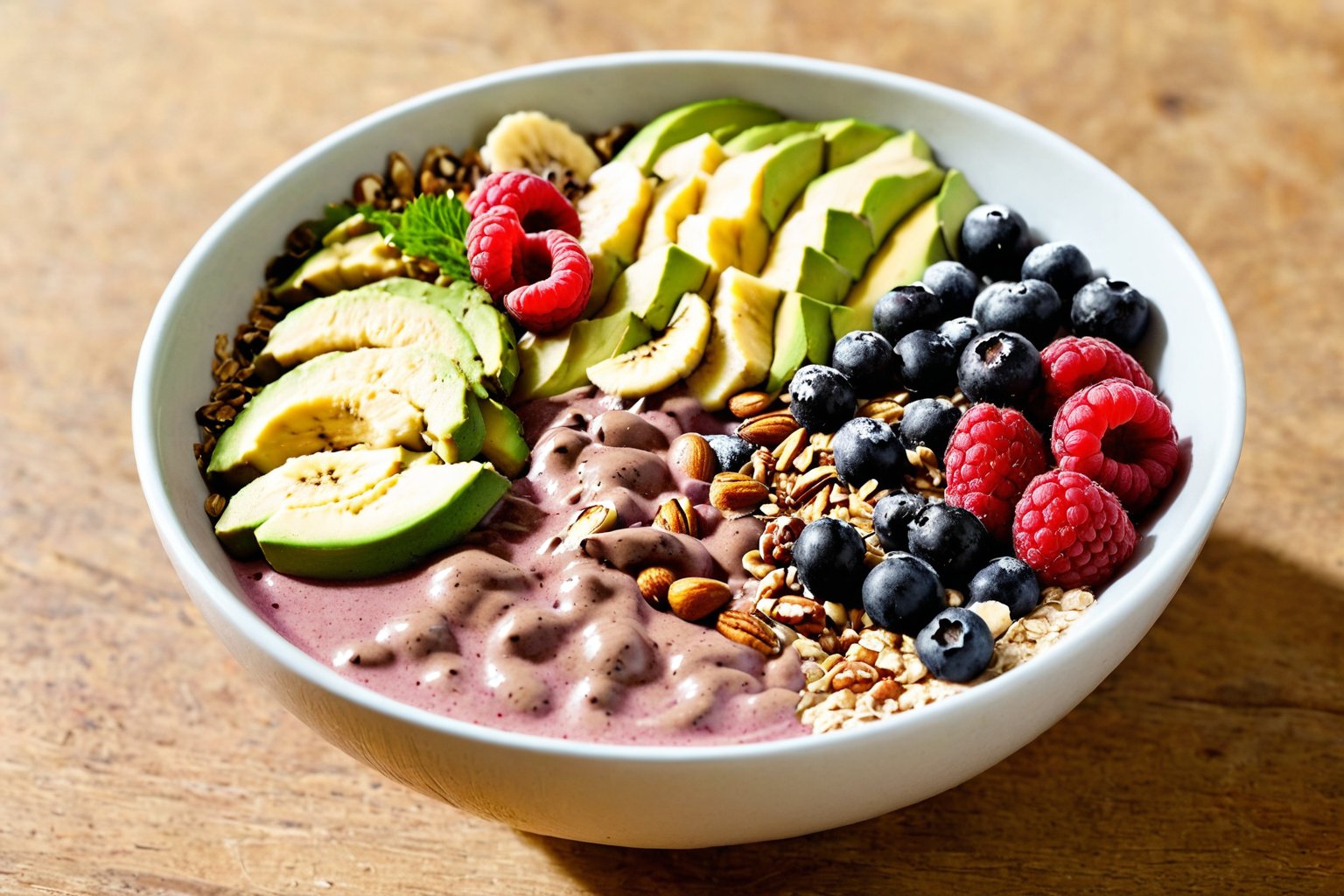
If you want a closer look at high-protein blending, Joseph Abell covers this on his channel—you can watch it right here.
Healthy fats should not be ignored, as they support hormone production and joint health. A tablespoon of nut butter, a quarter of an avocado, or a splash of flaxseed oil supplies omega‑3 and omega‑6 fatty acids that aid inflammation control. Micronutrients such as potassium, magnesium, and vitamin C are abundant in tropical fruits, leafy greens, and citrus zest, and they play crucial roles in muscle contraction, electrolyte balance, and collagen synthesis. Including a handful of spinach or a squeeze of lime can turn a bland shake into a nutrient‑dense recovery tool.
Build a Basic Recipe Framework and Portion Control
Start with a simple scaffold that you can modify according to the workout data you recorded earlier. A reliable base consists of 250 ml of liquid (water, low‑fat milk, or a plant‑based alternative), one scoop of protein powder (about 25 g protein), 150 g of fruit for carbs and flavor, and a tablespoon of a healthy fat source. Blend until smooth, then taste and adjust thickness with additional liquid or a few ice cubes. This framework yields roughly 350‑400 kcal, a sweet spot for most post‑exercise needs without overloading the digestive system.
Portion control is essential for staying within daily macronutrient goals. Use a kitchen scale to measure protein powder, fruit, and fat additions, and keep a log of the total calories and macro breakdown. If you find the smoothie too calorie‑dense for a light training day, simply reduce the fruit portion or swap full‑fat milk for water. Conversely, on a marathon‑training week, increase the carbohydrate component by adding a half‑cup of cooked quinoa or a spoonful of honey to meet higher glycogen demands.
Customize with Performance‑Boosting Add‑Ins
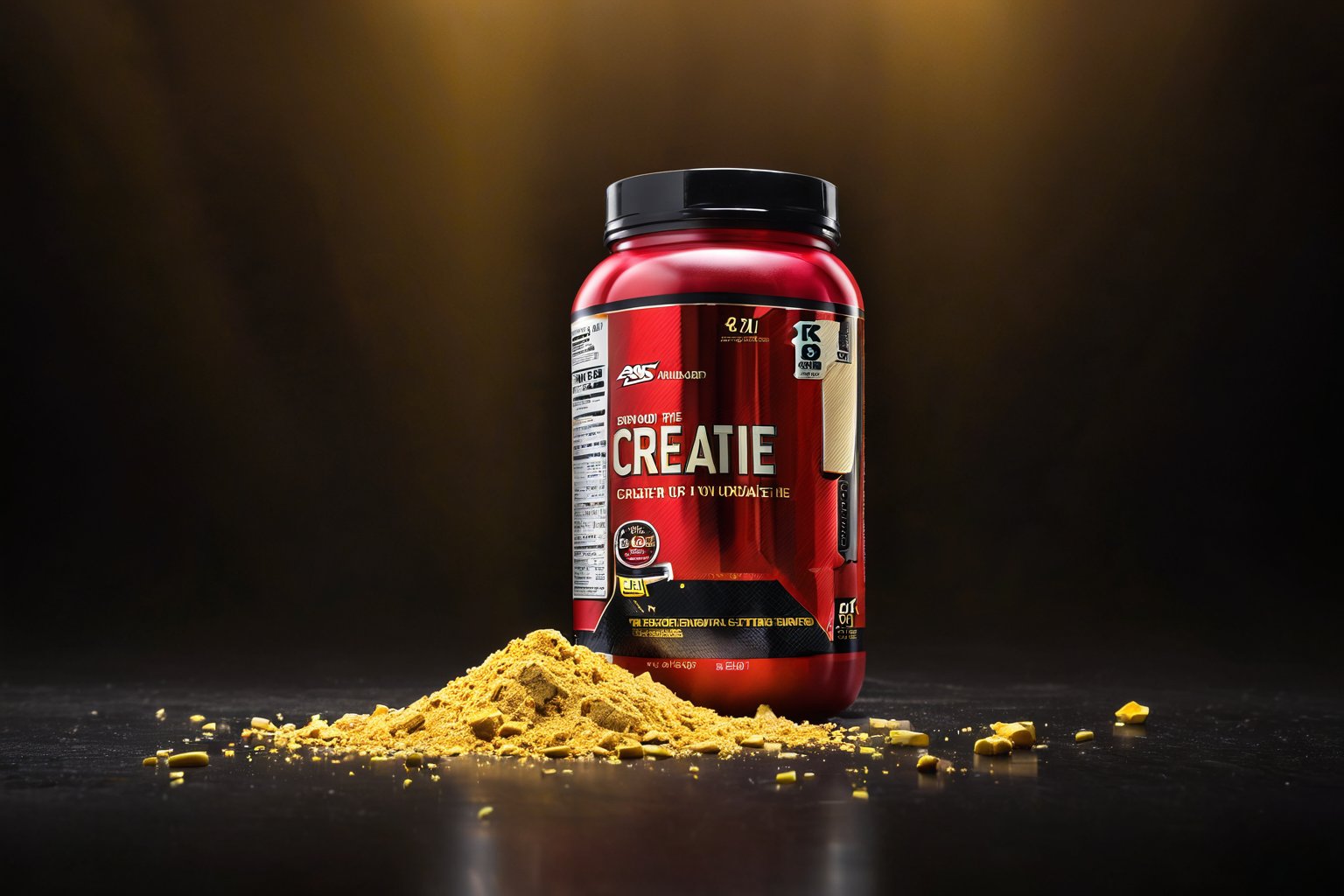
Beyond the core ingredients, a handful of scientifically backed add‑ins can give your recovery drink an extra edge. Creatine monohydrate, at a dose of five grams, supports phosphocreatine replenishment and has been shown to improve strength gains when taken consistently. Beta‑alanine, in amounts of 2 to 3 grams, can buffer muscle acidity and reduce fatigue during high‑intensity intervals, though it may cause a harmless tingling sensation. Both powders dissolve well in a smoothie and do not alter taste significantly.
Electrolyte powders containing sodium, potassium, and magnesium help replace the salts lost through sweat, especially in hot climates or long rides. Adding a scoop of a natural caffeine source, such as green tea extract, can reduce perceived muscle soreness and improve mental alertness for athletes who train twice a day. Finally, consider adaptogenic herbs like ashwagandha or rhodiola for stress modulation; a teaspoon of a powdered extract blends seamlessly and may aid recovery by moderating cortisol spikes.
Avoid Common Pitfalls and Track Your Progress
One frequent mistake is relying on sweetened pre‑made mixes that hide excess sugar and artificial additives. These can sabotage glycogen recovery by causing insulin resistance over time and add unnecessary calories that hinder body composition goals. Instead, craft your own smoothie with whole ingredients and a clean protein powder, and keep an eye on the total sugar content, aim for less than 20 grams per serving unless you are in a high‑carb training phase. Another error is neglecting hydration; a smoothie should complement water intake, not replace it, so sip additional fluids throughout the recovery window.
To gauge effectiveness, record how you feel after each post‑workout shake: note muscle soreness, energy levels, and any digestive issues. Pair these subjective notes with objective data such as body weight, strength numbers, or race times, and adjust the recipe accordingly. Over weeks, you may discover that a slightly higher fat ratio improves joint comfort, or that adding a pinch of sea salt reduces cramping on long rides. Consistent tracking transforms a tasty beverage into a personalized recovery system that evolves with your training demands.

I’ve always been fascinated by how the right nutrients can boost performance and recovery, so I spend my free time testing new sports drinks and supplements. Sharing what I learn helps others make informed choices for their fitness goals.