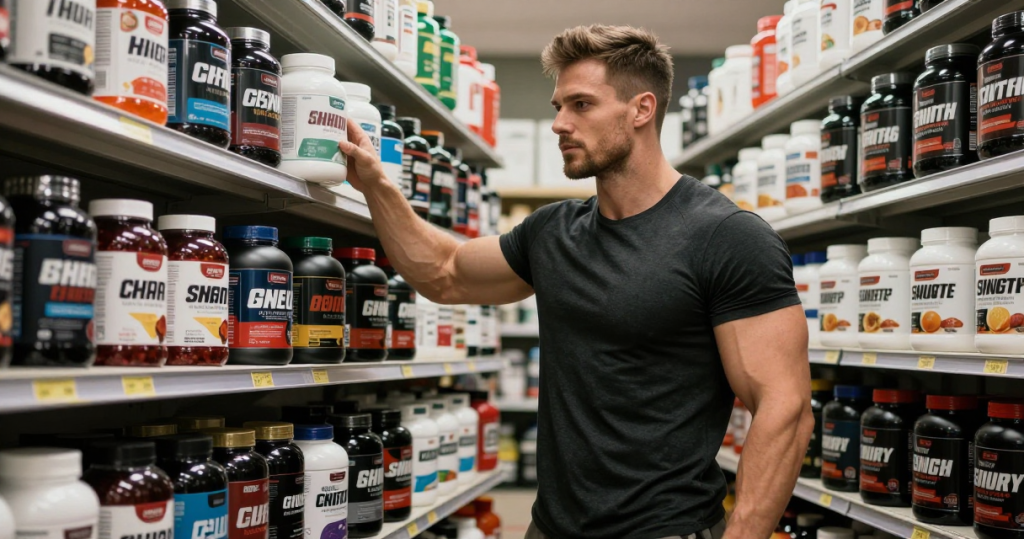
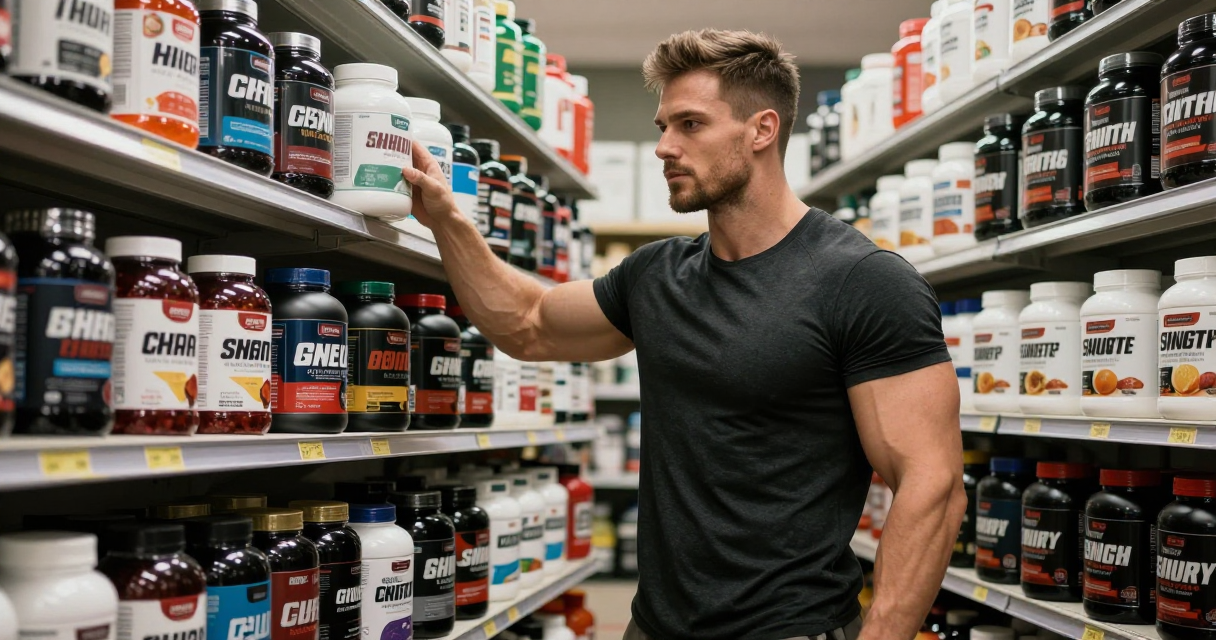
Sports supplements have become a staple on the shelves of gyms and nutrition stores, promising faster recovery, stronger performance, or sharper focus. Yet the rapid growth of this market has outpaced the scientific scrutiny that many athletes rely on for their training plans. Understanding how to navigate safety concerns is essential for anyone who mixes protein powders, electrolyte drinks, or specialty blends into their daily routine. This overview breaks down the most important safety considerations, from regulatory oversight to practical habits that protect health while still reaping the benefits of well‑chosen supplements.
Understanding the Regulatory Landscape for Sports Supplements
In many countries, sports supplements are classified as foods rather than medicines, which means they escape the rigorous testing required for pharmaceuticals. Agencies such as the U.S. Food and Drug Administration oversee labeling claims but do not verify the purity or potency of the ingredients before they reach the consumer. Because of this gap, manufacturers can launch products with minimal pre‑market evidence, relying on internal quality checks that vary widely from one brand to another. Athletes should therefore treat any supplement label as a starting point, not a guarantee of safety.
Some third‑party organizations have stepped in to fill the regulatory void by offering certification programs that audit manufacturing processes. Certifications from groups like NSF International or Informed‑Sport indicate that a product has been tested for banned substances and heavy metals, and that the facility follows Good Manufacturing Practices. While these seals are not mandatory, they provide a higher level of confidence that the supplement contains what the label declares and that it is free from contaminants that could jeopardize health or competition eligibility.
Common Ingredients and Their Risk Profiles
Creatine monohydrate, whey protein, and branched‑chain amino acids dominate the supplement aisles because they have a strong evidence base for supporting muscle strength and recovery. Creatine, when taken at recommended doses of 3–5 grams per day, is generally regarded as safe for healthy adults, although individuals with pre‑existing kidney issues should consult a physician before use. Whey protein, derived from dairy, can trigger digestive upset in those with lactose intolerance, prompting many athletes to opt for isolate forms or plant‑based alternatives.
Electrolyte drinks and caffeine‑based boosters present a different set of concerns. High sodium content in some sports drinks can exacerbate hypertension if consumed in excess, while caffeine doses above 400 mg per day may lead to jitteriness, elevated heart rate, or sleep disturbances. Certain “greens” powders contain concentrated extracts of herbs like yohimbine or synephrine, which have been linked to cardiovascular strain in susceptible individuals. Recognizing these risk profiles helps athletes match supplements to their personal health status and training demands.
How to Evaluate Product Labels for Safety
Reading a supplement label goes beyond spotting the amount of protein or creatine per serving. The ingredient list should be examined for proprietary blends, which often hide the exact quantities of each component and make it difficult to assess dose‑related risks. Look for clear declarations of added sugars, artificial sweeteners, or allergens such as gluten and soy, especially if you have dietary sensitivities. Additionally, the label should state the manufacturing batch number and expiration date, providing traceability in case of a recall.
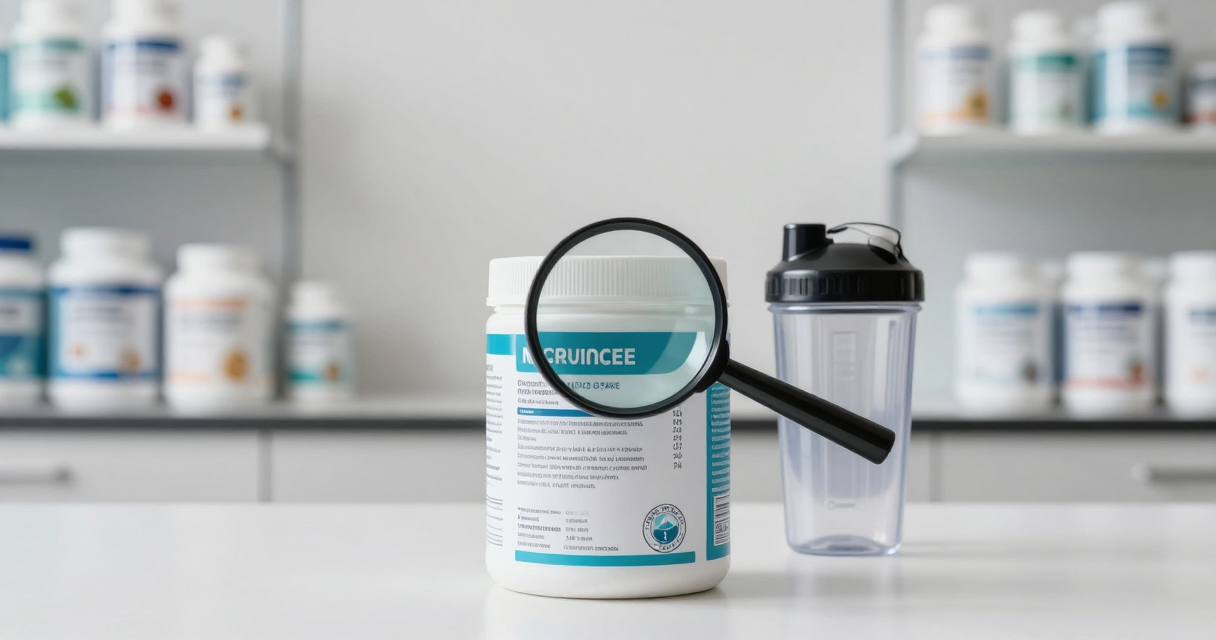
Claims that a product is “all‑natural” or “free of additives” are not regulated terms, so they should be taken with a grain of salt. Instead, focus on whether the label includes third‑party testing symbols, a full disclosure of active ingredients, and a contact point for consumer inquiries. Manufacturers that provide a detailed FAQ or scientific references for their formulas demonstrate a commitment to transparency that can be a proxy for safety diligence.
Specific Concerns for Adolescents and Young Athletes
Teenagers undergoing rapid growth and hormonal changes are especially vulnerable to the effects of certain supplements. Research on creatine use in adolescents shows that, when dosed appropriately, it does not impair kidney function, yet the long‑term impact on developing bodies remains under‑studied. Because of this uncertainty, many sports medicine professionals advise limiting creatine to athletes over 18 years old unless a qualified health professional supervises its use.
Protein powders marketed toward younger users often contain added vitamins and minerals that can exceed recommended daily allowances when combined with a balanced diet. Excessive intake of nutrients such as vitamin A or iron can lead to toxicity, manifesting as liver strain or gastrointestinal distress. Parents and coaches should therefore prioritize whole‑food sources of protein and only consider supplements when dietary intake clearly falls short of performance goals.
Interactions with Medications and Underlying Health Conditions
Supplements can interact with prescription drugs in ways that alter therapeutic effectiveness or increase side‑effect risk. For instance, high doses of magnesium found in some recovery drinks may interfere with the absorption of certain antibiotics, while caffeine can amplify the effects of stimulant medications used for attention‑deficit disorders. Athletes taking blood thinners should be cautious with vitamin K‑rich greens powders, as they may counteract anticoagulant therapy.
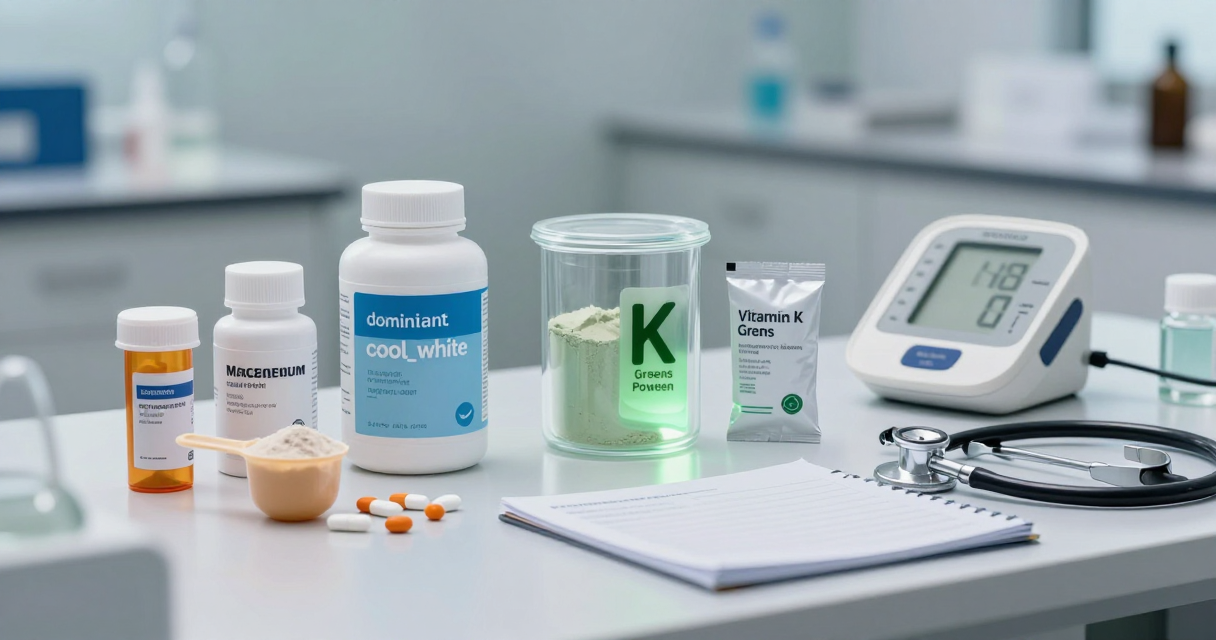
Underlying health conditions such as hypertension, diabetes, or liver disease also dictate which supplements are appropriate. Electrolyte formulas high in potassium can be dangerous for individuals with kidney impairment, potentially leading to dangerous cardiac arrhythmias. Diabetic athletes need to monitor carbohydrate content in sports drinks to avoid spikes in blood glucose, especially during prolonged endurance events. Consulting a healthcare provider before starting any new supplement regimen is a prudent step that safeguards against hidden hazards.
Practical Steps to Minimize Risks While Using Supplements
Start with a single product and monitor how your body responds before adding more items to your regimen. Keeping a simple log that records the supplement name, dosage, timing, and any physical sensations can reveal patterns such as gastrointestinal upset or changes in energy levels. Choosing products from reputable brands that publish third‑party testing results reduces the likelihood of contamination with heavy metals or banned substances.
Hydration status and nutrient timing play crucial roles in how supplements are processed. Consuming a protein shake with a balanced meal rather than on an empty stomach can improve amino acid absorption and lessen digestive discomfort. Similarly, pairing electrolyte drinks with water during hot training sessions helps maintain osmotic balance without overwhelming the kidneys with excess salts. By integrating these practical habits, athletes can enjoy the performance benefits of sports supplements while keeping safety firmly in view.

I’ve always been fascinated by how the right nutrients can boost performance and recovery, so I spend my free time testing new sports drinks and supplements. Sharing what I learn helps others make informed choices for their fitness goals.