

After a hard training session the body is in a state of depletion, depleted glycogen stores, micro‑tears in muscle fibers, and an electrolyte imbalance caused by sweat loss. A recovery drink is designed to address those deficits quickly, allowing athletes to maintain performance across multiple workouts in a week. The timing of nutrient delivery is as important as the ingredients themselves; consuming the right blend within thirty minutes of finishing a session can accelerate protein synthesis and reduce soreness. For people who balance strength training with endurance work, the ability to recover faster translates into more consistent progress and fewer missed sessions due to fatigue. Understanding how each component works together helps you choose a product that truly supports your goals.
Core macronutrient balance in recovery formulations
Effective recovery drinks typically combine protein, carbohydrates, and electrolytes in ratios that mirror the body’s immediate needs. A common guideline is to provide about 20‑30 grams of high‑quality protein alongside 30‑60 grams of carbohydrate per serving, a combination that maximizes muscle protein synthesis while replenishing glycogen. The protein source influences digestion speed; whey isolates are absorbed quickly, making them ideal for post‑workout use, whereas casein releases amino acids more slowly and can be useful later in the day. Carbohydrates are often sourced from maltodextrin, dextrose, or fruit‑derived sugars, each offering a different glycemic response that can be tailored to the athlete’s training intensity.
Beyond the primary macronutrients, many formulations include a modest amount of healthy fats, such as medium‑chain triglycerides, to support cellular repair and hormone balance. While fats slow gastric emptying, the small quantities used in recovery drinks usually do not hinder rapid nutrient uptake. The overall calorie content of a drink should align with the individual’s energy expenditure; a 300‑kilocalorie beverage may be perfect after a long run, while a 150‑kilocalorie option might suit a shorter, high‑intensity interval session. Matching the drink’s macronutrient profile to the specific demands of each workout ensures optimal recovery without unnecessary excess.
Protein quality and amino acid composition
The protein component of a recovery drink must contain all essential amino acids, especially the branched‑chain amino acids leucine, isoleucine, and valine, which directly stimulate muscle protein synthesis. Research shows that a leucine dose of roughly 2‑3 grams per serving is sufficient to trigger the anabolic pathway in most adults. Whey protein, with its high leucine content, remains the gold standard, but many athletes now opt for plant‑based blends that combine pea, rice, and hemp proteins to achieve a complete amino acid profile. These blends can be fortified with additional BCAA powders to ensure the same anabolic effect as animal‑derived proteins.
For individuals with digestive sensitivities, hydrolyzed protein powders are an alternative, as the pre‑digested peptides reduce the likelihood of gastrointestinal discomfort. Some recovery drinks also incorporate glutamine, an amino acid that supports immune function and gut health, although its direct impact on muscle repair is still debated. Regardless of the source, the key is to consume the protein within the post‑exercise window when the muscles are most receptive to nutrient uptake, typically within the first hour after training.
Carbohydrate types and glycogen restoration
Carbohydrates in recovery drinks serve to refill depleted glycogen stores, the primary fuel for high‑intensity activities. Simple sugars like glucose and maltodextrin are absorbed rapidly, delivering a quick surge of energy that can be especially valuable after a sprint or a heavy lifting session. In contrast, complex carbohydrates such as oat flour or tapioca starch provide a steadier release, which can be advantageous for longer endurance events where sustained recovery is needed. The glycemic index of the carbohydrate source influences how quickly blood sugar rises and how efficiently glycogen is stored in muscle tissue.
Most experts recommend a carbohydrate‑to‑protein ratio of 2 : 1 for optimal glycogen replenishment, meaning that a drink containing 30 grams of protein should also contain around 60 grams of carbohydrate. This ratio supports both muscle repair and energy restoration without causing a sharp insulin spike that could lead to rapid fat storage. Athletes who train multiple times per day may benefit from a higher carbohydrate load to ensure that each session starts with full glycogen reserves, while those focusing on weight management might choose a lower‑carb formulation to keep total caloric intake in check.
Electrolyte composition and fluid balance
Sweat loss during exercise expels not only water but also vital electrolytes such as sodium, potassium, magnesium, and calcium. A well‑designed recovery drink replaces these minerals to prevent cramps, maintain nerve function, and support proper muscle contraction. Sodium is the most abundant electrolyte lost in sweat, and concentrations of 300‑500 mg per serving are common in many sports beverages. Potassium, which helps regulate fluid balance inside cells, is typically added at 150‑250 mg per serving, while magnesium and calcium are included in smaller amounts to aid in muscle relaxation and bone health.
The presence of electrolytes also improves water absorption in the intestines, a phenomenon known as the sodium‑glucose co‑transport mechanism. By pairing sodium with a modest amount of carbohydrate, recovery drinks enhance rehydration efficiency compared with plain water. Athletes training in hot climates or at high altitude may require higher electrolyte doses, while those exercising in cooler environments might need less. Adjusting the electrolyte content to match personal sweat rates can be done by tracking weight loss during workouts and calculating the corresponding mineral loss.
Micronutrients, antioxidants, and functional add‑ons
Beyond the core nutrients, many recovery drinks are fortified with vitamins and antioxidants that help mitigate oxidative stress generated by intense training. Vitamin C and vitamin E are common additions, protecting cell membranes from free‑radical damage and supporting the immune system during periods of heavy load. Polyphenol extracts from berries or green tea provide additional antioxidant capacity, which can reduce delayed‑onset muscle soreness and improve overall recovery quality. These ingredients are typically present in low milligram amounts, enough to complement the primary nutrients without overwhelming the body’s natural balance.
Functional ingredients such as taurine, creatine, and adaptogenic herbs are also gaining popularity in recovery formulations. Taurine supports cardiovascular function and may enhance fluid balance, while creatine improves phosphocreatine stores, allowing for quicker ATP regeneration in subsequent workouts. Adaptogens like rhodiola or ashwagandha are intended to modulate stress hormones and promote a calmer recovery state, though scientific evidence varies. When selecting a product, it is important to consider whether these extras align with personal performance goals and whether any of them might interact with medications or pre‑existing health conditions.
Reading labels and matching drinks to individual goals
The first step in choosing a recovery drink is to scrutinize the ingredient list and nutrition facts panel. Look for a clear protein source, a carbohydrate amount that fits the recommended 2 : 1 ratio, and an electrolyte profile that matches your sweat loss. Avoid products that contain excessive added sugars, artificial colors, or unnecessary fillers, as these can add unwanted calories and potentially cause gastrointestinal upset. The presence of a “complete protein” claim indicates that the product supplies all essential amino acids, which is a key factor for muscle repair.
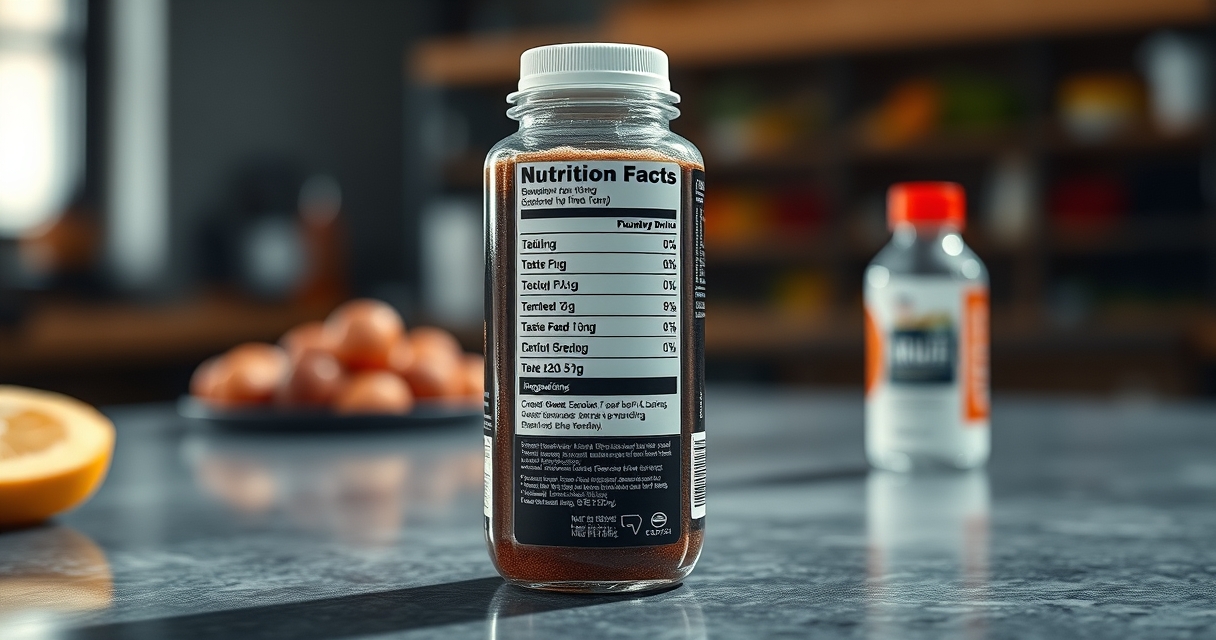
Personal training objectives dictate the ideal formulation. Strength athletes often prioritize higher protein content and may accept a lower carbohydrate load, whereas endurance runners benefit from a greater carbohydrate ratio to restore energy reserves. Those managing body weight might look for low‑calorie options that still provide sufficient protein, while athletes seeking rapid rehydration should focus on sodium‑rich drinks. Adjusting serving size based on the intensity and duration of each session ensures that nutrient intake aligns with actual physiological demands.
Practical tips for integrating recovery drinks into your routine
Timing, temperature, and mixing method all influence how effectively a recovery drink works. Consuming the beverage within thirty minutes after training takes advantage of the heightened insulin sensitivity and increased blood flow to muscles, facilitating faster nutrient delivery. Many athletes prefer to chill the drink before consumption, as cooler temperatures can be more palatable after a sweaty workout, but a room‑temperature drink may be absorbed slightly quicker due to reduced gastric emptying time. Using a shaker bottle with a stainless‑steel whisk ball helps dissolve powders completely, preventing clumps that could cause digestive discomfort.
Pairing the drink with a small whole‑food snack, such as a banana or a handful of nuts, can provide additional fiber and micronutrients that support overall health. For those who train multiple times a day, keeping pre‑measured packets in a gym bag reduces preparation time and ensures consistency. Storing opened containers in the refrigerator for up to 48 hours maintains product freshness, while unopened single‑serve sachets have a longer shelf life. By incorporating these habits, athletes can make recovery drinks a reliable part of their nutrition strategy without added hassle.