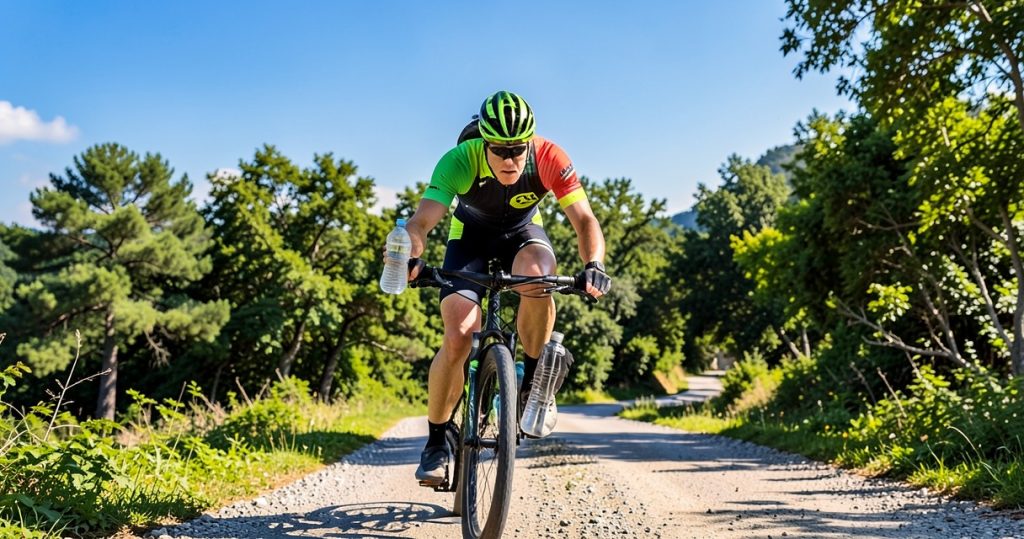
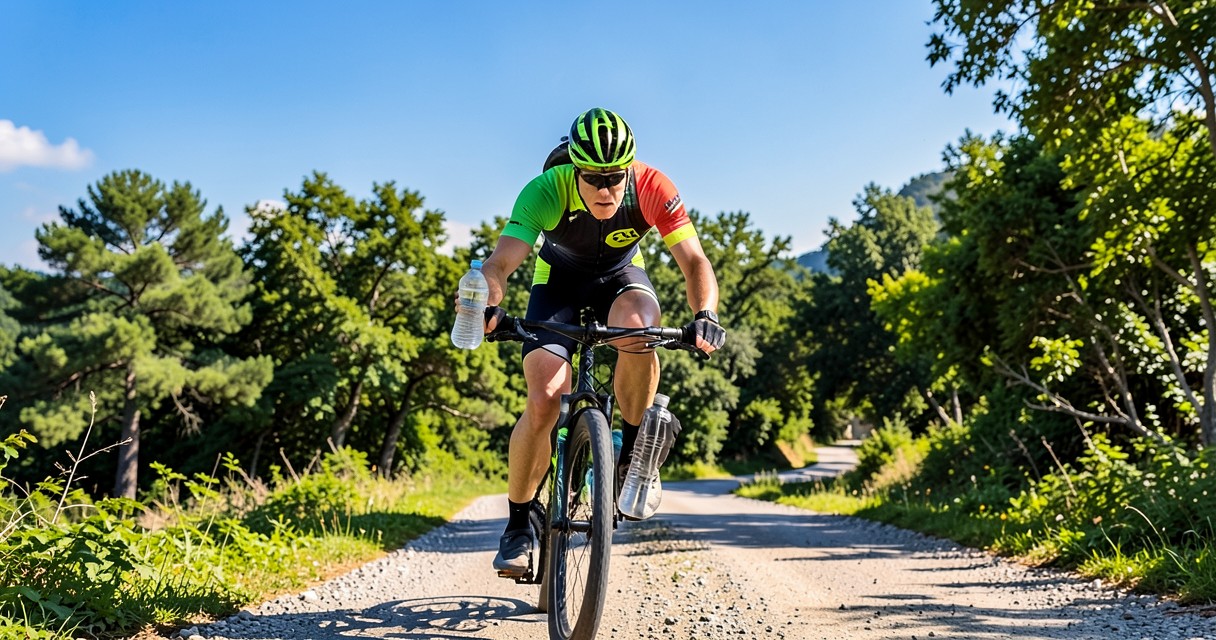
Staying properly hydrated is essential for cyclists, especially during intense rides or in hot weather. Hydration affects not only performance but also overall health, making it a critical aspect for anyone who cycles regularly. As you pedal through your routes, the right hydration strategy can enhance endurance, improve recovery, and prevent heat-related illnesses. This article will delve into effective hydration tips specifically tailored for cyclists, focusing on the role of sports drinks, supplements, and proper nutrition.
Understanding Hydration Needs for Cyclists
Hydration needs can vary significantly from one cyclist to another, depending on factors such as body weight, the intensity of the ride, and environmental conditions. On average, cyclists can lose anywhere from 0.5 to 2 liters of sweat per hour during vigorous activity. To maintain optimal performance, it’s crucial to replace lost fluids. The American College of Sports Medicine recommends drinking about 17 to 20 ounces of fluid two to three hours before cycling, and then continuing to hydrate throughout the ride, especially during long-distance events.
Additionally, recognizing the signs of dehydration is vital. Symptoms may include dry mouth, fatigue, dizziness, and decreased performance. Cyclists should monitor their hydration status by paying attention to urine color; pale yellow indicates proper hydration, while dark yellow suggests a need for more fluids. By understanding individual hydration needs and monitoring signs of dehydration, cyclists can better prepare for their rides.
The Role of Electrolytes in Hydration
While water is essential, it’s not the only component of effective hydration. Electrolytes, such as sodium, potassium, and magnesium, are vital for maintaining fluid balance, nerve function, and muscle contraction. When you sweat, you lose not only water but also these crucial electrolytes. Consuming sports drinks that contain electrolytes can help replenish these losses, especially during long rides or in hot conditions.
Many sports drinks are formulated with an ideal balance of carbohydrates and electrolytes to enhance performance and recovery. For example, a drink containing 6-8% carbohydrates can provide an energy boost without causing gastrointestinal discomfort. Cyclists should consider incorporating electrolyte-rich drinks into their hydration strategy, particularly for rides lasting over an hour, to maintain optimal performance and prevent cramping.
Choosing the Right Sports Drinks
Not all sports drinks are created equal. When selecting a drink, cyclists should look for those that provide a balance of carbohydrates, electrolytes, and minimal added sugars. Ideally, a sports drink should have between 60-120 calories per serving, with 14-20 grams of carbohydrates. Ingredients like sodium and potassium are crucial, as they help replace what is lost through sweat.
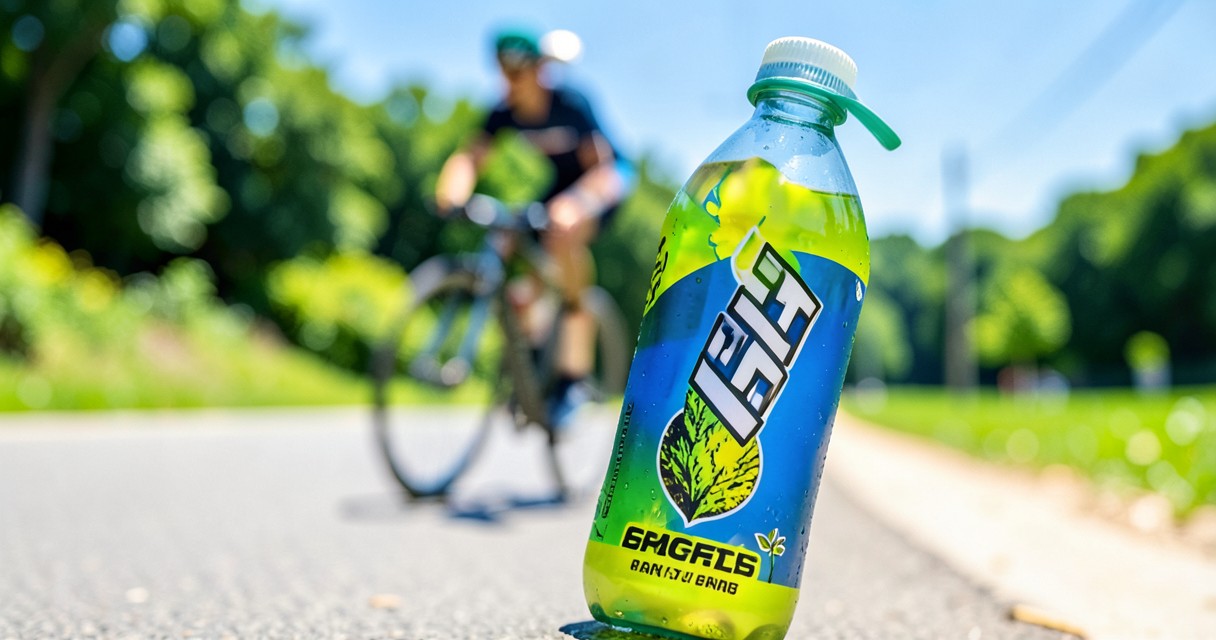
Some brands even offer specialized drinks that cater to specific needs, such as recovery drinks with added protein for muscle repair post-ride. It’s beneficial to experiment with different options during training rides to find what works best for your body and preferences. Remember, the best Sports Drinks Support Hydration and are ones that you enjoy and can tolerate well during exercise.
Hydration Strategies for Different Weather Conditions
Weather conditions can significantly impact hydration needs. In hot and humid climates, the body loses more fluids through sweat, requiring increased water intake. Cyclists should aim to drink more frequently, even if they don’t feel thirsty, as thirst is not always a reliable indicator of hydration status. A good rule of thumb is to take small sips every 15-20 minutes during rides.
In colder weather, hydration is just as important, even if you don’t feel as thirsty. Cold air can be dehydrating, and cyclists often forget to hydrate adequately. In these conditions, warm beverages can be appealing and help maintain body temperature while providing hydration. Adjusting your hydration strategy based on weather conditions is essential for maintaining performance and comfort.
Timing Your Hydration
The timing of hydration is just as important as the quantity. Cyclists should aim to hydrate before, during, and after their rides. Before heading out, following Hydration Tips such as consuming fluids in the hours leading up to the ride can help ensure that you start off hydrated. During the ride, regular intervals of hydration, approximately every 15-20 minutes, can help maintain fluid balance and energy levels.
Post-ride hydration is equally critical, as the body continues to lose fluids through sweat and respiration even after the ride is over. Consuming a recovery drink or water with added electrolytes within 30 minutes of finishing can help kickstart the rehydration process. This is especially important after long rides or intense workouts, as it aids in recovery and prepares the body for future training sessions.
Incorporating Foods for Hydration
Hydration doesn’t solely rely on drinks. Foods can also play a significant role in maintaining fluid levels. Fruits and vegetables with high water content, like watermelon, cucumbers, oranges, and strawberries, can contribute to overall hydration. Incorporating these foods into your diet can provide essential vitamins and minerals while helping to keep you hydrated.

Additionally, snacks that contain a mix of carbohydrates and proteins, such as energy bars or trail mixes with nuts and dried fruits, can help replenish energy stores while also contributing to hydration. Planning meals and snacks with Post-Workout Nutrition in mind can enhance performance and recovery, making it easier to meet your hydration goals.
Monitoring and Adjusting Your Hydration Plan
Every cyclist is different, and hydration needs can vary based on individual factors like age, weight, fitness level, and type of cycling activity. Regularly assessing your hydration plan is essential for improving hydration strategies and optimizing performance. Keeping a hydration log can help track fluid intake, sweat loss, and performance metrics, allowing you to adjust your strategy as needed.
Consider experimenting with different hydration techniques during training rides to see what works best for you. Pay close attention to how your body responds to various drinks and foods, and be open to adjusting your plan based on environmental conditions or ride intensity. Over time, you will develop a personalized hydration strategy that supports your cycling goals and enhances your overall experience.

I’ve always been fascinated by how the right nutrients can boost performance and recovery, so I spend my free time testing new sports drinks and supplements. Sharing what I learn helps others make informed choices for their fitness goals.