Competition day drains your body of far more than just energy reserves, and the first hour after the finish line dictates how effectively you rebuild for the next session. You lose significant sodium, potassium, and fluid through sweat, creating a physiological deficit that plain water alone cannot fully correct. Proper post-competition hydration is about strategic electrolyte replacement and glycogen replenishment within a specific time window to optimize muscle repair. The key to fast recovery lies in pairing your fluid intake with the right type of sports drink or supplement immediately after you cross that finish line, ensuring your cells receive the precise nutrients they need for restoration.
Calculate Your Personal Fluid Deficit Immediately
You cannot effectively rehydrate if you do not know exactly how much fluid your body has lost during the event. The most accurate method involves weighing yourself in minimal clothing before and immediately after the competition to measure total mass loss. For every kilogram of weight dropped, you need to replace approximately 1.5 liters of fluid to account for both sweat loss and ongoing metabolic water use. This simple calculation removes the guesswork from your recovery plan and prevents the common mistake of drinking too little or too much in the critical first hour.
What makes this partnership different is that we’ve started with the runner, not the product.
Dan Lampard, Chief Commercial Operating Officer at Science in Sport — morningstar.com
Many athletes rely on thirst as their only guide, but this mechanism is often delayed and unreliable during intense physical output. Thirst signals do not activate until you are already dehydrated by several percent, which means waiting for this cue puts you at a disadvantage before recovery even begins. By using the body weight method, you create an objective baseline that works regardless of environmental heat or individual sweat rate variations. This data-driven approach ensures your rehydration strategy matches your actual physiological needs rather than relying on vague internal feelings.
Select the Right Sports Drink Composition
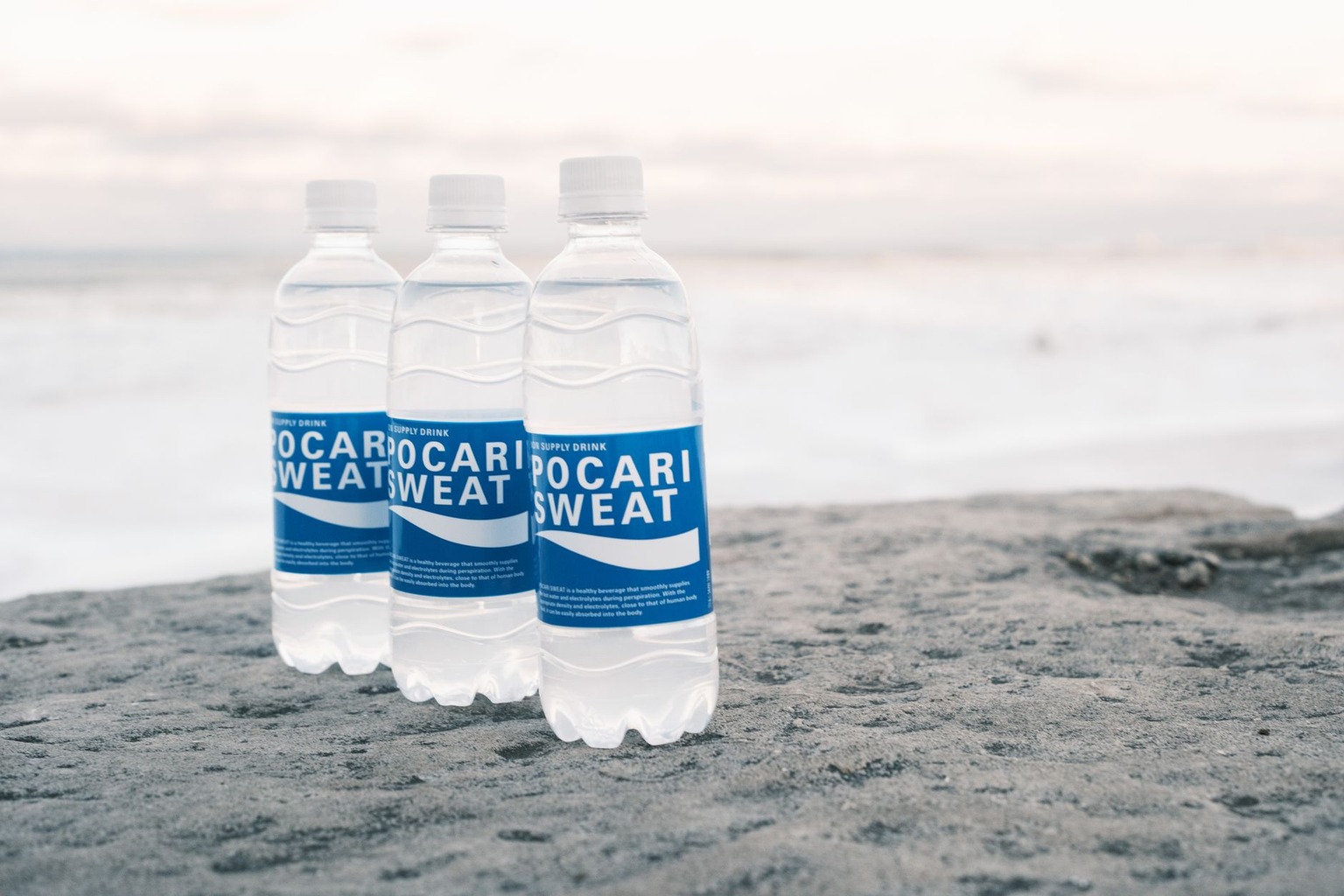
The ideal post-competition beverage contains a specific ratio of carbohydrates to electrolytes that supports rapid fluid absorption and glycogen synthesis. You want a drink with approximately 60 to 80 grams of carbohydrates per serving, split evenly between glucose and fructose to maximize intestinal uptake without causing gastrointestinal distress. Sodium concentration should fall between 400 and 600 milligrams per liter to replace what was lost through sweat and stimulate thirst signals that encourage continued drinking. This precise formulation outperforms plain water or high-sugar sodas because it directly addresses the dual needs of hydration and metabolic fueling.
Choosing between a pre-mixed commercial sports drink and a DIY powder mix depends on your specific nutrient targets and budget constraints. Commercial options often include added vitamins and amino acids, but they may also contain artificial colors and excess sugar that can slow down absorption in some individuals. If you prefer control over your ingredients, mixing a measured scoop of electrolyte powder with a carbohydrate source allows you to tailor the exact concentration to your sweat rate. The critical factor is ensuring the drink remains isotonic or slightly hypotonic so that it empties from the stomach quickly and enters the bloodstream without delay.
Time Your First 30 Minutes Precisely
The first thirty minutes after competition constitute the golden window for cellular recovery, during which your body is most receptive to nutrient uptake. You should aim to consume at least half of your calculated fluid deficit within this initial period to prevent blood volume from remaining critically low. Pairing this fluid intake with a 3:1 or 4:1 ratio of carbohydrates to protein helps initiate muscle protein synthesis while simultaneously replenishing depleted glycogen stores. Delaying this intake by even fifteen minutes can significantly reduce the rate at which your body restores its baseline physiological state.
On the Play Football channel, they cover sports nutrition and recovery tips that you can watch right here.
Breaking down your total fluid requirement into smaller, manageable sips rather than chugging large volumes prevents stomach bloating and improves absorption efficiency. Drinking 200 to 300 milliliters every ten minutes allows your gastrointestinal tract to process the liquid smoothly without triggering nausea or discomfort. This steady pace also maintains a consistent supply of electrolytes to your muscles, supporting nerve function and preventing cramping during the early recovery phase. Treat this initial half-hour as a non-negotiable part of your training protocol, not an optional add-on that can be skipped if you feel tired.
Incorporate Electrolyte-Rich Solid Foods
Fluids alone do not complete the recovery picture, as your muscles also require solid sources of potassium and magnesium to stabilize cell membranes. Within the first two hours, consume a meal that includes banana, spinach, or avocado to provide natural potassium alongside the carbohydrates needed for energy restoration. These foods work synergistically with your sports drink to correct intracellular electrolyte imbalances that plain hydration cannot address on its own. The combination of liquid and solid nutrition creates a comprehensive recovery stack that supports both immediate rehydration and long-term muscle repair.
Adding a small portion of lean protein to your post-competition meal helps balance blood sugar levels and provides the amino acids necessary for tissue rebuilding. Aim for 20 to 30 grams of high-quality protein from sources like chicken, fish, or plant-based alternatives to ensure adequate leucine availability for muscle synthesis. This nutritional strategy prevents the catabolic state that occurs when muscles break down to provide energy after prolonged exertion. By integrating these solid foods into your routine, you create a more stable metabolic environment that supports sustained recovery over the following 24 hours.
Avoid Common Rehydration Mistakes
One of the most frequent errors athletes make is drinking excessive amounts of plain water without adequate sodium replacement, which can lead to hyponatremia. This condition occurs when blood sodium levels drop dangerously low, causing confusion, fatigue, and in severe cases, neurological issues that require medical attention. To avoid this pitfall, always pair your fluid intake with an electrolyte source that provides at least 500 milligrams of sodium per liter consumed. Monitoring your urine color is a useful secondary check; it should be pale yellow rather than clear, indicating proper hydration balance without over-dilution.
Another critical mistake is neglecting the impact of caffeine and alcohol on your recovery process in the hours following competition. Caffeine acts as a mild diuretic, which can counteract your rehydration efforts by increasing urine output and fluid loss. Alcohol similarly dehydrates the body and impairs protein synthesis, making it a poor choice for any meal within the first six hours of post-event recovery. Prioritize plain fluids and nutrient-dense foods during this window to maximize the biological benefits of your hard work on competition day.
Track Your Response Over Multiple Sessions
Individual responses to hydration strategies vary significantly based on genetics, training status, and environmental conditions, so you must track your performance across multiple events. Keep a simple log that records your pre and post-competition weight, the specific volume of fluid consumed, and how you feel during the next 24 hours. This data allows you to identify patterns and adjust your fluid intake ratios based on real-world results rather than generic guidelines. Over time, this personalized approach will reveal the exact combination of fluids and foods that works best for your unique physiology.
Adjusting your strategy based on seasonal changes is also essential, as sweat rates can double in hotter conditions compared to cooler months. If you compete in different environments throughout the year, recalibrate your fluid deficit calculations accordingly to account for increased thermal stress. Consulting with a sports dietitian can provide additional insights into optimizing your specific recovery protocol, especially if you are competing at a high frequency. Treat your hydration plan as a dynamic tool that evolves with your body and circumstances, ensuring it remains effective and sustainable over the long term.

I’ve always been fascinated by how the right nutrients can boost performance and recovery, so I spend my free time testing new sports drinks and supplements. Sharing what I learn helps others make informed choices for their fitness goals.