
Competitive athletes face intense physical and psychological stress that pushes human physiological boundaries every single day. Managing cortisol spikes and maintaining peak focus during heavy training blocks requires more than basic hydration and standard macronutrient timing. Athletes constantly search for legal, effective ergogenic aids that help balance nervous system fatigue without causing unwanted stimulant crashes. Herbal compounds known for modulating the stress response have gained immense popularity inside elite training facilities across the globe. Among these options, adaptogen capsules offer a convenient and precise method for delivering standardized herbal extracts to hard training individuals. Understanding how these supplements compare against traditional energy formulas helps athletes make informed decisions about their daily nutrition protocols.
Pharmacological Potency of Powders Versus Pills
Comparing raw herbal powders to encapsulated extracts reveals significant differences in daily convenience and dosing accuracy for busy competitors. Raw powders often possess earthy and bitter flavor profiles that make them unpalatable when mixed into plain water or sports drinks. Using adaptogen capsules eliminates taste fatigue entirely while ensuring that every single serving contains an identical milligram weight of active compounds. Athletes traveling frequently for competitions find that carrying small pill bottles is vastly superior to measuring loose powders in locker rooms. Precision matters immensely when tracking daily intake for performance optimization and avoiding unwanted gastrointestinal distress before high intensity intervals.
Absorption rates and bioavailability also dictate which delivery format performs best during heavy training cycles. Powders dissolve rapidly in the stomach, which might offer a slightly faster initial uptake into the bloodstream during pre workout windows. However, standardized extracts packed inside pharmaceutical grade gel caps protect sensitive botanical constituents from degrading prematurely in harsh stomach acid. Many athletes prefer this protected delivery method because it guarantees consistent systemic exposure to active root compounds over longer training durations. Evaluating personal digestive tolerance remains crucial since some competitors experience mild stomach cramping when ingesting concentrated herbal extracts on an empty stomach.
Single Herb Formulas Versus Broad Spectrum Blends
Athletes must decide between targeting specific physiological pathways with isolated single herb extracts or utilizing comprehensive multi ingredient proprietary blends. Single herb preparations allow competitors to isolate the exact physiological benefits of roots like ashwagandha or rhodiola without introducing confounding variables. This methodical approach makes it simple to monitor individual reactions and adjust dosages up or down based on recovery metrics and sleep tracking data. Conversely, broad spectrum formulas combine several synergistic roots to simultaneously address endurance, mental clarity, and post exercise cortisol reduction. Selecting the right product depends heavily on an athlete’s specific training phase and current physiological bottlenecks.
Complex multi ingredient blends often appeal to endurance runners and weightlifters who want broad metabolic support during peak macrocycles. Yet these complex formulas occasionally make it difficult to identify which specific botanical causes an allergic reaction or unwanted side effect. Single ingredient options provide absolute transparency regarding active constituent percentages, which helps athletes comply with strict third party testing standards. Competitive sport requires meticulous attention to every substance entering the body, making ingredient transparency a non negotiable priority for professional federations. Coaches typically advise starting with single botanical isolates before experimenting with complex commercial stacks during off season training blocks.
Timing Strategies Around Intense Training Sessions
Establishing the correct ingestion window for botanical stress modulators significantly impacts their effectiveness inside a rigorous athletic schedule. Consuming these herbal supplements immediately before high velocity sprint work might blunt the acute cortisol response required for maximum power output. Instead, many sports nutritionists recommend taking daily doses with evening meals to support parasympathetic nervous system activation and deep sleep architecture. Proper recovery relies on lowering baseline stress hormones after intense physical exertion rather than artificially suppressing acute hormonal spikes during training. Timing the daily dose correctly ensures that adaptation occurs naturally without interfering with immediate athletic performance.
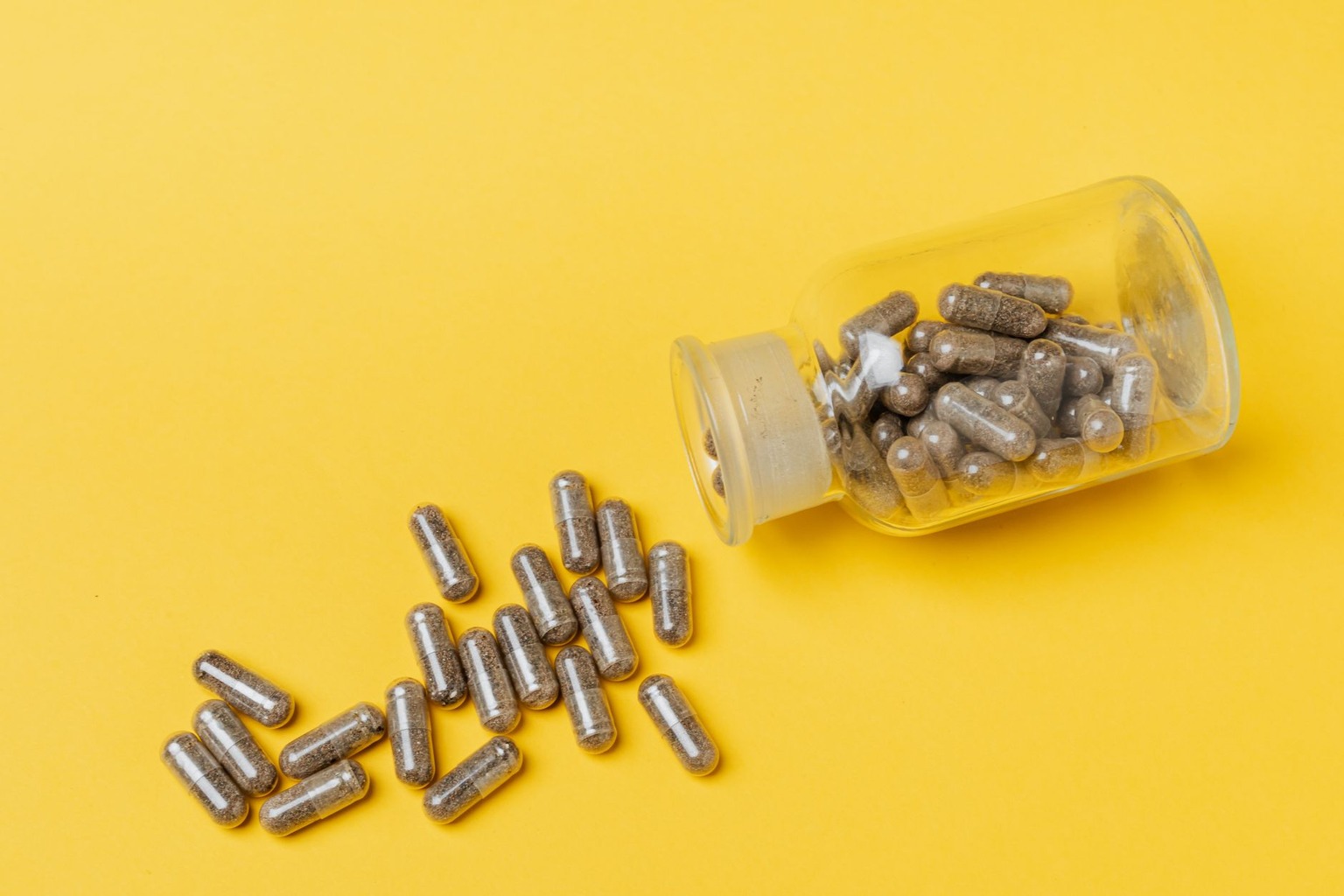
Pre workout application serves a totally different purpose when athletes utilize stimulating adaptogens designed to enhance focus and aerobic capacity. Roots like rhodiola rosea provide mild central nervous system stimulation that can improve reaction times and delay perceived exhaustion during long endurance sessions. Athletes should experiment carefully with timing during recovery weeks to find the optimal window that avoids late night insomnia or sluggish morning lethargy. Monitoring resting heart rate and heart rate variability provides objective feedback regarding how well the body adapts to specific supplementation schedules. Consistency over weeks of training matters far more than sporadic micro dosing right before major competitions.
Standardized Extracts Versus Whole Root Preparations
Manufacturing techniques heavily influence the concentration and reliability of the active constituents found inside commercial herbal supplements. Whole root preparations contain the natural matrix of the plant, which some holistic practitioners argue provides a more balanced physiological effect. However, whole root powders vary wildly in active ingredient percentages due to agricultural differences and seasonal harvesting variations. Standardized extracts solve this consistency problem by guaranteeing a specific minimum percentage of active marker compounds in every batch produced. Athletes who demand predictable recovery metrics typically favor standardized extracts over raw unverified plant material.
The extraction process often utilizes water or food grade ethanol to isolate the most bioactive phytochemicals while discarding inert plant fibers. This concentration step means athletes consume much smaller physical volumes to achieve the desired therapeutic threshold for stress reduction. Checking the product label for specific extraction ratios and marker compound percentages separates premium sports supplements from low quality alternatives. Paying attention to these manufacturing details protects athletes from wasting financial resources on inactive plant matter that fails to elicit positive adaptations. Education regarding phytochemical markers empowers competitors to select professional grade products that support rigorous training demands.
Third Party Testing Versus Standard Quality Assurance
Contamination and label inaccuracy represent major hazards for competitive athletes subject to strict anti doping regulations and drug testing protocols. Relying on basic manufacturer claims without independent verification invites catastrophic career risks if a supplement contains undisclosed banned substances. Products certified by independent testing organizations undergo rigorous laboratory screening to confirm ingredient purity and absence of heavy metals. Investing in certified formulations guarantees that the contents match the label perfectly without accidental cross contamination from manufacturing facilities. Premium brands transparently display batch testing certificates on their websites to build trust with professional sports dietitians.
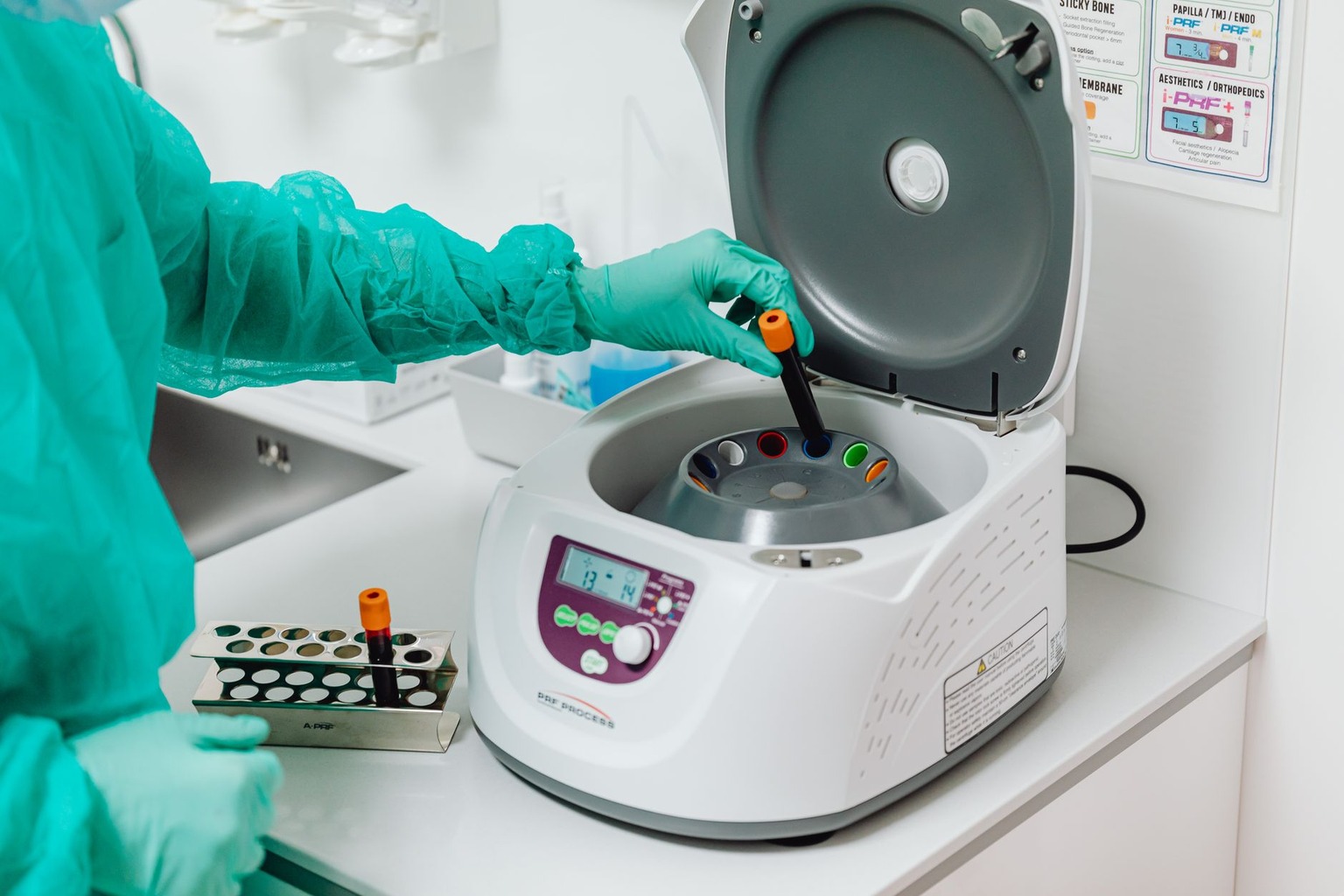
Navigating the supplement market requires a skeptical eye toward exaggerated marketing claims that promise miraculous performance enhancements overnight. High quality brands invest heavily in clinical research and third party validation rather than flashy advertising campaigns filled with empty buzzwords. Athletes should cross reference any potential supplement with institutional databases to verify its safety profile and compliance with sports governing bodies. Establishing a direct relationship with a qualified sports nutritionist simplifies this vetting process and protects athletes from harmful manufacturing practices. Prioritizing rigorous quality assurance safeguards both long term health and professional athletic eligibility.
Cost Versus Long Term Performance Benefits
Financial investment in sports nutrition supplements must always be weighed against tangible improvements in recovery and training consistency. Cheap botanical supplements often utilize low grade plant matter grown in contaminated soils, rendering them practically useless for serious athletes. Premium formulations carry a higher price tag due to expensive extraction methods and rigorous third party laboratory testing protocols. Evaluating the cost per serving rather than the total bottle price helps competitors budget accurately for multi month training phases. Investing in reliable recovery tools ultimately saves money by reducing injury downtime and enhancing overall athletic longevity.
Balancing supplement expenses with whole food nutrition and professional coaching requires careful financial prioritization throughout the competitive year. Adaptogenic herbs should complement a solid foundation of caloric intake, macronutrient timing, and sleep hygiene rather than replacing fundamental recovery practices. Athletes operating on tight budgets can focus on purchasing a single high quality supplement that addresses their most pressing recovery bottleneck. Assessing return on investment involves tracking subjective energy levels, training output, and immune system resilience over consecutive months of use. Making data driven financial decisions ensures that every dollar spent directly contributes to reaching peak competitive form.

I’ve always been fascinated by how the right nutrients can boost performance and recovery, so I spend my free time testing new sports drinks and supplements. Sharing what I learn helps others make informed choices for their fitness goals.