

Teen athletes and fitness-focused young people often turn to energy drinks and sports supplements to push through workouts or stay alert during late-night study sessions. But how much caffeine should a teenager have in a day without risking jitters, sleep disruption, or long-term health effects? The answer isn’t one-size-fits-all, it depends on body weight, tolerance, and activity level. For teens, even small amounts can have big consequences if not managed carefully, especially when combined with pre-workout blends or recovery shakes. Balancing caffeine’s benefits with safety in sports nutrition requires careful planning to avoid overconsumption and its risks.
What the science says about caffeine limits for teens
Most health organizations agree that teenagers should cap their daily caffeine intake at about 100 milligrams, roughly the amount in a single cup of coffee. This guideline comes from research showing that adolescents metabolize caffeine more slowly than adults, meaning it lingers in their systems longer and can lead to anxiety, irregular heartbeats, or poor sleep quality. Energy Drinks and pre-workout supplements can deliver high caffeine doses—like 160 mg in a 16-ounce drink or even 200–300 mg in a pre-workout. The problem isn’t just the caffeine itself but how it interacts with other stimulants in sports drinks, like guarana or taurine, which can amplify side effects. Teens who rely on these products for energy often exceed safe thresholds without realizing it, especially if they mix energy drinks with coffee or caffeine pills before training sessions.
The confusion arises because many sports nutrition brands market their products as “natural” or “performance-boosting” without clear warnings about cumulative caffeine exposure. For example, a popular pre-workout might list caffeine as one of several ingredients but fail to disclose that its total caffeine content could surpass the daily limit in a single serving. This lack of transparency forces young athletes to track their intake manually, which is impractical during busy training schedules. Worse, some teens develop a tolerance to caffeine, believing they can safely consume more over time, a dangerous habit that masks the underlying health risks. The best approach is to treat caffeine like any other supplement: measure, monitor, and adjust based on individual response rather than relying on vague marketing claims.
Another critical factor is timing. Caffeine’s half-life in teens is about 5 to 10 hours, meaning a pre-workout shake consumed at noon could still be active in the system by bedtime, disrupting recovery and sleep, a non-negotiable component of athletic development. Studies show that chronic sleep deprivation in adolescents is linked to decreased muscle growth, higher injury risk, and poorer cognitive function, all of which undermine long-term performance goals. Even if a teen feels fine after one high-caffeine session, the cumulative effect over weeks or months can lead to noticeable declines in endurance and strength. This is why experts recommend avoiding caffeine within six hours of sleep, a rule that’s especially relevant for overnight practices or early-morning competitions.
How to calculate your teen’s safe caffeine dose
To ensure teenagers perform well, their caffeine intake must align with a Balanced Nutrition plan that considers their unique body needs and daily activities. A general rule is to start with 3 to 5 milligrams of caffeine per kilogram of body weight, which translates to about 1.5 to 2.5 milligrams per pound. For a 150-pound teen, that’s roughly 225 to 375 milligrams per day, but this is a starting point, not a strict limit. Factors like genetics, hydration status, and even the time of day can shift how their body processes caffeine. For example, a teen who’s dehydrated will feel the effects of caffeine more intensely, while someone who’s well-hydrated might tolerate higher doses without jitters.
The most reliable way to gauge tolerance is to experiment in small increments, tracking how caffeine affects energy levels, focus, and sleep. A good test is to consume 50 milligrams (about half a cup of coffee) and observe the body’s response over 24 hours. If there’s no noticeable crash, anxiety, or sleep disruption, the dose can be gradually increased by 25 to 50 milligrams every few days. However, this method requires discipline, many teens skip the observation phase and instead chase the “high” feeling, which often leads to overconsumption. To avoid this, pair caffeine with a protein-rich snack or a sports drink to stabilize blood sugar and mitigate the energy rollercoaster. This approach not only reduces reliance on caffeine but also ensures it works with the body’s natural energy systems rather than against them.
It’s also worth noting that caffeine’s effects aren’t linear. Some teens report feeling more alert after 100 milligrams, while others experience the same benefits at 50 milligrams. This variability means there’s no one-size-fits-all answer to how much caffeine should a teenager have in a day. The best strategy is to treat caffeine like a fine-tuned dial: adjust it based on performance feedback, not just perceived energy levels. For instance, if a teen notices improved reaction times during sprints after 75 milligrams but feels shaky at 100 milligrams, they should stick to the lower dose. Over time, this method helps identify the sweet spot where caffeine enhances performance without compromising health.
Common mistakes teens make with caffeine and sports nutrition
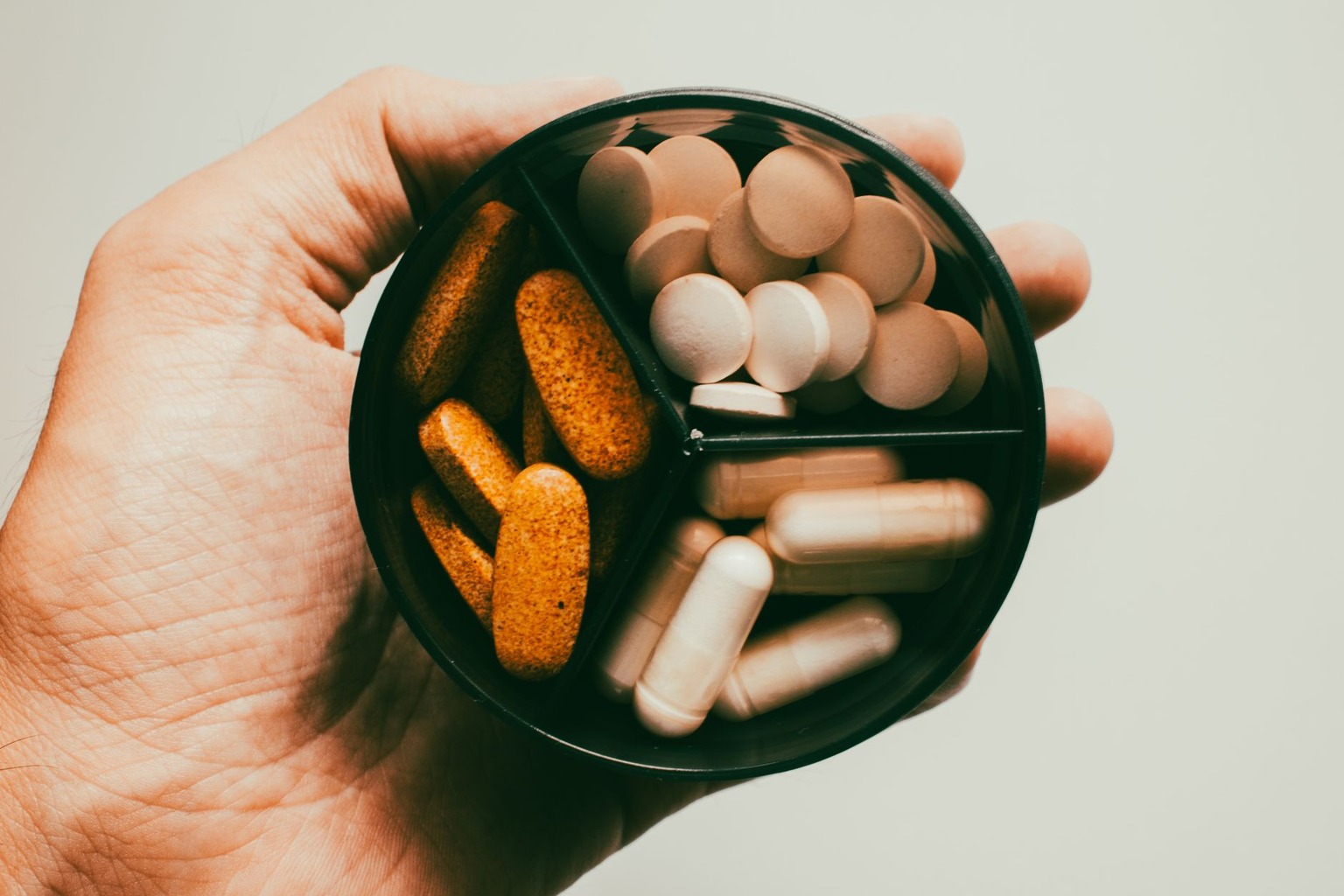
One of the most frequent mistakes teens make is assuming that caffeine in sports drinks or pre-workouts is harmless because it’s “part of a balanced formula.” In reality, many of these products contain hidden caffeine sources like guarana or yerba mate, which add significant milligrams without clear labeling. For example, a popular recovery shake might list “natural caffeine” from green tea but fail to disclose that its total caffeine content is equivalent to two cups of coffee. This ambiguity leads teens to stack multiple products, an energy drink before practice, a pre-workout mid-session, and a post-workout protein shake with caffeine, without realizing they’ve already exceeded daily limits. The result is a caffeine overload that masquerades as “just part of their routine.”
Another pitfall is ignoring caffeine’s role in sleep architecture. Teens who consume caffeine-laden energy drinks or pre-workouts in the afternoon often don’t account for how long it takes to metabolize. Even a moderate dose of 150 milligrams taken at 3 p.m. can interfere with deep sleep stages, which are critical for muscle repair and hormone regulation. Over time, this sleep fragmentation leads to chronic fatigue, reduced recovery, and even stunted growth in young athletes. The solution is to treat caffeine like a performance-enhancing drug, timing it strategically around workouts, not as a crutch for daily fatigue. For example, a teen who trains in the morning should limit caffeine to the pre-workout window and avoid it entirely after 2 p.m. to protect sleep quality.
Teens also tend to underestimate the cumulative effect of caffeine across different products. A common scenario is drinking a caffeinated sports drink during a game, then grabbing an energy gel mid-workout, followed by a post-workout shake with added caffeine. Each of these contributes to the daily total, and by the end of the day, the teen may have consumed 300 to 400 milligrams, well above the safe limit. The fix is to track intake using a simple log or app, noting the caffeine content of every product consumed. Brands like Gatorade and Powerade now provide caffeine breakdowns on their websites, making it easier to avoid accidental overdoses. Additionally, teens should avoid mixing caffeine sources unless they’ve calculated the total milligrams in advance, as combining an energy drink with a pre-workout can easily push them into dangerous territory.
When to avoid caffeine entirely in sports nutrition
While caffeine has clear benefits for endurance and focus, it’s not suitable for every situation, especially for teens who are still developing their cardiovascular systems. For example, caffeine can elevate heart rate and blood pressure, which may be problematic for young athletes with undiagnosed conditions like arrhythmias or hypertension. Even without pre-existing issues, excessive caffeine can lead to palpitations, particularly during high-intensity intervals or in hot environments. This is why some sports medicine experts recommend avoiding caffeine during heat acclimation periods or in sports that rely heavily on anaerobic power, like weightlifting or sprinting, where cardiovascular strain is already high. In these cases, hydration and natural energy sources (like bananas or nuts) may be more effective than stimulants.
Another scenario where caffeine should be approached cautiously is during periods of high stress or intense training cycles. Teens who are already sleep-deprived or dealing with academic pressure may find that caffeine exacerbates anxiety rather than providing a steady energy boost. Studies show that chronic caffeine use in adolescents can increase cortisol levels, which over time may lead to adrenal fatigue, a condition where the body struggles to recover from stress. For these individuals, a better approach is to use caffeine strategically during specific workouts (e.g., long-distance runs) and replace it with non-caffeinated alternatives (like BCAAs or electrolytes) on rest days. This targeted use minimizes the risk of dependency while still leveraging caffeine’s performance benefits when they’re most needed.
Caffeine is also contraindicated for teens who are sensitive to its side effects, such as digestive issues or headaches. Some young athletes experience stomach cramps or nausea after consuming caffeine, which can derail training sessions. Others develop a caffeine-induced headache, likely due to vasoconstriction, that persists long after the stimulant wears off. In these cases, the solution isn’t to power through the discomfort but to switch to caffeine-free alternatives like green tea (which contains L-theanine for calm focus) or herbal pre-workouts. The key is listening to the body’s signals, if caffeine consistently causes negative symptoms, it’s better to prioritize other performance-enhancing strategies, such as optimizing sleep, nutrition, and recovery protocols.
How to optimize caffeine use in a teen’s training schedule
For teens who decide to incorporate caffeine into their sports nutrition routine, the most effective strategy is to time it around workouts rather than using it as a daily energy source. Research shows that caffeine’s performance benefits are most pronounced during endurance activities, where it helps delay fatigue by mobilizing free fatty acids and sparing glycogen. For example, a teen running a 5K should consume 3 to 6 milligrams per kilogram of body weight about 30 to 60 minutes before the event. This timing ensures the caffeine peaks in the bloodstream as the body demands it, rather than lingering unnecessarily. Similarly, cyclists or swimmers can benefit from a pre-race caffeine dose to enhance focus and reduce perceived exertion during long sessions.
Post-workout, caffeine’s role shifts to aiding recovery by supporting cortisol regulation and reducing muscle soreness. However, the timing here is critical, consuming caffeine too soon after exercise can interfere with insulin sensitivity and protein synthesis, which are key for muscle repair. Instead, teens should wait at least 60 to 90 minutes after a workout before ingesting caffeine, allowing their bodies to enter the anabolic window where recovery nutrients (like protein and carbs) are most effective. This delayed approach also prevents caffeine from disrupting sleep, which is essential for overnight recovery. For instance, a teen who trains at 5 p.m. should avoid caffeine after 7 p.m. to ensure uninterrupted sleep by midnight, when deep recovery occurs.
Another optimization technique is to pair caffeine with other performance-enhancing compounds to amplify its effects while reducing side effects. For example, combining caffeine with beta-alanine or creatine can enhance endurance and strength gains without the jitters that often come from caffeine alone. Beta-alanine buffers lactic acid, while creatine supports ATP regeneration, both of which complement caffeine’s fat-burning and focus-boosting properties. Teens can experiment with these stacks during training to find the right balance, some may tolerate 200 milligrams of caffeine plus 3 grams of creatine, while others feel overwhelmed by the same dose. The goal is to create a synergistic effect where caffeine enhances other supplements, not replace them entirely. This layered approach ensures that the body benefits from multiple performance-enhancing mechanisms without overloading on a single stimulant.
Alternatives to caffeine for sustained energy in teens
Not all energy needs require caffeine, and for teens looking to avoid stimulants entirely, there are several effective alternatives that provide sustained energy without the crash or health risks. One of the most reliable options is natural pre-workout blends that combine ingredients like citrulline malate, beetroot powder, and electrolytes. Citrulline malate improves nitric oxide production, which enhances blood flow and endurance, while beetroot powder delivers nitrates that support oxygen utilization, both effects mimic some of caffeine’s benefits without the stimulant side effects. These alternatives are particularly useful for teens who experience anxiety or sleep disruption from caffeine but still need an edge during high-intensity training. For example, a pre-workout with 6 grams of citrulline malate can improve time-to-exhaustion by 15 to 20 percent, making it a viable substitute for caffeine in endurance sports.
Another underrated option is adaptogenic herbs like rhodiola rosea or ashwagandha, which help the body manage stress and fatigue more naturally. These adaptogens work by modulating cortisol levels, reducing the “burnout” feeling that caffeine can sometimes exacerbate. For teens who rely on caffeine to push through tough workouts, adaptogens can act as a smoother, longer-lasting energy source. A study published in the Journal of the International Society of Sports Nutrition found that ashwagandha improved exercise performance and reduced perceived exertion in athletes, making it a strong alternative for those who want to avoid stimulants. The best part is that these herbs can be taken daily without the risk of tolerance or withdrawal, unlike caffeine, which many teens find they need more of over time to achieve the same effect.
For teens who struggle with caffeine’s impact on sleep, timing is everything, but so is the choice of beverage. Instead of energy drinks, which are loaded with sugar and artificial additives, teens can opt for black or green tea, which contain caffeine in smaller, more manageable doses (about 20 to 45 milligrams per cup). The L-theanine in green tea also promotes calm focus, reducing the jittery side effects common with coffee or energy drinks. This makes it an ideal choice for late-afternoon study sessions or light training days when a mild energy boost is needed without the crash. Additionally, teas like yerba mate or rooibos offer caffeine in combination with antioxidants, which can support recovery and reduce oxidative stress, benefits that caffeine alone doesn’t provide. For teens who want to stay within safe caffeine limits while still enjoying a performance boost, these tea options offer a balanced alternative to overcaffeinated sports drinks.

I’ve always been fascinated by how the right nutrients can boost performance and recovery, so I spend my free time testing new sports drinks and supplements. Sharing what I learn helps others make informed choices for their fitness goals.