Athletes often struggle with muscle cramps despite proper hydration, highlighting gaps in their training. While fluid loss is often blamed, the reality is more nuanced, involving electrolyte balance, neuromuscular fatigue, and the specific demands placed on the body. Understanding how different drinks and supplements influence these factors can help you prevent cramps before they start. This guide breaks down the most practical options available, outlines what to look for when selecting a product, and shows how to match your choice to the conditions you face. By focusing on evidence‑based strategies that remain useful year after year, you can build a hydration plan that supports both endurance and power output without guesswork.
Key Factors That Trigger Exercise‑Associated Cramps
The first step in preventing cramps is recognizing what actually sets them off. Dehydration alone rarely causes a cramp; instead, a drop in plasma volume can alter the concentration of sodium, potassium, and other ions in the extracellular fluid. When these electrolytes fall below the threshold needed for normal muscle fiber excitability, spontaneous contractions may occur. Additionally, prolonged muscular effort can lead to fatigue of the Golgi tendon organs, reducing their inhibitory feedback and allowing uncontrolled contractions. Environmental heat amplifies sweat loss, which further shifts electrolyte ratios and increases the likelihood of a cramp episode.
We pretty much know that electrolyte imbalance is likely not related.
Chris Connolly, WSU physiologist — sciencedaily.com
Another often overlooked contributor is the timing of nutrient intake relative to exercise. Consuming a large bolus of plain water without electrolytes can dilute blood sodium, a condition known as hyponatremia, which paradoxically raises cramp risk. Conversely, taking in too many carbohydrates without adequate fluid can slow gastric emptying, leaving the gut uncomfortable and reducing the drive to drink. Therefore, an effective strategy must address both fluid volume and the specific electrolyte composition that matches your sweat losses, while also considering the intensity and duration of the activity.
Choosing the Right Sports Drink Formula
Sports drinks are generally classified by their osmolarity relative to body fluids. Isotonic drinks have a similar particle concentration to blood, allowing rapid absorption of both water and carbohydrates during moderate‑intensity efforts lasting up to an hour. Hypotonic solutions contain fewer solutes than blood, which promotes faster water uptake but delivers less energy, making them suitable for short, high‑intensity bursts where fluid replacement is the priority. Hypertonic drinks, with a higher solute concentration, are best reserved for recovery periods when glycogen replenishment outweighs immediate fluid needs.
Beyond osmolarity, the electrolyte profile matters. Sodium is the primary ion lost in sweat, and a drink containing roughly 20‑30 millimoles per liter helps maintain plasma osmolality without overwhelming the taste buds. Potassium contributes to membrane repolarization and is often included at lower levels, around 5‑10 millimoles per liter. Some formulations also add a small amount of magnesium to support enzymatic reactions involved in energy transfer. When evaluating a product, check the label for these ranges and ensure the carbohydrate content aligns with your expected fuel expenditure, typically between four and eight percent for most training scenarios.
Electrolyte Tablets and Powders
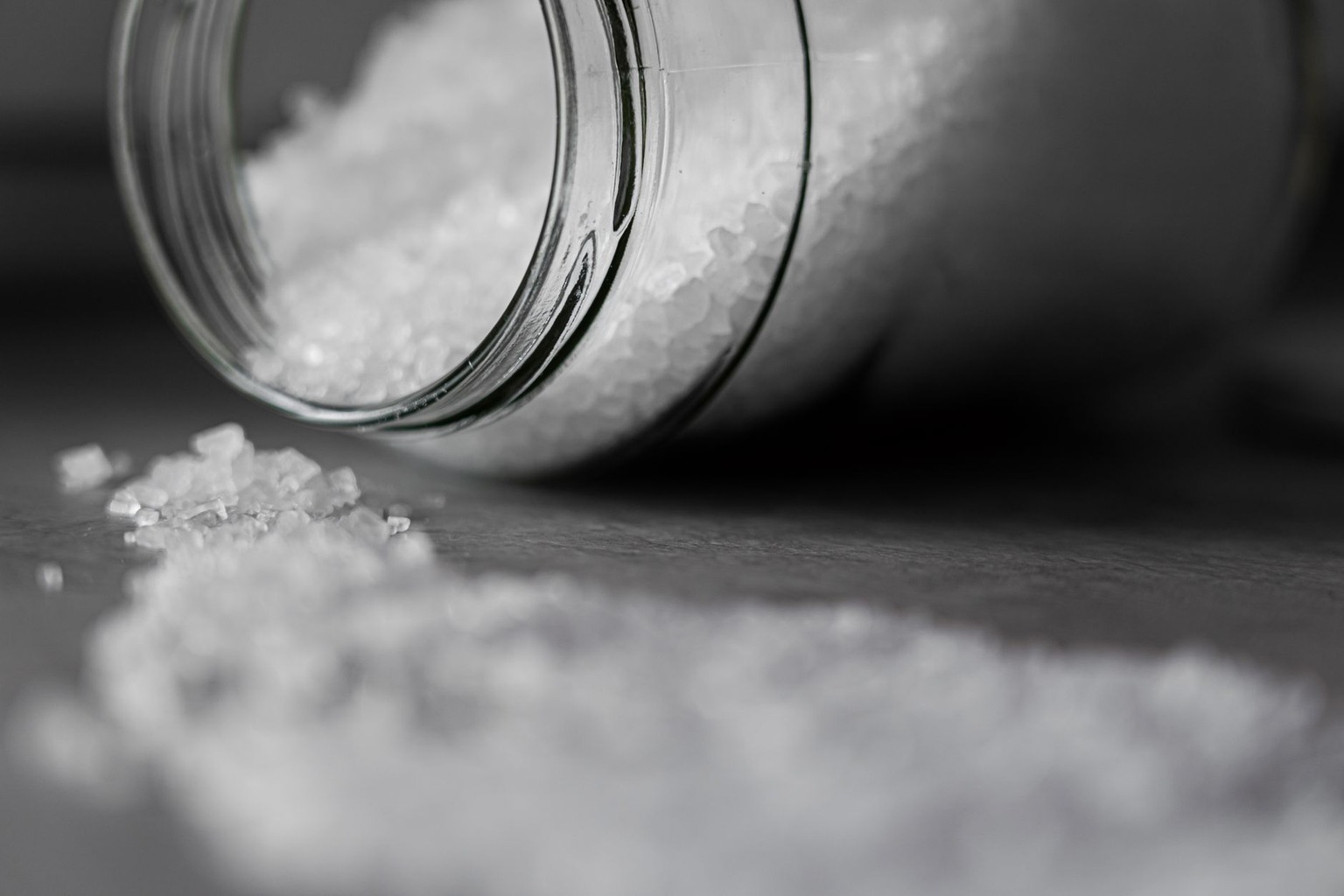
Tablets and powders offer a portable way to adjust electrolyte intake without consuming large volumes of liquid. They are especially useful when you prefer to drink plain water or when access to flavored beverages is limited. Most tablets contain a blend of sodium chloride, potassium citrate, and sometimes magnesium carbonate, designed to dissolve quickly in a standard bottle of water. Because the dose is pre‑measured, you can easily tailor the concentration to match your sweat rate by adding more or fewer tablets per liter.
On the Physiotutors channel, they explain the science behind preventing muscle cramps, and you can watch it right here.
One practical advantage of this format is the ability to experiment with different ratios during training sessions. For instance, if you notice cramps forming late in a long run, you might increase the magnesium component while keeping sodium steady. Conversely, for short sprint sessions in cool weather, a lower overall electrolyte load may suffice. Remember to stir or shake the mixture thoroughly to avoid settling, and always test a new combination during a low‑stakes workout before relying on it in competition.
Magnesium‑Focused Supplements
Magnesium plays a supportive role in muscle relaxation by acting as a natural calcium blocker within the sarcoplasmic reticulum. While severe deficiency is uncommon among athletes who eat a varied diet, marginal intakes can contribute to heightened neuromuscular excitability, especially when combined with high sweat losses. Supplemental magnesium is therefore considered a preventive measure rather than a cure for acute cramps. Common forms include magnesium citrate, magnesium glycinate, and magnesium oxide, each differing in absorption speed and gastrointestinal tolerance.
When incorporating magnesium into your routine, timing matters more than dosage size. Taking a modest amount with your post‑exercise meal or within thirty minutes after finishing a workout helps replenish intracellular stores without causing digestive upset. Avoid mega‑doses on an empty stomach, as they can lead to laxative effects that counteract hydration goals. If you regularly train in hot environments or notice a pattern of cramps despite adequate sodium and potassium intake, a magnesium supplement may be the missing piece in your electrolyte strategy.
Potassium and Calcium Sources
Potassium works alongside sodium to maintain the resting membrane potential of muscle fibers, and its depletion can impair the ability to relax after contraction. While bananas are a popular source, many sports drinks now include potassium citrate or potassium phosphate to provide a more controlled intake alongside fluids. Calcium, though lost in smaller amounts through sweat, is essential for the contraction‑relaxation cycle; low ionic calcium can increase the tendency for sustained contractions. Some fortified beverages add calcium lactate or calcium chloride to address this need.
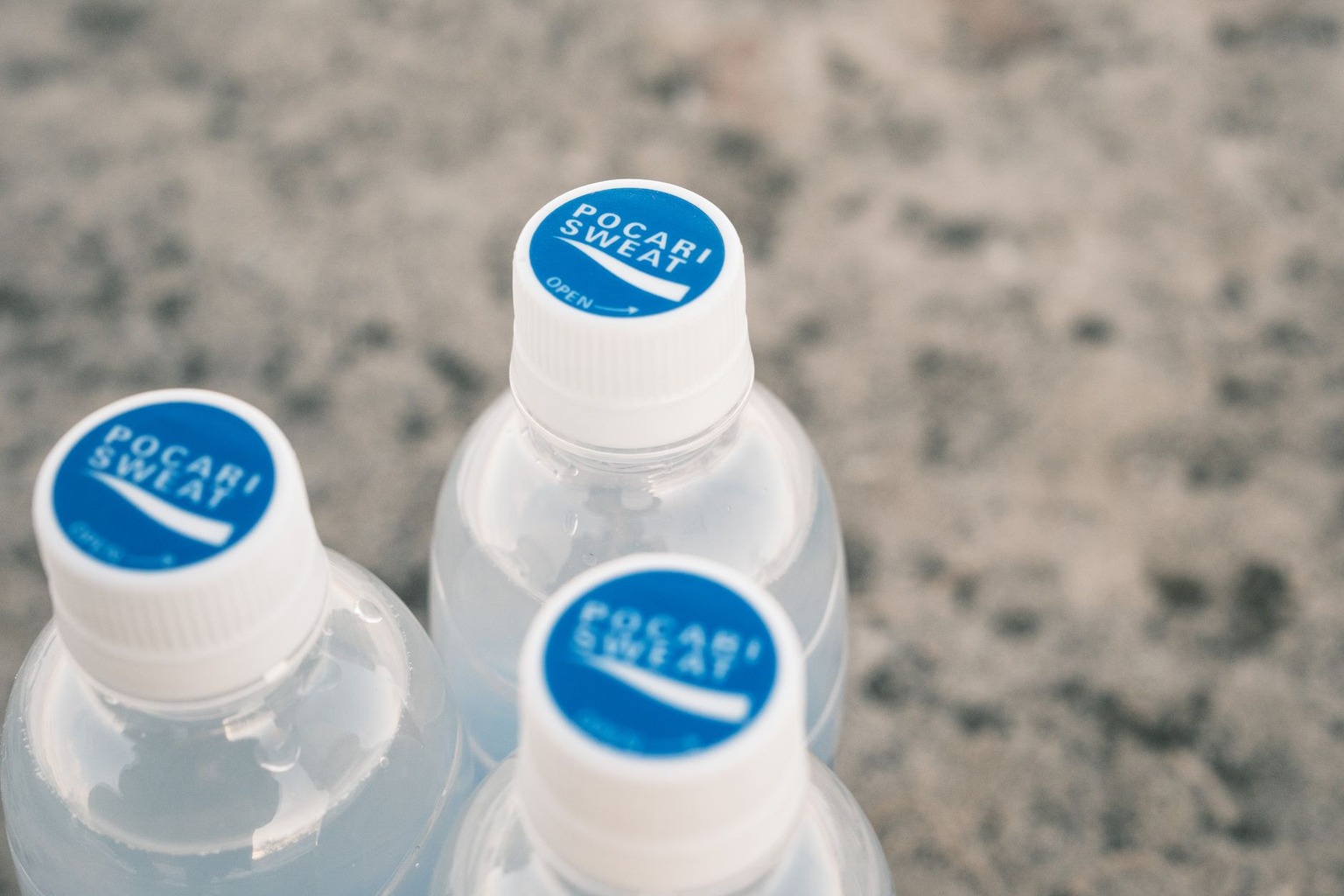
For athletes who prefer whole‑food options, orange juice, coconut water, and certain vegetable juices deliver both potassium and calcium in a naturally occurring matrix. These beverages also contain phytochemicals that may aid recovery, though their carbohydrate content varies widely. When choosing a drink, look for a label that lists both potassium and calcium in measurable amounts, and consider how the carbohydrate level fits your energy requirements. In cooler climates or during low‑sweat activities, a potassium‑rich, low‑sodium beverage might be preferable to avoid overloading on salt.
Matching Your Choice to Training Conditions
The optimal hydration approach changes with the duration, intensity, and environment of your workout. For sessions under sixty minutes in temperate conditions, a hypotonic electrolyte drink or plain water with a modest tablet can replace losses without unnecessary carbohydrate load. When effort extends beyond an hour, especially in warm weather, an isotonic drink that supplies both fluids and four to eight percent carbohydrate helps sustain blood glucose and delays fatigue. In extreme heat where sweat rates exceed two liters per hour, you may need to increase sodium concentration beyond standard formulas, either by adding extra tablets or selecting a product designed for high‑sweat loss.
Finally, consider personal tolerance and taste preferences, as the best plan is one you will actually follow. Test different flavors and formats during training runs or rides to identify what settles well in your stomach and encourages regular sipping. Keep a simple log of perceived exertion, any cramping sensations, and fluid intake to refine your strategy over time. By aligning your drink or supplement choice with the specific physiological demands of each activity, you maintain a steady internal environment that reduces the likelihood of exercise‑associated cramps and supports consistent performance.

I’ve always been fascinated by how the right nutrients can boost performance and recovery, so I spend my free time testing new sports drinks and supplements. Sharing what I learn helps others make informed choices for their fitness goals.