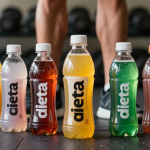

Endurance athletes spend hours in motion, whether they are tackling a marathon, cycling through mountain passes, or rowing on a lake. During prolonged activity the body loses water through sweat, and with that fluid it also expels vital minerals that keep nerves firing and muscles contracting. Even a loss of two percent of body weight can impair coordination, raise perceived effort, and diminish overall performance. Because the demands of endurance training differ from those of short, high‑intensity bursts, the nutritional strategy must address both hydration and sustained energy supply. This article explores how specifically crafted sports drinks support the unique needs of long‑duration athletes.
How Endurance Training Depletes Fluids and Electrolytes
When a runner maintains a pace of ten minutes per mile for two hours, sweat rates can exceed one liter per hour, especially in warm climates. The expelled fluid carries sodium, potassium, calcium, and magnesium, each playing a distinct role in nerve transmission and muscle contraction. Sodium, the most abundant electrolyte in sweat, helps retain water in the bloodstream and prevents a drop in blood pressure that could cause dizziness. Potassium assists in resetting muscle cells after each contraction, while magnesium contributes to energy production pathways. Failure to replace these minerals can lead to cramping, fatigue, and a decline in aerobic efficiency.
Research shows that athletes who lose more than three percent of their body mass through dehydration experience a measurable reduction in VO₂ max and time‑to‑exhaustion. The physiological stress of dehydration also elevates heart rate, forcing the cardiovascular system to work harder to deliver oxygen. In contrast, maintaining fluid balance allows the heart to operate at a lower rate, preserving glycogen stores for later use. Therefore, a proactive approach to fluid replacement is not a luxury but a prerequisite for maintaining training quality and race performance.
Core Ingredients of a Performance‑Focused Sports Drink
A well‑designed sports drink typically combines water, carbohydrates, and electrolytes in proportions that mirror what the body loses during exercise. Water provides the medium for transport, while carbohydrates supply quick‑acting energy that the muscles can tap into within minutes. The carbohydrate source is often glucose, sucrose, or maltodextrin because these sugars are rapidly absorbed and raise blood glucose levels without causing gastrointestinal distress. Electrolytes, especially sodium and potassium, are added to replenish the salts lost in sweat and to support fluid retention.
Beyond the basics, many commercial formulas include vitamins such as B‑complex for metabolic support and antioxidants like vitamin C to combat oxidative stress. Some athletes also benefit from added amino acids, particularly leucine, which can help reduce muscle breakdown during ultra‑long sessions. The overall osmolarity of the drink, its concentration of dissolved particles, should stay within a range that promotes rapid gastric emptying; drinks that are too concentrated can slow absorption and cause stomach upset. Balancing these components creates a beverage that hydrates efficiently while delivering usable energy.
Carbohydrate Concentration and Energy Supply
Endurance events lasting longer than sixty minutes generally require an intake of thirty to sixty grams of carbohydrate per hour to sustain blood glucose and spare muscle glycogen. A concentration of five to eight percent carbohydrate, equivalent to five to eight grams per one hundred milliliters of fluid, delivers this amount without overwhelming the digestive system. For a runner consuming a liter of drink per hour, a six percent solution provides thirty‑six grams of carbohydrate, fitting neatly within the recommended window.
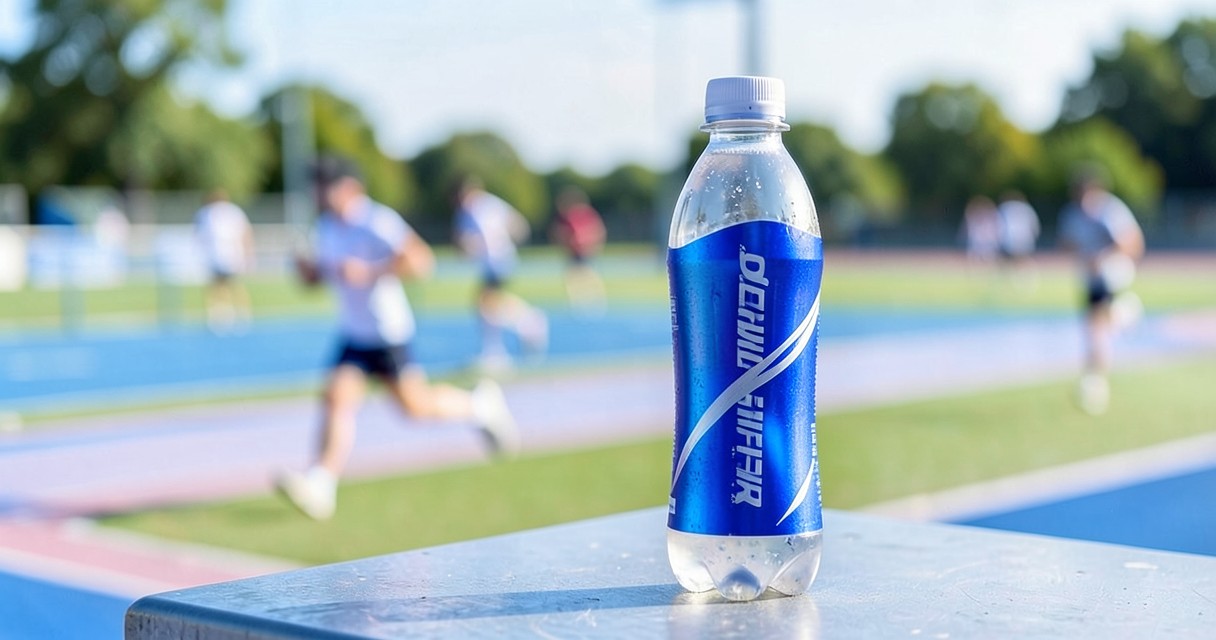
Choosing the right carbohydrate blend can influence performance outcomes. Glucose alone is absorbed via the SGLT1 transporter, but when paired with fructose, the combined intake can reach ninety percent higher absorption rates because the two sugars use separate transport mechanisms. This synergy allows athletes to ingest up to ninety grams per hour without gastrointestinal issues, a strategy employed by elite cyclists during multi‑stage races. Adjusting the carbohydrate profile to match personal tolerance and event duration can therefore make a noticeable difference in stamina and recovery.
Electrolyte Profiles for Sweat Loss Replacement
Sodium remains the cornerstone of most sports drinks because it is lost in the greatest quantity during sweating. A typical formulation provides two hundred to three hundred milligrams of sodium per liter, a level that matches the average sweat sodium concentration of forty to sixty milligrams per deciliter. Potassium is added at a lower concentration, usually fifty to one hundred milligrams per liter, to support cellular function without risking hyperkalemia.
Magnesium and calcium are present in smaller amounts but are essential for muscle contraction and nerve signaling. Magnesium concentrations of ten to twenty milligrams per liter can help reduce the incidence of cramping, especially in athletes prone to magnesium deficiency. Calcium, while less abundant in sweat, contributes to bone health and can be included at five to ten milligrams per liter. When formulating a drink for hot, humid conditions, increasing sodium content to five hundred milligrams per liter may be advisable to offset the heightened sweat loss.
Timing Your Hydration: Pre, Mid, and Post Session
Consuming a sports drink 30 minutes before an endurance workout primes the body with a modest fluid and electrolyte load, ensuring that blood volume is optimal at the start. A volume of two to three hundred milliliters, containing about fifteen grams of carbohydrate, raises blood glucose without causing discomfort during the warm‑up phase. This pre‑exercise sip also signals the gut to prepare for nutrient absorption, smoothing the transition to in‑exercise intake.
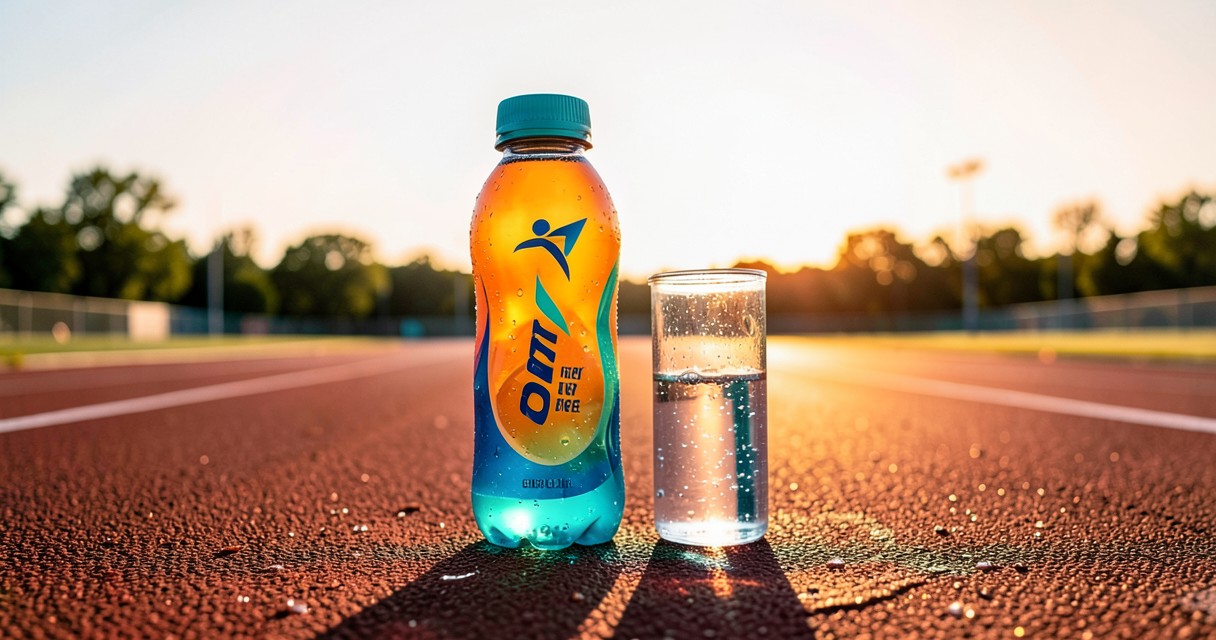
During the activity itself, athletes should aim to replace each kilogram of body weight lost with roughly one liter of fluid, adjusting for sweat rate and temperature. Sipping small amounts, one hundred to two hundred milliliters, every fifteen to twenty minutes maintains steady hydration and supplies a continuous stream of carbohydrates. After finishing, the focus shifts to rapid rehydration and glycogen restoration; a post‑exercise drink containing a higher carbohydrate concentration, around eight to ten percent, and an elevated sodium level helps reverse the fluid deficit and accelerates muscle recovery. Pairing the drink with a protein source within thirty minutes further enhances repair processes.
DIY Formulations vs. Commercial Products
Homemade sports drinks offer flexibility and transparency, allowing athletes to tailor flavor, sugar type, and electrolyte balance to personal preferences. A simple recipe might combine one liter of water, thirty grams of maltodextrin, a quarter teaspoon of sea salt, and a splash of natural fruit juice for taste and additional potassium. This blend delivers a six percent carbohydrate solution with approximately two hundred milligrams of sodium, matching many store‑bought options while avoiding artificial colors and preservatives.
Commercial drinks, however, often benefit from precise osmolarity control, advanced carbohydrate blends, and added ingredients such as caffeine or branched‑chain amino acids that can enhance performance. They also undergo rigorous testing for stability and shelf life, ensuring consistent potency across batches. For athletes who train frequently and require reliable electrolyte replenishment, a high‑quality branded product may be more convenient. The choice between DIY and commercial depends on individual goals, tolerance, and the need for specialized additives, but both approaches can effectively support endurance training when formulated correctly.