Iron is a mineral that sits at the crossroads of energy metabolism, oxygen delivery, and immune resilience, making it a non‑negotiable component of any athlete’s nutrition plan. When training intensity climbs, the body’s demand for oxygen‑rich blood and efficient ATP synthesis rises in parallel, and iron deficiency can blunt those physiological upgrades. The sports‑focused reader of skinny2o.com will recognize that even a modest shortfall in iron can translate into slower race splits, reduced training volume, and lingering fatigue that feels unrelated to workload. Understanding how iron operates within the broader context of sports drinks, supplements, and balanced meals equips athletes to protect performance and sustain long‑term health.
How Iron Fuels Cellular Energy Production
Within each cell, iron is a core component of enzymes that drive the citric acid cycle and the electron transport chain, the two processes that generate the bulk of ATP used during exercise. The iron‑sulfur clusters in complexes I, II, and III of the mitochondria shuttle electrons, ultimately enabling the synthesis of roughly 2.5 molecules of ATP per molecule of oxygen consumed. When iron stores dip below optimal levels, the efficiency of these mitochondrial pathways wanes, forcing the body to rely more heavily on anaerobic glycolysis, which yields fewer ATP molecules and produces lactic acid faster. This shift not only impairs endurance but also accelerates the perception of effort, a factor that can diminish training quality and increase injury risk.
Beyond the mitochondria, iron supports the activity of ribonucleotide reductase, an enzyme essential for DNA synthesis and repair, which is especially relevant during periods of high tissue turnover after intense workouts. Athletes who consistently train at high volumes experience amplified cellular turnover, and sufficient iron ensures that the repair mechanisms keep pace with the damage. A deficiency can therefore stall recovery, leading to prolonged muscle soreness and a compromised ability to adapt to progressive overload. The interplay between iron‑dependent enzymes and performance underscores why iron status should be monitored alongside macronutrient intake and hydration strategies.
Iron’s Role in Oxygen Transport and Endurance Capacity
Hemoglobin, the protein that ferries oxygen from the lungs to working muscles, contains iron within each of its four subunits. Each gram of hemoglobin can bind roughly 1.34 milliliters of oxygen, and the total circulating hemoglobin mass directly influences VO₂ max, the gold standard for aerobic capacity. When iron stores dwindle, the body reduces hemoglobin synthesis, leading to lower blood‑oxygen carrying capacity and a measurable decline in VO₂ max that can range from 5 to 10 percent in severely deficient athletes. For a marathon runner, that reduction translates into several minutes added to finish time, while a cyclist may notice a loss of power output during long climbs.
Myoglobin, the muscle‑resident counterpart of hemoglobin, also relies on iron to store oxygen at the cellular level, providing a rapid reservoir for short, high‑intensity bursts. Insufficient iron compromises myoglobin concentration, limiting the muscle’s ability to sustain repeated sprints or high‑intensity intervals. This effect is particularly evident in sports that blend endurance with explosive movements, such as soccer or basketball, where athletes may experience a subtle but consistent dip in performance metrics like sprint speed and jump height. Maintaining robust iron levels therefore safeguards both the aerobic engine and the anaerobic reserves essential for competitive success.
Detecting Iron Deficiency in Active Populations
Early signs of iron deficiency can masquerade as ordinary training fatigue, making detection challenging without targeted testing. Common symptoms include persistent tiredness that does not resolve after a rest day, reduced concentration during tactical drills, and a heightened perception of breathlessness during moderate‑intensity runs. Laboratory markers such as serum ferritin below 30 nanograms per milliliter, low transferrin saturation, and elevated soluble transferrin receptor provide objective evidence that iron stores are insufficient for the athlete’s demands. Regular screening every three to six months is advisable for endurance athletes, especially those with a history of menstrual blood loss or restrictive dietary patterns.
Beyond blood tests, performance‑based monitoring can reveal iron‑related declines. A gradual drop in training volume, an increase in perceived exertion at unchanged heart‑rate zones, or a slower recovery of heart‑rate variability after hard sessions may all hint at underlying iron issues. Coaches and nutritionists should integrate these functional indicators with biochemical data to decide whether dietary adjustments or supplementation are warranted. Prompt identification prevents the cascade of performance loss and health complications that can accompany prolonged iron deficiency.
Dietary Iron Sources and Challenges for Plant‑Based Athletes
Iron exists in two dietary forms: heme iron, found in animal products like red meat, poultry, and fish, and non‑heme iron, present in plant foods such as legumes, fortified cereals, and leafy greens. Heme iron boasts an absorption rate of 15 to 35 percent, while non‑heme iron is typically absorbed at 2 to 20 percent, a discrepancy that can pose a problem for vegan and vegetarian athletes who rely solely on plant sources. Strategies to boost non‑heme iron absorption include pairing iron‑rich foods with vitamin C‑laden items like citrus fruits, strawberries, or bell peppers, which convert ferric to ferrous iron and enhance uptake.
Phytates, polyphenols, and calcium can inhibit non‑heme iron absorption, so athletes should space high‑phytate meals (for example, beans or whole grains) away from iron‑focused portions by at least two hours. Cooking techniques such as soaking, sprouting, or fermenting grains and legumes reduce phytate content, thereby improving bioavailability. For those who supplement, choosing iron bisglycinate or ferrous sulfate in a form that tolerates the gastrointestinal tract can complement dietary intake, especially during training blocks where caloric intake may be constrained.
Supplementation Protocols: Timing, Form, and Safety Considerations
When dietary adjustments fall short, iron supplementation becomes a practical tool to restore optimal stores. The timing of iron intake matters; consuming iron on an empty stomach maximizes absorption, but many athletes experience stomach upset, making a light snack with vitamin C a reasonable compromise. A daily dose of 30 to 60 milligrams of elemental iron is sufficient for most adult athletes, while higher doses should only be pursued under medical supervision to avoid toxicity and oxidative stress.
Choosing the right formulation can mitigate side effects. Iron bisglycinate is known for its gentle impact on the gut, while ferrous gluconate and sulfate are more traditional but may cause constipation or dark stools. Athletes should avoid concurrent intake of calcium supplements, high‑dose zinc, or antacids, as these can compete for absorption pathways. Monitoring ferritin levels every eight weeks during a supplementation phase helps gauge effectiveness and prevents overshooting the target, which could impair immune function or increase the risk of cardiovascular complications.
Iron’s Influence on Recovery, Inflammation, and Immune Function
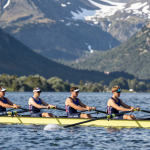
Exercise‑induced inflammation triggers a cascade of cytokines that can temporarily alter iron metabolism, a phenomenon observed in adolescent female swimmers who exhibited elevated hepcidin levels after a single high‑intensity session. Hepcidin acts as a gatekeeper, reducing iron export from cells and potentially leading to a short‑term dip in circulating iron despite adequate stores. For athletes, this means that iron status should be assessed not only at rest but also in relation to training cycles, especially during periods of heavy load or competition.
Iron also underpins immune competence by supporting the proliferation of lymphocytes and the activity of neutrophils, cells that fend off infections commonly encountered in group training environments. Deficiency can impair these defenses, leading to increased illness frequency and missed workouts. Moreover, iron participates in the synthesis of collagen, a structural protein vital for tendon health and wound repair. Ensuring sufficient iron therefore contributes to faster tissue regeneration, reduced soreness, and a lower likelihood of overuse injuries.
Integrating Iron with Sports Drinks and Performance Supplements
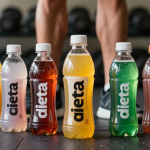
Modern sports drinks often contain electrolytes, carbohydrates, and sometimes added micronutrients to streamline post‑exercise replenishment. Incorporating iron into these beverages is challenging because iron is sensitive to oxidation and can affect flavor, yet a well‑formulated drink that includes vitamin C and a chelated iron source can provide a convenient delivery method for athletes on the go. Pairing an iron‑enhanced recovery drink with a carbohydrate‑rich shake after workouts supports glycogen restoration while simultaneously addressing the iron‑related needs prompted by training stress.
When designing a supplement stack, athletes should prioritize synergy: a multivitamin that supplies iron alongside vitamin C, B‑complex, and magnesium can reduce the need for multiple separate pills. However, the total iron dose from all sources must be tracked to avoid exceeding safe limits, particularly for individuals with genetic predispositions to iron overload. By aligning iron intake with broader nutrition strategies, athletes can optimize performance, uphold recovery quality, and maintain the delicate balance required for long‑term health.