

Understanding Supplement Labels: A Guide for Health Enthusiasts
Reading supplement labels can feel overwhelming, especially with the myriad of information presented. To make informed choices about nutritional products, it’s important to understand the specifics of low-calorie sports drinks and their benefits. This article will break down the essential elements of supplement labels, ensuring you know exactly what you are consuming.
Supplement Facts: The Foundation of the Label
At the top of every supplement label, you will find the section titled “Supplement Facts.” This section is standardized to comply with regulations, providing a consistent layout across various products. It is here that you can find critical information about the ingredients, serving sizes, and nutritional values. Familiarizing yourself with this section helps you compare different supplements effectively.
Pay attention to the serving size listed in this section. It indicates the amount recommended for consumption, which can vary significantly from one product to another. To optimize your supplement and sports drink intake, focus on timing your sports nutrition effectively throughout the day.
Decoding Serving Size and Servings Per Container
The serving size is the amount of the product that is recommended for consumption, often measured in grams or milliliters. It is crucial to adhere to the suggested serving size to avoid overconsumption of certain nutrients or ingredients, which could lead to adverse effects.
Alongside serving size, the number of servings per container is also listed. This information allows you to calculate how long a product will last based on your consumption habits. For example, if a protein powder has a serving size of 30 grams and contains 20 servings, you can determine how much of the product you will need for your workout regimen.
Nutritional Information: Key Metrics to Consider
The nutritional information section provides details about the amounts of various nutrients present in a single serving. This includes macronutrients like proteins, carbohydrates, and fats, as well as micronutrients such as vitamins and minerals. Aligning your dietary intake with your fitness goals requires a solid grasp of post-workout nutrition basics.
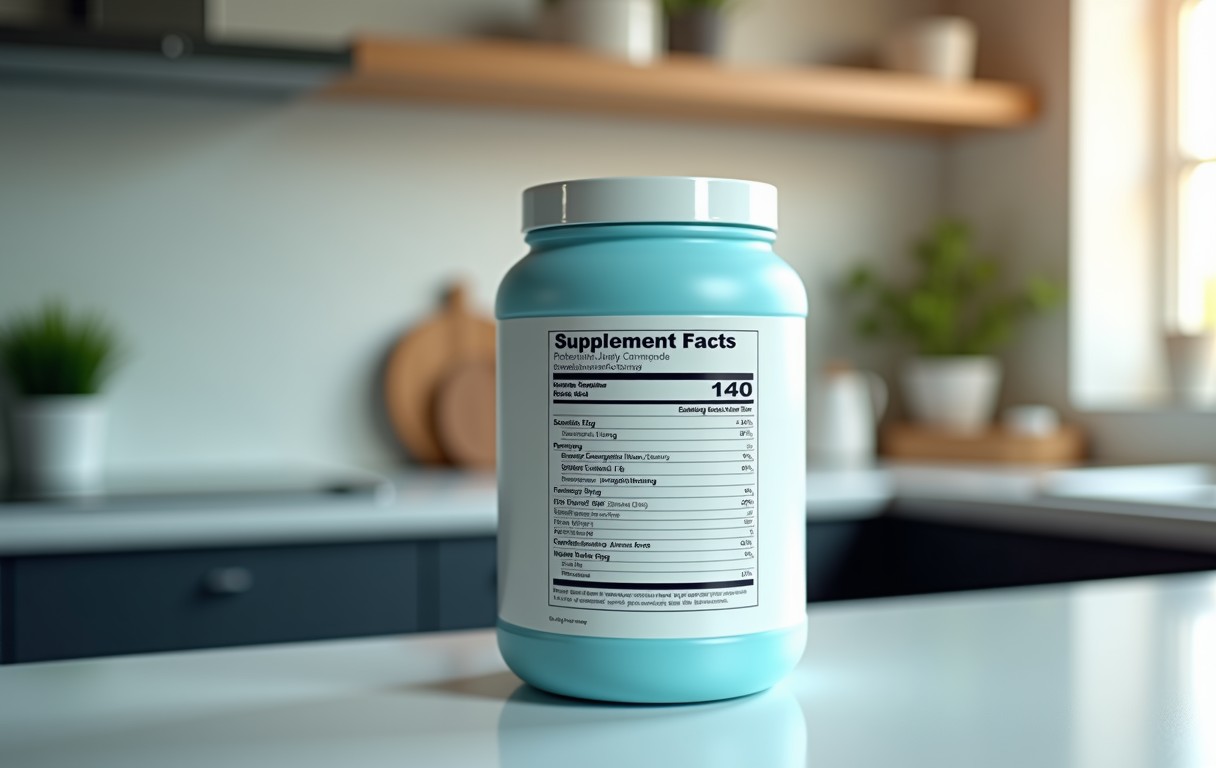
Look out for the Daily Value percentages (%DV) listed next to each nutrient. This percentage indicates how much a serving contributes to your daily nutrient requirements based on a 2,000-calorie diet. For those focused on muscle building, understanding your daily protein needs can significantly influence your supplement choices.
Ingredients: What’s Really Inside
The ingredient list is a critical component of any supplement label. It details all the components included in the product, listed in descending order by weight. Familiarizing yourself with the ingredients helps you avoid allergens, artificial additives, or substances that do not align with your dietary preferences.
When examining the ingredient list, pay close attention to proprietary blends. These blends may contain several ingredients but do not specify the exact amounts of each. While proprietary blends can be effective, they may not provide enough transparency regarding the dosages of individual components. If you are serious about your nutritional intake, opt for products that list each ingredient and its specific dosage.
Understanding Additives and Fillers
Many supplements contain additives and fillers that serve various purposes, such as improving taste, enhancing shelf life, or aiding in the manufacturing process. Common additives include artificial flavors, sweeteners, and preservatives. While some individuals may tolerate these additives, others may prefer to avoid them for health reasons.
It’s essential to be aware of these ingredients and their potential impacts on your health. If you have sensitivities or prefer clean products, look for supplements labeled as “no artificial ingredients” or “non-GMO.” The cleaner the ingredient list, the more confidence you can have in the product’s quality.
Recognizing Health Claims and Certifications
Many supplement labels feature health claims or certifications that assert the product’s benefits. These claims may include terms like “supports muscle recovery,” “boosts energy,” or “promotes fat loss.” While these claims can be enticing, it’s crucial to approach them with skepticism. Always seek scientific evidence to back up these claims before making a purchase.

Certifications from third-party organizations can also add credibility to a product. Look for seals from reputable entities that verify quality and safety, such as NSF International or Informed-Choice. These certifications ensure that the product has been tested for banned substances and meets quality standards, providing an extra layer of assurance for consumers.
Expiration Dates and Storage Instructions
Every supplement label should include an expiration date, which indicates the period during which the product is expected to maintain its potency and safety. Consuming supplements past their expiration date can lead to reduced effectiveness or, in some cases, safety concerns. Always check the expiration date before purchasing or consuming any supplement.
In addition to expiration dates, storage instructions are often provided to ensure the product remains effective. Many supplements require cool, dry storage, away from direct sunlight. Following these instructions can help preserve the quality of the product and maximize its benefits.
Making Informed Choices for Your Health
Understanding how to read supplement labels equips you with the knowledge to make informed choices about your nutritional supplements and sports drinks. By paying attention to the Supplement Facts, serving sizes, ingredients, and health claims, you can select products that align with your health and fitness goals.
As you explore the world of dietary supplements, remember that consulting with a healthcare provider or nutritionist can provide personalized guidance tailored to your specific needs. With the right information and support, you can enhance your health and performance through informed supplement choices.