Introduction to Daily Protein Needs
Protein plays a crucial role in maintaining overall health and well-being. As one of the essential macronutrients, protein is fundamental for building and repairing tissues, supporting immune function, and producing vital enzymes and hormones. Understanding the basics of protein and its importance in the diet is key to maintaining optimal health and achieving fitness goals.
When discussing protein basics, it’s important to recognize that protein is made up of amino acids, which are the building blocks of life. These amino acids perform various functions in the body, from muscle repair to supporting cellular processes. Since the body cannot produce all amino acids on its own, obtaining them through daily protein intake is essential.
The concept of daily protein needs varies depending on several factors, including age, sex, activity level, and overall health. While protein is necessary for everyone, the amount needed each day can differ greatly among individuals. Meeting daily protein intake requirements helps ensure the body functions properly and supports muscle maintenance and growth, especially for those who are physically active or recovering from illness.
Many people are unaware of how much protein they truly need each day or the best sources to obtain it from. By gaining a clear understanding of protein importance and daily protein needs, you can make informed dietary choices that contribute to long-term health. Whether you are an athlete aiming to enhance performance or simply striving to maintain a balanced diet, recognizing protein’s role is a vital first step.
In the following sections, we will explore how to calculate your daily protein intake, the differences in protein requirements among various populations, and practical tips to incorporate enough protein into your daily meals. This introduction serves as a foundation for appreciating the significance of protein and how it supports various bodily functions essential for your well-being.
Factors Influencing Protein Requirements
Understanding protein requirements is essential for maintaining optimal health and supporting bodily functions. Various protein factors influence the amount of protein an individual needs daily. These protein intake variables can differ widely from person to person, making it crucial to consider specific elements such as age, gender, activity level, and health status when determining protein needs.
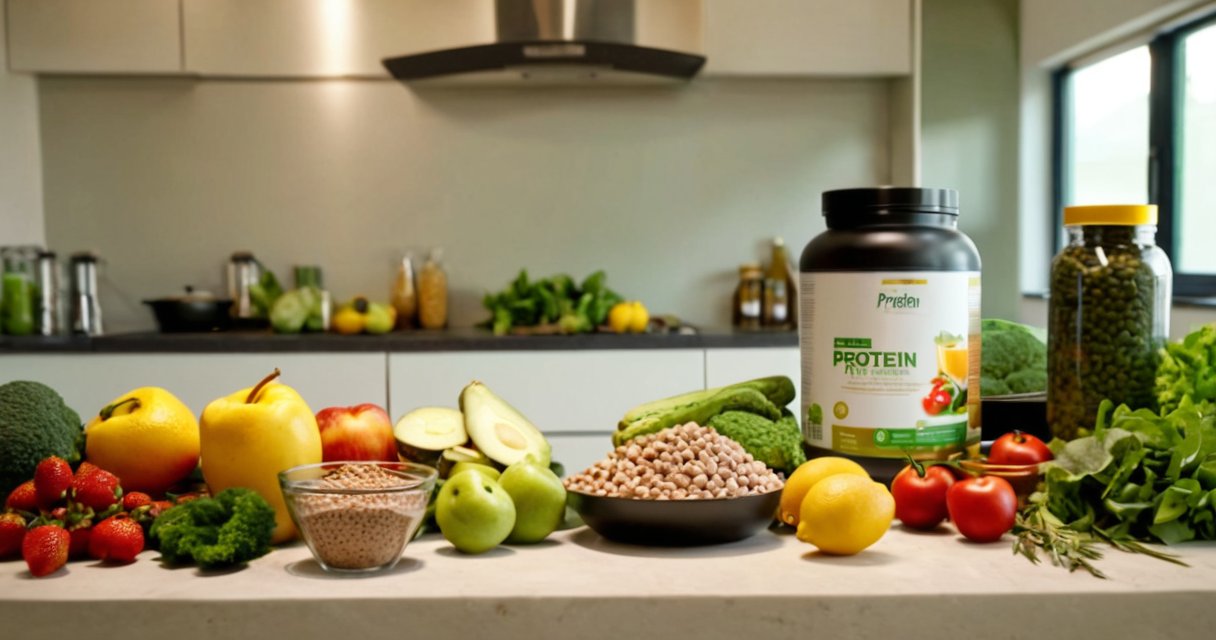
Age plays a significant role in shaping protein requirements. Infants and young children require protein to support rapid growth and development, while older adults need increased protein to help preserve muscle mass and prevent age-related muscle loss, known as sarcopenia. As metabolism and digestion change over time, protein factors related to age demand careful attention to ensure sufficient intake throughout all life stages.
Gender is another crucial variable affecting protein needs. Generally, males tend to have higher protein requirements than females due to typically greater muscle mass. Hormonal differences, including testosterone levels, influence muscle protein synthesis, thereby impacting protein intake variables. However, protein requirements for females may increase during pregnancy and lactation to support fetal growth and milk production.
Physical activity level significantly impacts protein factors as well. Active individuals, particularly those involved in strength training or endurance sports, have higher protein requirements to aid muscle repair, recovery, and growth. In contrast, sedentary lifestyles usually correspond to lower protein needs. Understanding one’s activity level helps tailor protein intake variables to support performance and overall health effectively.
Lastly, health status influences protein requirements considerably. People recovering from illness, surgery, or injury often require increased protein to facilitate healing and immune function. Chronic conditions like kidney disease may necessitate modified protein intake, sometimes lower than usual, to avoid additional stress on organs. Therefore, monitoring health conditions and adjusting protein factors accordingly is vital for appropriate protein consumption.
In summary, protein requirements hinge upon several variable factors that include age, gender, activity level, and health status. Recognizing these protein intake variables is key to meeting individual nutritional needs and optimizing health outcomes.
Age and Protein Needs
Protein needs by age vary considerably due to changes in metabolism, growth, and overall health requirements. During childhood, protein plays a vital role in supporting rapid growth, muscle development, and the repair of tissues. Consequently, children generally require higher protein intake relative to their body weight compared to adults to meet these demands.
As individuals transition into adulthood, protein recommendations tend to stabilize. Adults need adequate protein primarily to maintain muscle mass, support metabolic functions, and facilitate recovery from daily physical activities. The general protein recommendation for adults usually centers around 0.8 grams of protein per kilogram of body weight, though factors such as activity level, gender, and overall health may influence specific requirements.
When it comes to aging and protein, the requirements often increase again. Seniors face muscle loss and reduced efficiency in protein metabolism, which elevates the importance of consuming enough protein to preserve muscle strength, bone health, and immune function. Research increasingly supports higher protein recommendations for older adults—sometimes up to 1.2 grams per kilogram of body weight—to help counteract age-related decline and support healthy aging.
Understanding how protein needs by age evolve is crucial for tailoring diets that adequately meet the nutritional demands of children, adults, and seniors alike. This awareness helps ensure that all age groups receive appropriate protein levels to maintain optimal health throughout their lives.
Activity Level and Protein Intake
Protein needs vary significantly depending on your activity level. For individuals leading an active lifestyle, protein plays a crucial role in muscle repair, recovery, and overall performance. While casual exercisers require a moderate increase in protein intake to support their exercise routines, athletes demand a higher amount to meet the intensive physical challenges they consistently face.
For casual exercisers, incorporating moderate amounts of exercise protein needs into their diets helps in muscle maintenance and reducing fatigue. Typically, this group benefits from a protein intake slightly above the general recommendation, tailored to support the protein for athletes and active lifestyle protein requirements without overconsumption.
On the other hand, athletes have elevated protein for athletes needs due to increased muscle breakdown and the necessity for enhanced recovery. They often require a higher protein intake to fuel muscle growth, repair tissues, and sustain energy during rigorous training or competition. Understanding these distinctions in exercise protein needs ensures that both casual exercisers and athletes optimize their nutrition for their specific activity levels.
How to Calculate Your Daily Protein Needs
Calculating your protein intake is essential to ensure you meet your body’s nutritional requirements. Whether you want to maintain muscle, lose weight, or improve athletic performance, understanding how to calculate protein daily requirements tailored to your lifestyle can make a significant difference.
The most common method to estimate your daily protein needs is by using your body weight as a reference. The general recommendation for average adults is about 0.8 grams of protein per kilogram (kg) of body weight. To calculate this, multiply your weight in kilograms by 0.8. For example, if you weigh 70 kg, your daily protein intake would be 70 × 0.8 = 56 grams.
However, protein daily requirements vary depending on your activity level and goals. Athletes or people engaged in intense physical activity typically require more protein to support muscle repair and growth. In these cases, protein intake can increase to 1.2–2.0 grams per kilogram of body weight. For instance, a 70 kg athlete might calculate their protein needs as 70 × 1.5 = 105 grams daily.
If you want a more personalized estimate, many online protein calculators allow you to input specific data such as age, weight, activity level, and fitness goals. These protein calculators are useful tools to help you fine-tune your intake and keep track of your nutritional plan. By using a protein calculator, you can easily determine the optimal protein amount tailored to your unique lifestyle and physical demands.
For those focusing on weight loss or muscle building, some experts recommend increasing protein intake to around 1.6 to 2.2 grams per kilogram. This higher range supports fat loss while preserving lean muscle mass. To calculate, simply multiply your body weight by the target number within this range. For example, 70 kg × 2.0 = 140 grams of protein daily.
In summary, to calculate protein intake effectively, start with your body weight in kilograms and adjust according to your activity level and goals. Using formulas and tools like a protein calculator can simplify determining protein daily requirements and help you stay on track for optimal health and performance.
Sources of Protein and Using Them Wisely
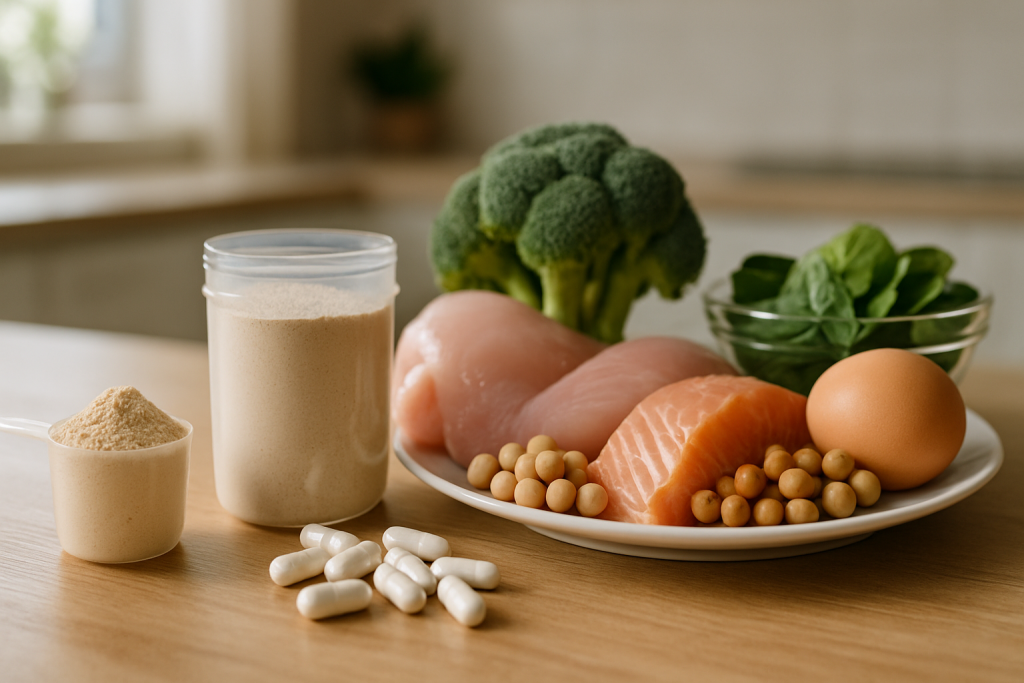
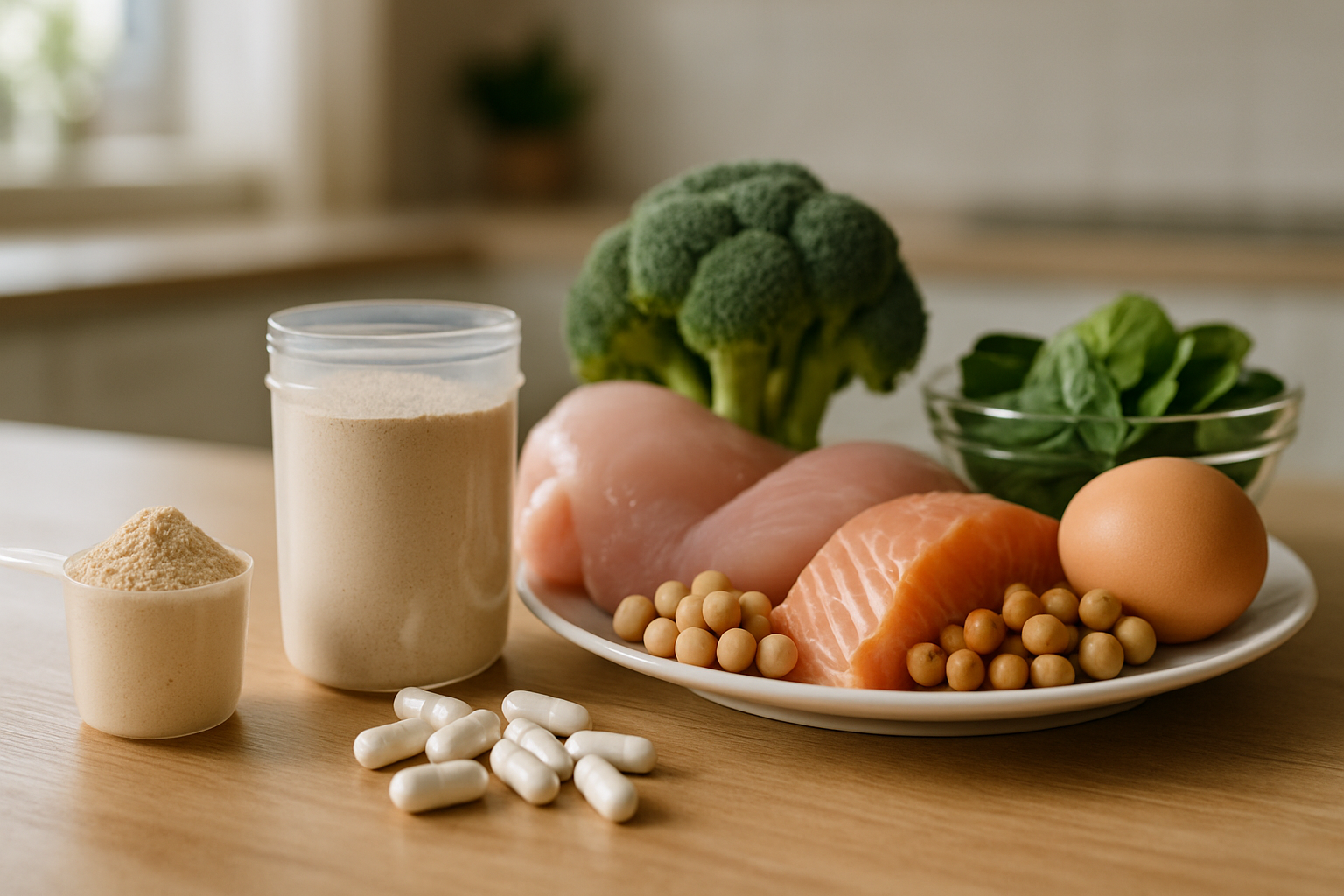
Protein sources play a crucial role in meeting your dietary protein requirements and maintaining overall health. Understanding the differences between plant and animal protein can help you make informed decisions about your daily meals. Both types offer unique benefits and can be combined creatively to ensure you get a balanced intake of essential amino acids.
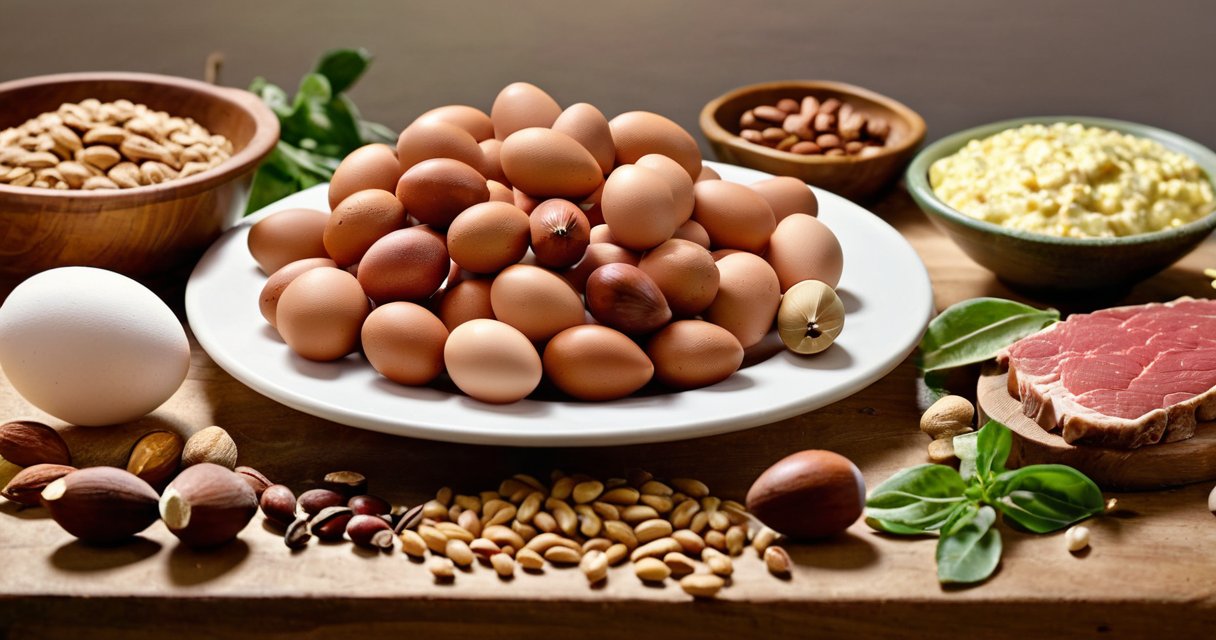
Animal-based protein sources include meats like chicken, beef, pork, and fish, as well as dairy products and eggs. These sources provide complete proteins, meaning they contain all nine essential amino acids needed by the body. Additionally, animal proteins are rich in micronutrients such as vitamin B12, iron, and zinc, which are vital for energy metabolism and immune function. However, it’s important to choose lean cuts and limit processed meats to support heart health.
On the other hand, plant-based protein sources include legumes (beans, lentils, chickpeas), nuts, seeds, whole grains, and soy products. While many plant proteins are considered incomplete because they may lack one or more essential amino acids, combining different plant sources can create a complete amino acid profile. For example, rice and beans together provide all essential amino acids. Plant proteins often contain fiber, antioxidants, and beneficial phytochemicals that promote digestion and reduce inflammation.
Incorporating a variety of protein sources into your diet is a smart strategy to optimize nutritional benefits. Start by adding legumes or nuts to salads and soups, enjoy tofu or tempeh as meat alternatives, and include whole grains like quinoa or farro in your meals. If you consume animal protein, balance it with plenty of vegetables and opt for grilling, baking, or steaming instead of frying.
Using protein sources wisely also means paying attention to portion size and meal timing. Aim to include moderate amounts of dietary protein in each meal to support muscle repair and satiety throughout the day. Snack options such as Greek yogurt, a handful of nuts, or a protein smoothie can help maintain steady energy levels. Ultimately, embracing a diverse range of protein sources, both plant and animal, will support your daily protein needs and promote long-term wellness.

I’ve always been fascinated by how the right nutrients can boost performance and recovery, so I spend my free time testing new sports drinks and supplements. Sharing what I learn helps others make informed choices for their fitness goals.