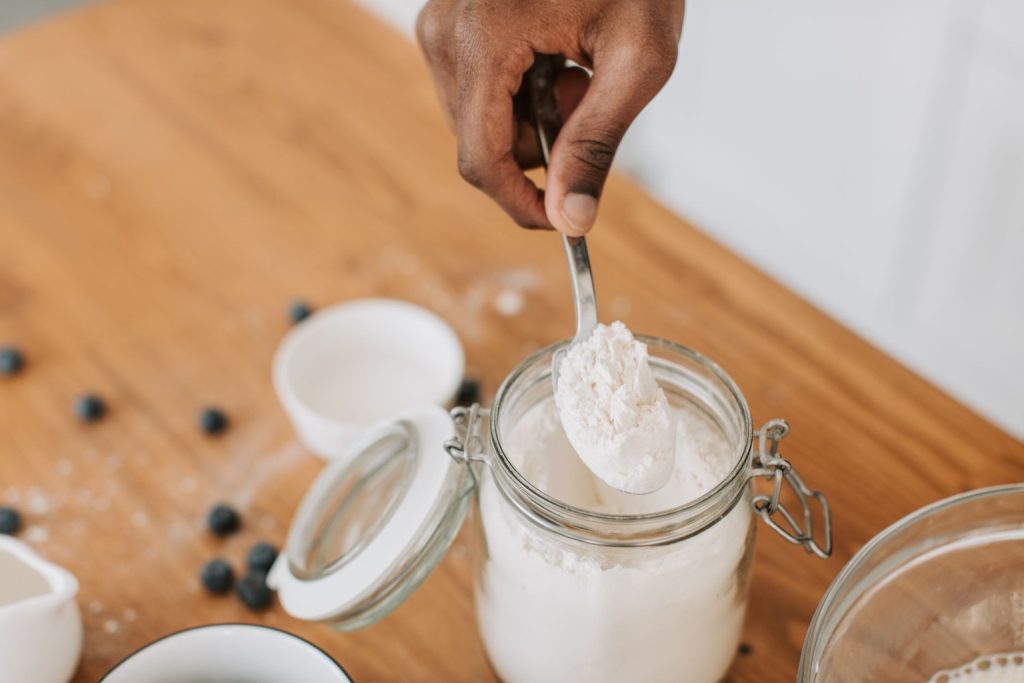

When exploring the safety profile of protein powders and performance boosters, few ingredients spark as much debate as the structural protein derived from animal connective tissues. Athletes often wonder if collagen peptides can cause harm, particularly when mixed into drinks. The concern stems from a general suspicion toward supplements, but the current scientific consensus suggests that high-quality, pure formulations do not pose a carcinogenic risk for the average active individual. Authorities such as the National Institutes of Health and various peer-reviewed reviews have not found evidence linking standard supplementation to tumor development. Instead, the protein supports tissue repair and joint health, which are primary goals for athletes and fitness enthusiasts. Understanding the source and processing methods is key to ensuring you are getting a product that supports performance without unwanted side effects.
Understanding Sourcing and Purity Standards
The first factor to consider when evaluating any supplement is where the ingredients come from. Marine sources, bovine hides, and chicken sternums all offer different amino acid profiles, but the risk of contamination is what matters most for cancer concerns. Reputable brands test for heavy metals, pesticides, and microbial load, adhering to Good Manufacturing Practices that many regulatory bodies oversee. Products that are hydrolyzed or broken down into peptides are generally easier for the body to absorb, reducing the likelihood of undigested particles causing inflammation. Inflammation, if chronic, is a state that some research has associated with cellular damage, so choosing a clean, tested product helps mitigate that risk. Always look for third-party certification seals on the label, as these provide an extra layer of assurance regarding what is actually inside the tub.
Examining the Amino Acid Composition
Beyond the source, the specific makeup of the protein itself plays a role in how the body utilizes it. This compound is rich in glycine, proline, and hydroxyproline, which are the building blocks for cartilage, skin, and connective tissue. These amino acids are not typically found in high concentrations in standard whey or plant-based blends, making it a unique addition to a sports nutrition regimen. While some online forums speculate about harmful effects, the biochemical function of these specific residues is to support structural integrity, not to interfere with DNA replication or cell division. The body metabolizes these peptides efficiently, and there is no established mechanism by which they would trigger malignant transformation. For those focused on longevity and joint mobility, this amino profile is a significant draw.
Addressing Contaminant Concerns
One of the most common worries involves the possibility of residual substances from the animal’s life, such as antibiotics or growth hormones, which some consumers fear could have long-term health implications. High-quality manufacturers operate under strict farm-to-supplement traceability protocols, often sourcing from grass-fed, pasture-raised animals that are free from routine antibiotic use. Additionally, the extraction processes used to turn raw hides or fish scales into a fine powder typically involve high heat and filtration, which further reduce any potential chemical residues. Regulatory agencies set maximum limits for contaminants in food and supplement products, and compliant brands routinely test batches to ensure they fall well below those thresholds. This rigorous testing is what separates premium options from generic bulk bins found in discount stores.
Dr Liz O’Riordan covers this important topic on her channel, and you can watch the video right here.

Comparing Forms: Powders vs. Ready-to-Drink
Consumers also debate whether the delivery format affects safety or efficacy. Powder versions allow for precise dosing and can be mixed into water, oatmeal, or coffee, while ready-to-drink beverages offer convenience for those on the go. From a safety standpoint, both can be formulated to be free of added sugars, artificial colors, and preservatives that some believe could contribute to metabolic stress. However, ready-to-drink options often have a shorter shelf life and may require more complex preservative systems to remain stable, which could be a consideration for those seeking the cleanest possible intake. Powders, when stored in a cool, dry place, typically maintain potency for longer periods without needing chemical stabilizers. Ultimately, the choice depends on lifestyle preferences, but both can be safe if sourced from reputable companies.
Integrating into a Balanced Diet
No supplement works in isolation, and the way you combine it with other foods can influence how your body responds. Pairing this protein source with vitamin C-rich fruits, such as berries or citrus, can enhance the body’s natural collagen synthesis, creating a synergistic effect for tissue repair. Conversely, relying on it as a sole protein source while neglecting diverse whole foods could lead to nutritional gaps that, over time, might impact overall health. Athletes should view it as a complementary tool alongside lean meats, legumes, and vegetables, rather than a replacement. A well-rounded diet supports immune function and cellular health far more effectively than any single powder or pill ever could.

Listening to Your Body and Professional Guidance
As with any addition to a nutrition plan, individual response varies. Some people experience digestive discomfort if they consume large amounts too quickly, which is usually a matter of dosage adjustment rather than a sign of toxicity. Starting with a single scoop and mixing it into a familiar beverage allows you to gauge tolerance before increasing the serving size. While the question, can collagen cause cancer, is frequently searched online, the answer from the broader medical community remains reassuring: there is no credible evidence to support a causal link when the product is used as directed. However, if you have specific health conditions, a history of hormone-sensitive cancers, or are pregnant or nursing, it is always wise to discuss new supplement habits with a qualified healthcare provider who knows your medical history.

I’ve always been fascinated by how the right nutrients can boost performance and recovery, so I spend my free time testing new sports drinks and supplements. Sharing what I learn helps others make informed choices for their fitness goals.