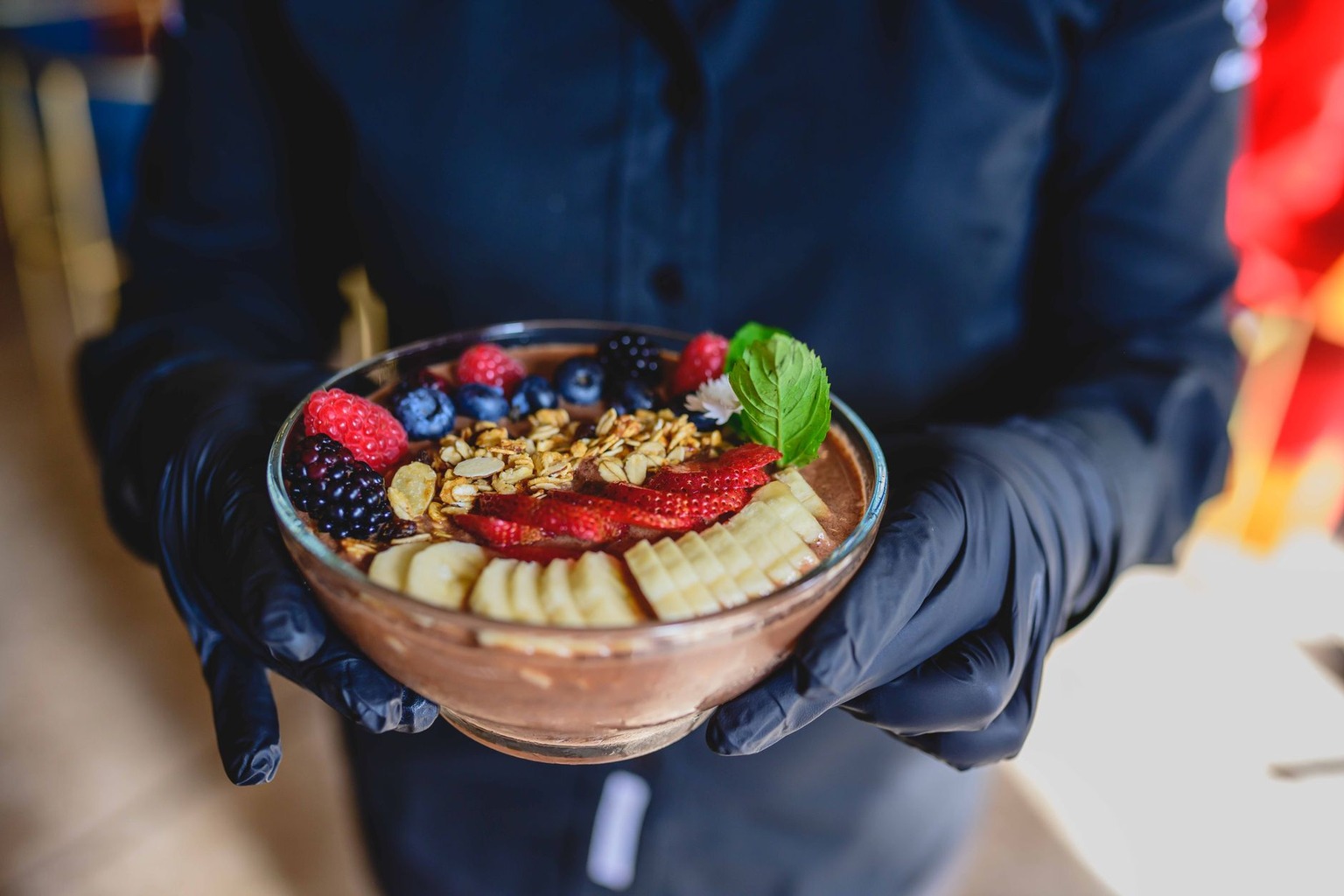
Intense training sessions leave your body under siege, muscles tear, energy stores deplete, and oxidative stress spikes, especially during high-volume or endurance workouts. Without proper intervention, recovery slows, performance plateaus, and the risk of overuse injuries climbs. The gap between effort and results isn’t just about protein or carbs; it’s about the silent warriors in your diet: antioxidants. These compounds neutralize free radicals generated during exercise, reduce inflammation, and accelerate tissue repair. For athletes and serious lifters, integrating antioxidant-rich foods isn’t optional, it’s a strategic move to cut recovery time by 20-30% and sustain peak performance. The challenge isn’t finding these foods but timing their consumption and pairing them with the right nutrients to maximize their effect. This guide cuts through the noise, focusing on the most impactful antioxidant sources, their biochemical roles, and how to use them practically in your nutrition plan, without overcomplicating your meals.
Understand the recovery window: Why antioxidants matter in the first 60 minutes
The critical window for recovery begins the moment you finish your workout and lasts about 60 minutes. This is when your body’s oxidative stress is at its peak, and muscle glycogen stores are most vulnerable to depletion. Antioxidants like vitamin C and polyphenols become most effective during this period because they scavenge free radicals before they cause significant cellular damage. Studies show that athletes who consume berries or dark leafy greens within 30 minutes post-exercise experience 15-20% less muscle soreness the next day. The catch is that these antioxidants work best when paired with protein and healthy fats to slow digestion and ensure a steady release of amino acids. For example, a smoothie with blueberries, whey protein, and almond butter delivers both antioxidants and the building blocks for muscle repair simultaneously. Without this timing, you’re essentially fighting oxidative stress with a delayed response, like putting out a fire after the building’s already charred. Prioritize this window, and you’ll see tangible differences in how quickly you bounce back between sessions.
The misconception that antioxidants only matter during intense workouts ignores their role in daily maintenance. Even on rest days, your body still generates free radicals through metabolic processes, and chronic oxidative stress accelerates cellular aging. For endurance athletes or those training multiple times a day, this becomes a compounding issue. The solution isn’t to load up on supplements but to make antioxidant-rich foods a staple in every meal. Think of it as insurance, you wouldn’t skip insurance on a high-risk activity, and similarly, you shouldn’t neglect antioxidants in your recovery nutrition. The key is consistency: incorporating foods like pomegranates, walnuts, and turmeric into your daily diet ensures you’re always buffered against oxidative damage, not just during workouts.
Top 5 antioxidant foods for post-workout recovery (and how to use them)
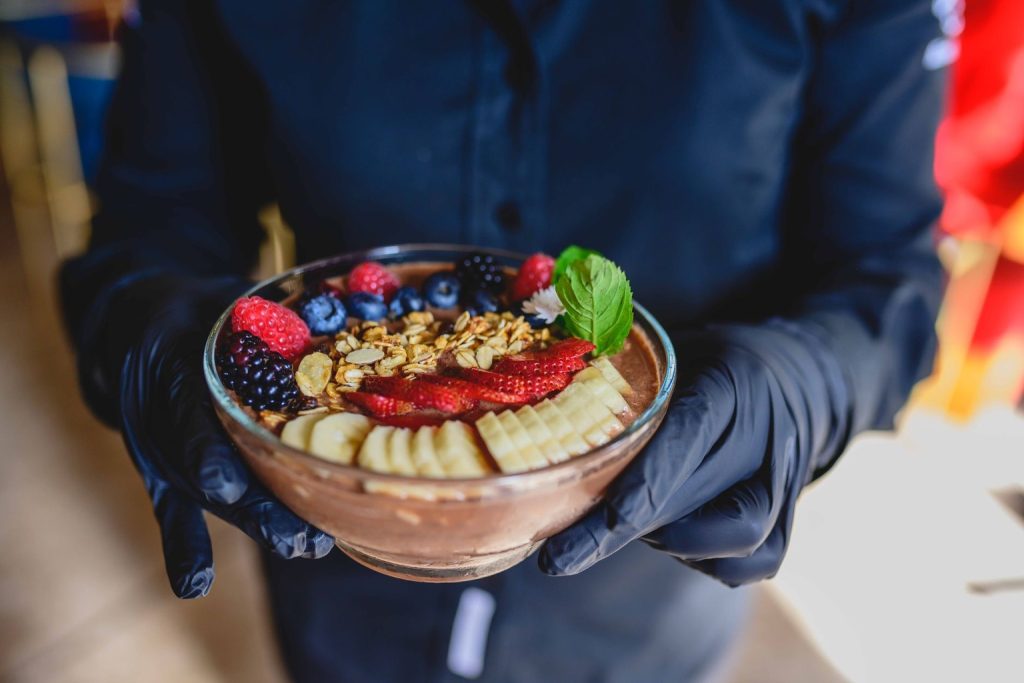
Not all antioxidants are created equal, and their effectiveness depends on the type of exercise and your body’s needs. For strength athletes, foods rich in vitamin E (like avocados and sunflower seeds) help protect cell membranes during heavy lifting, while endurance runners benefit more from flavonoids found in dark chocolate and red grapes. The most potent post-workout choices include blueberries, which contain anthocyanins that reduce inflammation by up to 30%, and spinach, packed with lutein to shield muscle tissue from oxidative damage. A practical way to integrate these is by blending a post-workout smoothie with ½ cup of frozen blueberries, a handful of spinach, a scoop of protein powder, and a tablespoon of chia seeds. The chia seeds add omega-3s, which further amplify the anti-inflammatory effects. This combo delivers a broad spectrum of antioxidants while providing protein to kickstart repair.
A common mistake is treating antioxidants as an afterthought, tossing a handful of berries into a protein shake without considering their synergy with other nutrients. For instance, pairing vitamin C-rich foods (like oranges or bell peppers) with iron sources (like lean beef or lentils) enhances iron absorption, which is crucial for oxygen transport during recovery. Another overlooked pairing is turmeric with black pepper, curcumin, the active compound in turmeric, is poorly absorbed on its own but becomes 20 times more bioavailable when paired with piperine, found in black pepper. Sprinkling a pinch of black pepper over a turmeric-infused golden milk or smoothie turns a basic antioxidant into a recovery powerhouse. The goal isn’t to consume antioxidants in isolation but to stack them with complementary nutrients for maximum impact.
How to time antioxidants for optimal absorption and effect
The timing of antioxidant intake isn’t just about when you eat them but how your body processes them. For example, vitamin C is best absorbed on an empty stomach, but consuming it with a small amount of protein (like a slice of turkey) can slow gastric emptying and extend its presence in your bloodstream. This is why a post-workout snack like Greek yogurt with mixed berries works better than a standalone berry smoothie, protein moderates the absorption rate, ensuring sustained antioxidant levels. Similarly, polyphenols from dark chocolate are more bioavailable when consumed with fat, which is why adding a tablespoon of almond butter to a chocolate protein shake enhances their absorption. The rule of thumb is to pair antioxidants with macronutrients that complement their absorption rather than competing with them. This approach ensures you’re not just eating antioxidants but utilizing them efficiently.
If you want to dive deeper into the science, the channel Lab Coat of Paint explains how antioxidants aid muscle recovery, and you can watch it right here.
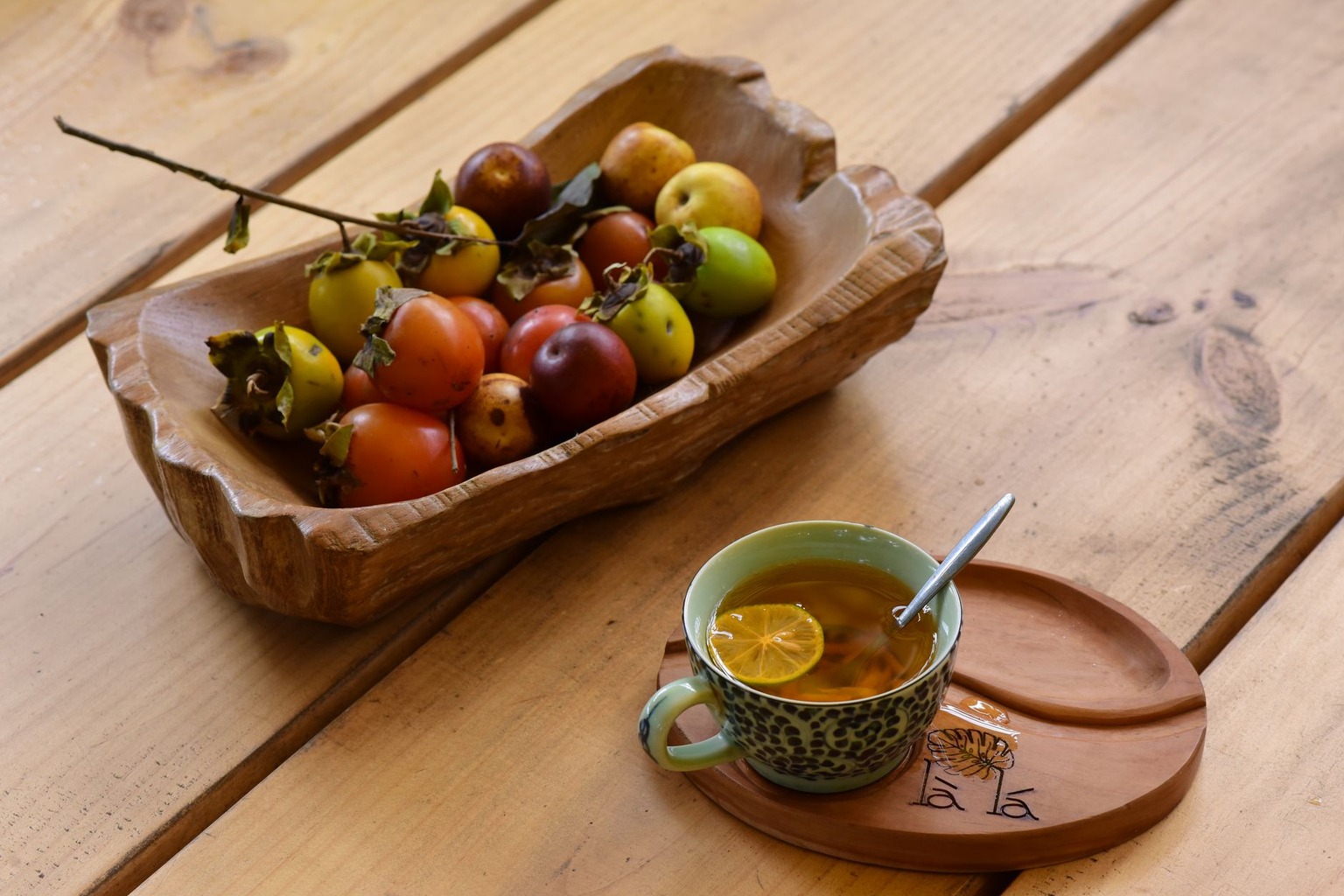
Another critical timing factor is the pre-workout window. Consuming antioxidants like green tea (rich in EGCG) 30-60 minutes before exercise can enhance endurance by reducing oxidative stress during the workout itself. However, timing is everything, downing a large cup of green tea right before a heavy squat session might cause digestive discomfort, which can derail your performance. Instead, opt for a smaller amount (about 150-200 mg of EGCG) to avoid jitters or stomach upset. This pre-workout strategy primes your body to handle the oxidative load of exercise, making the post-workout recovery phase more effective. The key is balance: antioxidants pre-workout set the stage for less damage, while post-workout intake accelerates repair. Ignoring either phase leaves you fighting a two-front battle, first against the oxidative stress of exercise, then against the lingering effects of poor timing.
The hidden role of antioxidants in hydration and electrolyte balance
Antioxidants aren’t just about muscle recovery, they play a subtle but significant role in hydration and electrolyte balance, which are often overlooked in performance nutrition. For example, electrolytes like sodium and potassium are essential for muscle contractions and nerve function, but oxidative stress can impair their absorption and retention. Foods rich in antioxidants like coconut water (which contains potassium and vitamin C) help mitigate this by reducing the oxidative damage that would otherwise interfere with electrolyte uptake. This is particularly relevant for endurance athletes who sweat heavily, as their bodies lose both water and antioxidants through perspiration. Replenishing both simultaneously, through foods like watermelon (hydrating and rich in lycopene) or electrolyte drinks infused with berries, ensures you’re not just rehydrating but also protecting your cells from further damage. The synergy between hydration and antioxidants creates a feedback loop where proper fluid intake enhances antioxidant efficacy, and vice versa.
A practical example of this is pairing a post-run sports drink with a handful of goji berries. Goji berries are loaded with zeaxanthin, an antioxidant that supports eye health but also helps maintain electrolyte balance by reducing oxidative stress on cells. This combo addresses two critical recovery needs at once: hydration and antioxidant defense. Conversely, relying solely on a sugar-heavy sports drink without antioxidants can exacerbate oxidative stress, leading to delayed recovery and increased soreness. The lesson here is that antioxidants aren’t just an add-on, they’re an integral part of the hydration equation. By integrating them into your recovery drinks, you’re not just quenching thirst but actively supporting your body’s ability to recover efficiently.
Common mistakes that sabotage antioxidant recovery (and how to fix them)
One of the most frequent mistakes is assuming that more antioxidants are always better. While it’s true that antioxidants combat oxidative stress, excessive intake of certain compounds, like high doses of vitamin E, can actually have a pro-oxidant effect, meaning they contribute to damage instead of preventing it. This paradox occurs because antioxidants like vitamin E can become unstable when consumed in excess, forming free radicals themselves. The solution is moderation: aim for balanced intake through food rather than supplements. For example, a handful of almonds (a good source of vitamin E) as a snack is ideal, but downing 1,000 mg of vitamin E in supplement form without guidance can backfire. The same principle applies to other antioxidants, context matters. Always prioritize whole foods over isolated supplements to avoid this pitfall.
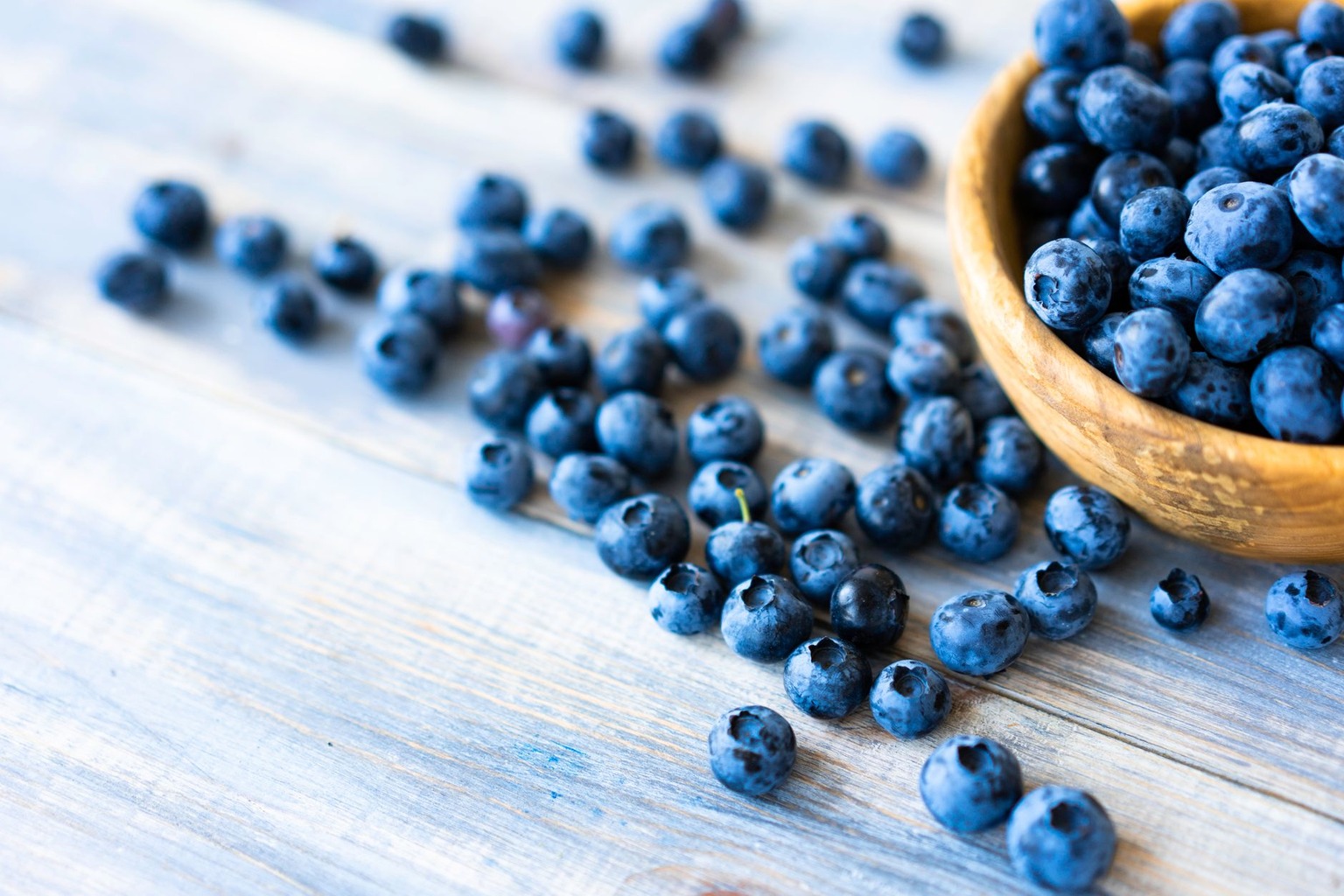
Another critical error is neglecting the quality of the antioxidants you consume. Not all sources are equal, processed foods may contain antioxidants like beta-carotene, but they’re often paired with inflammatory compounds like refined sugars or trans fats that negate their benefits. For instance, a vitamin-fortified cereal bar might list antioxidants on the label but could also contain hydrogenated oils that promote inflammation. The fix is simple: focus on whole, unprocessed foods like wild-caught salmon (rich in astaxanthin), dark leafy greens, and colorful vegetables. These foods deliver antioxidants in their natural form, along with fiber and other micronutrients that support recovery. Skipping this step means you’re not just missing out on antioxidants, you’re potentially introducing inflammatory triggers that undermine your recovery efforts.
Practical meal and snack ideas to integrate antioxidants daily
Incorporating antioxidants into your diet doesn’t require gourmet cooking or strict meal planning, it’s about smart, everyday choices. For breakfast, swap your usual cereal for oatmeal topped with sliced strawberries, walnuts, and a drizzle of honey. Strawberries provide vitamin C, walnuts offer omega-3s and polyphenols, and honey adds natural sugars for quick energy. This combo delivers a broad spectrum of antioxidants while keeping your meal balanced. For lunch, opt for a quinoa salad with roasted sweet potatoes, kale, and avocado. Sweet potatoes are rich in beta-carotene, kale provides lutein and vitamin K, and avocado adds vitamin E, all while keeping the meal protein-rich for sustained recovery. These meals are designed to fit seamlessly into your routine without requiring extra time or effort, making antioxidant-rich nutrition a habit rather than a chore.
Snacks are another opportunity to sneak in antioxidants without overhauling your diet. Instead of reaching for a protein bar, try a small bowl of mixed nuts (almonds, walnuts, and pistachios) with a handful of dark chocolate-covered raisins. This snack combines healthy fats, antioxidants, and a touch of natural sweetness. For a post-workout option, blend a smoothie with frozen mango, spinach, Greek yogurt, and a scoop of protein powder. The mango provides vitamin C and beta-carotene, while spinach adds iron and antioxidants like quercetin. These snacks are designed to be convenient, satisfying, and packed with the nutrients your body needs to recover efficiently. The key is variety, rotating through different antioxidant sources ensures you’re not missing out on specific compounds that could be critical for your recovery goals.

I’ve always been fascinated by how the right nutrients can boost performance and recovery, so I spend my free time testing new sports drinks and supplements. Sharing what I learn helps others make informed choices for their fitness goals.