Why Hydration Fuels High-Intensity Performance
High-intensity workouts push your body to its limits, and every rep, sprint, or circuit demands precise fueling. Water alone isn’t enough when you’re sweating out more than just fluid. During a 45-minute HIIT session, you can lose up to 1.5 liters of sweat, taking sodium, potassium, and magnesium with it. These electrolytes regulate muscle contractions, nerve signals, and fluid balance, so when they drop, your performance does too. A 2% drop in body weight from dehydration can cut power output by 10%, turning a PR attempt into a struggle. The right sports drink or supplement doesn’t just replace lost fluids; it restores the minerals that keep your muscles firing and your heart rate steady.
Most athletes focus on pre-workout carbs or post-workout protein, but hydration is the silent variable that dictates whether those nutrients even reach your muscles. Blood plasma volume drops when you’re dehydrated, slowing nutrient delivery and waste removal. This creates a domino effect: glycogen depletes faster, lactate builds up sooner, and recovery takes longer. For example, a CrossFit athlete who skips electrolytes during a metcon might hit the wall at minute 12 instead of pushing through to 20. The solution isn’t just drinking more, it’s drinking smarter, with formulations designed for the demands of high-intensity training.
Electrolyte Balance for Explosive Workouts
Sodium is the most critical electrolyte for high-intensity athletes, yet many sports drinks underdose it. A typical sweat loss during a heavy lifting session or sprint interval can strip 500–1,000 mg of sodium per hour, while most commercial drinks provide only 100–200 mg per serving. This mismatch leads to cramping, fatigue, and even hyponatremia if you overcompensate with plain water. Potassium and magnesium play supporting roles, but sodium is the linchpin. It maintains the electrical gradient across cell membranes, which is essential for muscle contractions and nerve impulses. Without enough sodium, your muscles can’t fully contract, and your brain can’t send signals efficiently.
Magnesium often gets overlooked, but it’s just as vital for high-intensity performance. It regulates calcium flow in muscle cells, preventing excessive contraction and cramping. A study on endurance athletes found that those who supplemented with magnesium had a 10% improvement in power output during repeated sprints. Potassium, meanwhile, works alongside sodium to maintain fluid balance inside and outside cells. When these electrolytes are in sync, your body can sustain high-intensity efforts longer. For example, a football player who loses 3% of their body weight in sweat during a game might see their vertical jump drop by 5 inches, unless they’re replenishing sodium and potassium at the right ratios.
For those with an active lifestyle, it’s important to know that electrolytes explained in detail can help optimize performance. Table salt is 40% sodium and 60% chloride, but your body needs a more nuanced balance. Celtic sea salt, for instance, contains trace minerals like calcium and zinc, which support enzyme function and recovery. A pinch of it in your water bottle can make a noticeable difference during a long workout. The key is to match your electrolyte intake to your sweat rate, which varies based on intensity, duration, and environment. A sprinter in a cool gym might need 500 mg of sodium per hour, while a marathon runner in 90-degree heat could require 1,500 mg or more.
Timing Your Hydration for Maximum Impact
Pre-loading with fluids and electrolytes sets the stage for a strong workout. Drinking 500 ml of water with 300–500 mg of sodium 2–3 hours before training primes your body to retain fluid. This isn’t just about avoiding thirst, it’s about ensuring your blood volume is high enough to deliver oxygen and nutrients efficiently. A study on cyclists found that those who pre-loaded with a sodium-rich drink had a 5% higher power output in the first 30 minutes of exercise compared to those who drank plain water. The difference comes down to plasma volume: higher sodium levels help your body hold onto fluid, keeping your cardiovascular system running smoothly.
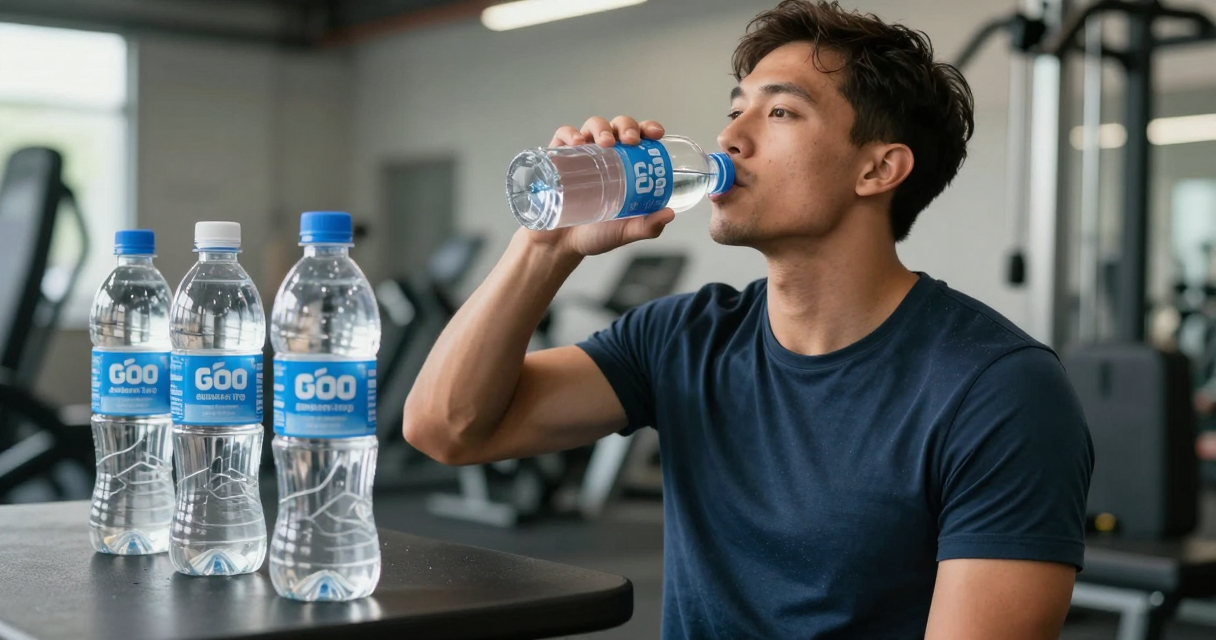
During high-intensity workouts, sipping small amounts frequently works better than chugging large volumes. Aim for 150–250 ml every 15–20 minutes, with a drink that contains 200–300 mg of sodium per serving. This keeps your electrolyte levels stable without overwhelming your stomach. For example, a boxer in a 12-round sparring session might take 3–4 sips between rounds, using a drink with a 3:1 sodium-to-potassium ratio. This ratio mimics sweat composition, ensuring you’re replacing what you’re losing. If you wait until you’re thirsty, you’re already behind, thirst kicks in after you’ve lost about 1% of your body weight in fluid, which is enough to impair performance.
Ensuring proper post-workout hydration is essential, particularly if you plan to train again within the next day. Rehydrating with a drink that contains sodium and carbohydrates accelerates fluid retention. A 2018 study found that athletes who drank a sodium-carb solution after exercise retained 50% more fluid than those who drank water alone. The carbohydrates help shuttle sodium into your cells, where it pulls water in with it. For example, a weightlifter who loses 2 liters of sweat during a session should aim to replace 150% of that loss within 2 hours. This means drinking 3 liters of fluid, with 1,000–1,500 mg of sodium and 30–50 grams of carbs, to fully restore balance.
Choosing the Right Sports Drink for Your Workout
Not all sports drinks are designed for high-intensity training. Many commercial options are loaded with sugar and lack the sodium needed to replace sweat losses. A good high-intensity sports drink should have 200–300 mg of sodium per serving, 50–100 mg of potassium, and 10–20 grams of carbohydrates. The carbs should come from a mix of glucose and fructose, which are absorbed at different rates to provide sustained energy. For example, a drink with a 2:1 glucose-to-fructose ratio can deliver up to 1.5 grams of carbs per minute, fueling repeated sprints or heavy lifts without causing stomach issues.
For athletes who prefer natural options, coconut water is a popular choice, but it falls short for high-intensity workouts. It contains only 50–100 mg of sodium per serving, which isn’t enough to replace sweat losses. Adding a pinch of sea salt or a magnesium supplement can bridge the gap. Another option is homemade sports drinks, which let you control the electrolyte and carb content. A simple recipe might include 500 ml of water, 300 mg of sodium, 100 mg of potassium, and 20 grams of honey. This provides the right balance of electrolytes and quick-digesting carbs for a 60-minute HIIT session.
For those who train in extreme conditions, like hot yoga or outdoor CrossFit, a hypertonic drink might be necessary. These drinks have a higher concentration of electrolytes and carbs than your blood, which helps pull water into your cells faster. They’re not ideal for all workouts, but they can be a game-changer for sessions lasting longer than 90 minutes or in temperatures above 85°F. For example, a triathlete competing in a hot climate might use a hypertonic drink during the bike leg to prevent dehydration and maintain power output.
Hydration Supplements Beyond the Bottle
Electrolyte tablets and powders offer a convenient way to customize your hydration strategy. Brands like Nuun and LMNT provide single-serving packets with precise sodium, potassium, and magnesium ratios. These are ideal for athletes who need to adjust their intake based on sweat rate or workout intensity. For example, a powerlifter might use a low-carb electrolyte tablet during a heavy squat session, while a marathon runner could opt for a higher-carb version during long runs. The key is to choose a product that matches your needs, some tablets contain as little as 100 mg of sodium, while others pack 500 mg or more.
Creatine monohydrate isn’t just for strength gains, it also supports hydration at the cellular level. Creatine pulls water into muscle cells, increasing intracellular hydration. This can improve power output and reduce fatigue during high-intensity efforts. A 2019 study found that athletes who combined creatine with electrolytes had a 7% higher work capacity during repeated sprints compared to those who used electrolytes alone. The combination works because creatine enhances fluid retention in muscles, while electrolytes maintain overall fluid balance. For example, a sprinter taking 5 grams of creatine daily might notice less cramping and faster recovery between intervals.
Collagen peptides are another supplement that supports hydration indirectly. They provide glycine, an amino acid that helps regulate fluid balance and reduce inflammation. While collagen isn’t a direct electrolyte source, it can improve joint health and recovery, allowing you to train harder and longer. For example, a basketball player who supplements with collagen might experience less joint pain during high-impact workouts, enabling them to maintain intensity without compensating with poor hydration habits. When combined with electrolytes, collagen can help sustain performance across multiple training sessions.
Signs You’re Not Hydrating Effectively
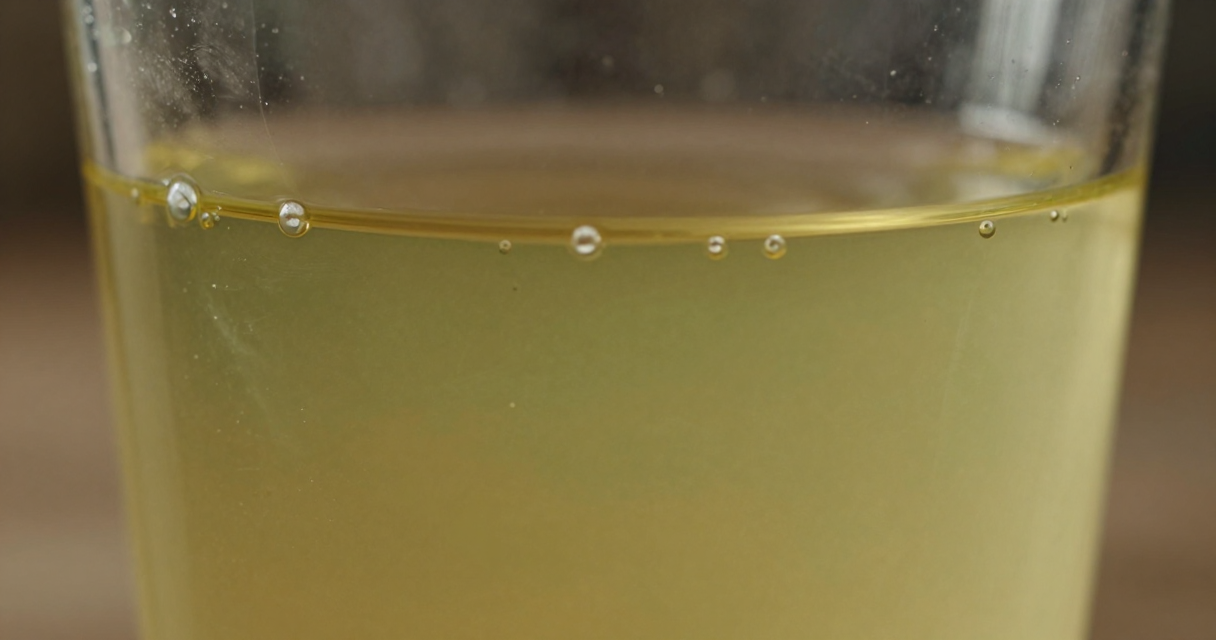
Dark yellow urine is the most obvious sign of dehydration, but it’s not the only one. If your urine is consistently the color of apple juice, you’re already behind on fluids. Other red flags include muscle cramps, especially in the calves or hands, which signal electrolyte imbalances. For example, a runner who cramps in the last mile of a 5K might be low on sodium or magnesium. Fatigue that sets in earlier than usual is another clue, dehydration reduces blood flow to muscles, making even light efforts feel harder. A weightlifter who struggles to complete their usual set of deadlifts might be dehydrated, not just fatigued.
Headaches during or after workouts are often dismissed as stress or lack of sleep, but they can indicate dehydration. When your brain loses fluid, it shrinks slightly, pulling on the membranes that connect it to your skull. This triggers pain receptors, leading to a dull, persistent headache. For example, a swimmer who gets a headache after a long pool session might assume it’s chlorine, but it’s more likely due to fluid loss. Another subtle sign is dry mouth, even when you’re drinking water. This happens when your body prioritizes fluid for vital organs over saliva production, leaving your mouth feeling sticky or parched.
Performance plateaus can also stem from poor hydration. If you’re putting in the work but not seeing improvements, your fluid and electrolyte intake might be the missing link. For example, a cyclist who’s stuck at the same FTP for months might assume they need more training volume, but the real issue could be chronic dehydration. Tracking your sweat rate can help identify the problem. Weigh yourself before and after a workout, every pound lost equals about 16 ounces of fluid. If you’re losing more than 2% of your body weight, you need to adjust your hydration strategy. For a 150-pound athlete, that’s just 3 pounds, which can disappear quickly during a hard session.
Hydration Myths That Sabotage High-Intensity Training
The idea that you should only drink when you’re thirsty is one of the most persistent hydration myths. Thirst is a lagging indicator, by the time you feel it, you’ve already lost 1–2% of your body weight in fluid. For high-intensity athletes, this is enough to impair performance. For example, a soccer player who waits until halftime to drink might already be operating at 90% capacity. Another myth is that water is enough for any workout. While water is fine for light activity, high-intensity training demands electrolytes. Drinking plain water during a long session can dilute your sodium levels, leading to hyponatremia, a dangerous condition where your cells swell with excess fluid.
The belief that sports drinks are only for endurance athletes is another misconception. Even a 30-minute HIIT session can deplete electrolytes, especially if you’re a heavy sweater. For example, a boxer who sweats through their wraps in 10 minutes of sparring needs sodium and potassium just as much as a marathon runner. Some athletes avoid sports drinks because of the sugar content, but the carbs in these drinks are there for a reason. They help your body absorb electrolytes and provide quick energy. A drink with 20 grams of carbs per serving is ideal for high-intensity workouts, any more, and you risk stomach issues; any less, and you won’t get the performance benefits.
Finally, the idea that you can “catch up” on hydration after a workout is flawed. Rehydrating post-workout is important, but it doesn’t fully reverse the effects of dehydration during exercise. For example, a basketball player who loses 3 pounds of sweat during a game might drink 3 liters of water afterward, but if they didn’t replenish electrolytes during the game, their muscles will still be fatigued and prone to cramping. The best approach is to hydrate consistently before, during, and after workouts, using a drink that matches your sweat rate and electrolyte losses. This ensures your body stays in balance, so you can perform at your best every time.

I’ve always been fascinated by how the right nutrients can boost performance and recovery, so I spend my free time testing new sports drinks and supplements. Sharing what I learn helps others make informed choices for their fitness goals.