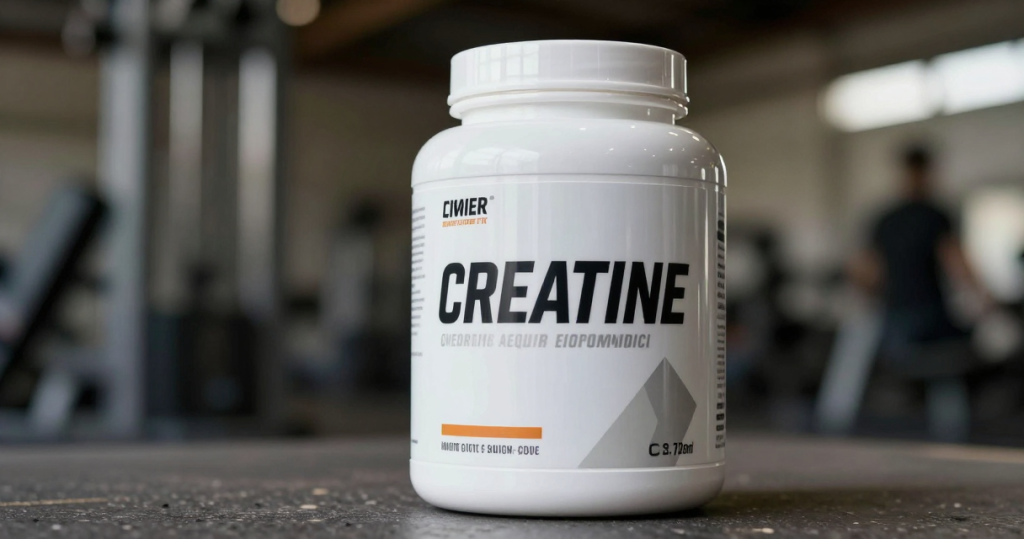
Creatine is one of the most popular and researched supplements in the fitness and sports nutrition world. Often associated with muscle building and improved athletic performance, creatine has become a staple for athletes and fitness enthusiasts alike. Understanding the basics of creatine, how it works, and its benefits can help individuals make informed decisions about incorporating it into their diet and training regimen. This article explores the fundamentals of creatine, its sources, mechanisms of action, potential benefits, and considerations for use.
What is Creatine?
Creatine is a naturally occurring compound found in small amounts in certain foods and synthesized in the body from amino acids. It is primarily stored in muscle tissue, where it plays a crucial role in the production of adenosine triphosphate (ATP), the energy currency of the cell. This energy is vital during high-intensity exercise, such as sprinting or weightlifting, where quick bursts of energy are required. The body can produce creatine from three amino acids: arginine, glycine, and methionine, but dietary sources can significantly enhance creatine levels.
Food sources of creatine include red meat, poultry, and fish, with beef and salmon being particularly rich in this compound. While these sources can contribute to creatine intake, the amounts are often insufficient for those looking to maximize their athletic performance. This is where creatine supplementation becomes beneficial, allowing individuals to increase their muscle creatine stores beyond what diet alone can provide.
How Does Creatine Work?
The primary function of creatine in the body is to enhance the production of ATP, which is essential for energy during high-intensity activities. When engaging in short bursts of strenuous exercise, such as sprinting or heavy lifting, ATP is rapidly depleted. Creatine helps regenerate ATP from adenosine diphosphate (ADP), allowing for continued performance during intense exercise. This is particularly beneficial in sports that require quick bursts of energy, such as weightlifting, sprinting, and high-intensity interval training.
Additionally, creatine may also promote cell hydration by drawing water into muscle cells, which can lead to increased muscle size and performance. This volumization effect may contribute to a more favorable environment for muscle growth and recovery. Furthermore, creatine has been shown to support increased muscle mass over time, making it a popular choice among bodybuilders and athletes looking to enhance their strength and power.
Benefits of Creatine Supplementation
Numerous studies have demonstrated the effectiveness of creatine supplementation in improving various aspects of athletic performance. One of the most significant benefits is the increase in strength and power output. Research indicates that individuals who supplement with creatine can lift heavier weights and perform more repetitions during resistance training, leading to greater muscle gains over time.
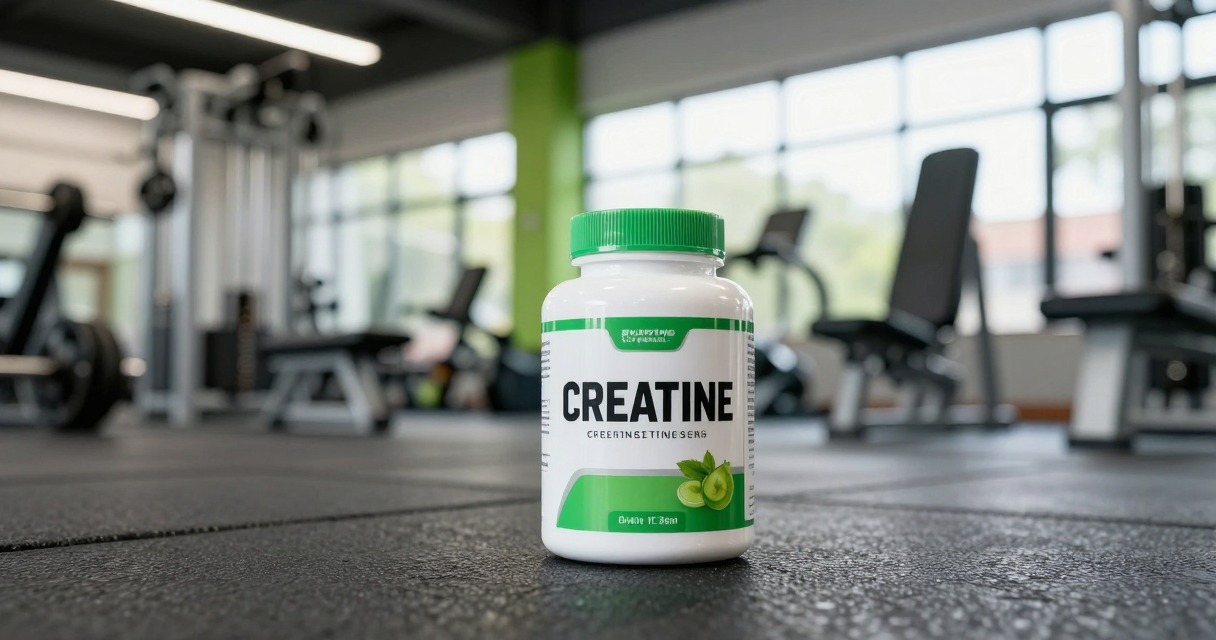
Moreover, creatine has been shown to enhance recovery following intense exercise. By reducing muscle cell damage and inflammation, creatine can help athletes bounce back more quickly from strenuous workouts, allowing for more frequent training sessions. This improved recovery can be crucial for athletes participating in competitive sports or those following a rigorous training schedule.
Types of Creatine Supplements
Creatine supplements come in various forms, each with unique characteristics. The most common type is creatine monohydrate, which has been extensively researched and proven effective for enhancing performance. It is typically the most affordable option and widely available, making it a popular choice among athletes.
Other forms of creatine, such as creatine ethyl ester, buffered creatine, and creatine hydrochloride, claim to offer advantages like improved absorption or reduced side effects. However, research supporting these claims is limited. For most individuals, creatine monohydrate remains the gold standard due to its proven efficacy and safety profile.
How to Use Creatine Effectively
To maximize the benefits of creatine supplementation, it is essential to understand the proper dosing protocols. A common approach involves a loading phase followed by a maintenance phase. During the loading phase, individuals typically consume 20 grams of creatine per day, divided into four 5-gram servings, for 5-7 days. This rapid increase in creatine stores can help individuals experience the benefits sooner.
After the loading phase, a maintenance dose of 3-5 grams per day is recommended to sustain elevated creatine levels. It is also important to stay well-hydrated while taking creatine, as increased water retention in the muscles can lead to dehydration if fluid intake is not sufficient. Consistency is key, and individuals should aim to take creatine at the same time each day, whether before or after workouts.
Potential Side Effects and Considerations
While creatine is generally considered safe for most people, some may experience mild side effects, such as gastrointestinal discomfort or cramping. These effects can often be minimized by ensuring proper hydration and not exceeding recommended doses. It is also important to note that individuals with pre-existing kidney conditions should consult a healthcare professional before starting creatine supplementation.
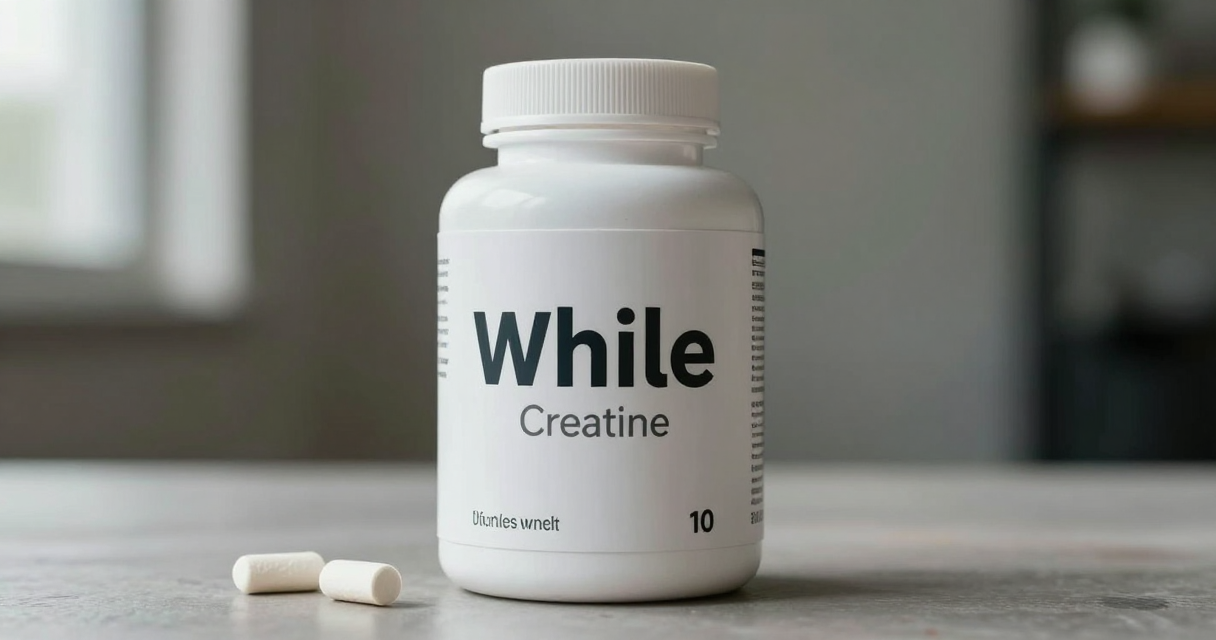
Moreover, the effectiveness of creatine can vary based on individual factors, such as muscle fiber composition and diet. For instance, vegetarians and individuals with lower baseline creatine levels may experience more significant benefits from supplementation compared to those who regularly consume creatine-rich foods. Understanding personal goals and training needs can help tailor creatine use for optimal results.
Creatine and Diet
Incorporating creatine into a well-balanced diet can enhance its effectiveness. Athletes and fitness enthusiasts should ensure they are consuming adequate protein, carbohydrates, and healthy fats to support muscle growth and recovery. Combining creatine supplementation with a nutritious diet rich in whole foods can create an optimal environment for performance enhancement.
For those looking to improve their overall dietary habits, including foods high in antioxidants, vitamins, and minerals can also support muscle recovery and overall health. Foods such as fruits, vegetables, whole grains, and lean proteins should be staples in an athlete’s diet. This balanced approach can work synergistically with creatine to promote better performance and health outcomes.