Sports nutrition is a critical aspect of athletic performance for women, encompassing a range of dietary strategies designed to optimize energy levels, enhance recovery, and support overall health. As more women engage in various sports, understanding the nuances of sports nutrition becomes essential. This article explores the specific nutritional needs of female athletes, effective supplementation, and the role of hydration, all tailored to support women’s unique physiological demands.
The Unique Nutritional Needs of Women Athletes
Women athletes face distinct nutritional challenges compared to their male counterparts, largely due to differences in body composition, hormonal fluctuations, and energy expenditure. For instance, women typically have a higher percentage of body fat and lower muscle mass, which can affect metabolism and nutrient requirements. Research indicates that female athletes may require more carbohydrates than previously recommended, especially during intense training phases or competition. A focus on complex carbohydrates, such as whole grains, fruits, and vegetables, can provide the necessary energy for endurance activities.
Additionally, iron intake is crucial for women, particularly those engaged in high-intensity sports. The Recommended Dietary Allowance (RDA) for iron is higher for women (18 mg) compared to men (8 mg) due to menstrual losses. To combat fatigue and support performance, female athletes should incorporate iron-rich foods like lean meats, beans, and fortified cereals into their diets. Pairing these with vitamin C sources can enhance iron absorption, making meals more effective in meeting nutritional needs.
The Role of Protein in Female Athletes’ Diets
Protein is a fundamental macronutrient for all athletes, but its importance is particularly pronounced for women involved in strength training and endurance sports. Protein aids in muscle repair and recovery, which is vital after rigorous workouts. The general recommendation for active women is to consume about 1.2 to 2.0 grams of protein per kilogram of body weight, depending on the intensity of their training. This can be achieved through a combination of animal and plant-based protein sources, ensuring a well-rounded intake.
Incorporating protein-rich snacks and meals throughout the day can help meet these requirements. For example, Greek yogurt, cottage cheese, and protein shakes are convenient options that can be consumed post-workout. Additionally, legume-based dishes, nuts, and seeds provide essential amino acids and can be included in a balanced diet to support muscle maintenance and growth.
Hydration Strategies for Optimal Performance
Hydration is often overlooked in sports nutrition, yet it plays a pivotal role in athletic performance and recovery. Women may have different hydration needs due to variations in body water composition. During exercise, fluid loss through sweat can lead to dehydration, impairing performance and increasing the risk of heat-related illnesses. Female athletes should aim to drink water consistently throughout the day, adjusting their intake based on activity level and environmental conditions.
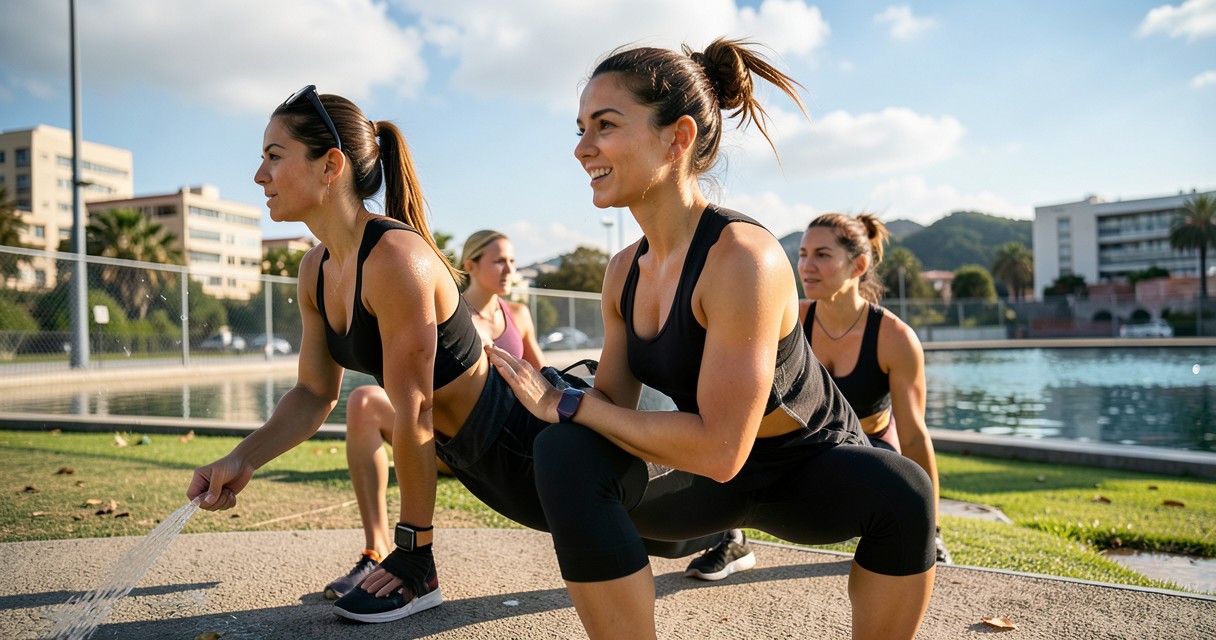
Sports drinks that contain electrolytes can be beneficial during prolonged or intense workouts, particularly in hot conditions. These beverages help replenish lost sodium and potassium, which are vital for muscle function and fluid balance. As a rule of thumb, drinking about 500 to 700 milliliters of a sports drink during extended sessions can help maintain hydration levels and enhance endurance.
Essential Supplements for Female Athletes
While a well-balanced diet should provide most of the nutrients needed for athletic performance, supplements can play a supportive role, particularly for women with specific nutritional gaps. Calcium and vitamin D are essential for bone health, especially for female athletes who may be at risk for osteoporosis. The RDA for calcium is 1,000 mg for women aged 19 to 50, increasing to 1,200 mg for those over 50. Vitamin D, which aids in calcium absorption, should also be monitored, particularly in regions with limited sunlight exposure.
Omega-3 fatty acids are another supplement worth considering, as they can help reduce inflammation and improve recovery times. These can be sourced from fish oil supplements or plant-based options like flaxseed oil. Additionally, creatine can be beneficial for women engaged in high-intensity training, as it may enhance strength and muscle mass. However, it is essential to consult with a healthcare provider before starting any supplementation to tailor it to individual needs.
Timing Your Nutritional Intake
The timing of meals and snacks can significantly impact performance and recovery for female athletes. Consuming a balanced meal containing carbohydrates and protein about 2 to 3 hours before exercise can provide the necessary energy and prevent muscle breakdown. For those engaging in longer workouts, a small snack, such as a banana or an energy bar, 30 to 60 minutes prior can be beneficial.
Post-exercise nutrition is equally important. A meal or snack rich in protein and carbohydrates consumed within 30 minutes after training aids in muscle recovery and replenishes glycogen stores. For example, a smoothie made with protein powder, fruits, and spinach can serve as an excellent recovery option. The focus should be on restoring energy levels and repairing muscle tissue to prepare for the next training session.
Understanding Body Image and Nutrition
Body image issues can significantly affect female athletes, leading to disordered eating patterns and inadequate nutrition. It is crucial to foster a positive relationship with food and emphasize the importance of nutrition for performance rather than appearance. Education on the role of food in fueling the body can help combat negative perceptions and promote a healthier mindset.
Coaches, trainers, and nutritionists should work together to create an environment where female athletes feel empowered to make informed dietary choices. Providing resources and support can help them understand that proper nutrition is not just about weight management but is essential for enhancing performance and overall well-being.
Emphasizing Whole Foods Over Processed Options
While supplements can be useful, the foundation of a successful sports nutrition plan should be whole foods. These foods provide a wealth of vitamins, minerals, and antioxidants that support overall health and athletic performance. A diet rich in fruits, vegetables, whole grains, lean proteins, and healthy fats can offer the nutrients needed to sustain energy levels and recover effectively.
Encouraging female athletes to prioritize whole foods over processed options can lead to better health outcomes and improved athletic performance. For example, preparing meals at home using fresh ingredients allows for greater control over nutrient intake and can foster healthier eating habits. Simple changes, like swapping out refined grains for whole grains or choosing fresh fruit instead of sugary snacks, can make a significant difference in energy levels and overall health.

I’ve always been fascinated by how the right nutrients can boost performance and recovery, so I spend my free time testing new sports drinks and supplements. Sharing what I learn helps others make informed choices for their fitness goals.