Understanding Your Protein Needs
Determining your daily protein intake starts with understanding how body weight, activity level, and fitness goals shape your requirements. A basic protein calculation begins by multiplying your weight in kilograms by a factor that reflects your lifestyle. Sedentary individuals may need only 0.8 grams per kilogram, but those who exercise regularly require significantly more to support performance and muscle recovery.
Activity level plays a major role in adjusting this number. If you train intensely several times a week, your daily protein intake should increase to 1.6–2.2 grams per kilogram of body weight. This higher range helps fuel muscle repair after workouts and prevents the breakdown of lean tissue during periods of calorie restriction. Choosing the right protein shake becomes easier once you know your exact needs.
Fitness goals further refine your protein calculation. Individuals aiming for muscle gain typically target the upper end of the range to provide ample amino acids for growth. Those focused on weight loss should still maintain adequate protein to preserve muscle mass while reducing overall calories, ensuring the body burns fat instead of valuable tissue.
Tracking these variables allows you to select a protein shake that delivers the precise amount needed each day. Whether your priority is building strength or shedding pounds, matching your shake to your calculated daily protein intake supports consistent progress and optimal muscle recovery. Reassess your numbers every few weeks as weight or training intensity changes.
Different Types of Protein Powders
When it comes to selecting protein powders, the variety of protein sources can be overwhelming, but focusing on absorption rates, digestibility, and dietary compatibility helps narrow down the choices. Whey protein is celebrated for its fast absorption, often absorbed by the body in under an hour, providing a quick boost of protein that aids in muscle repair and growth following intense physical activity. This type of protein is highly digestible for the majority of users, although those with lactose intolerance or following a strict vegan diet may need to seek alternatives.
Casein protein, another dairy-based option, is characterized by its slow absorption rates, taking up to several hours to fully digest. This property makes it particularly useful for maintaining a steady supply of amino acids during times of fasting, such as overnight, and it maintains good digestibility standards similar to whey protein. However, it is not appropriate for individuals avoiding animal products or preferring plant-based protein.
Shifting to plant-based protein, soy protein stands out as a complete protein with balanced absorption and excellent digestibility. It appeals to vegetarians, vegans, and those looking for non-dairy options, though it is best avoided by anyone with soy-related allergies or sensitivities to its natural compounds.
Pea protein is gaining popularity among plant-based protein enthusiasts for its superior digestibility and faster absorption than many other plant options. It is suitable for a wide range of dietary needs, including those with common allergies, as it is naturally free from gluten, dairy, and soy.
Finally, exploring other protein sources like rice, hemp, or even pumpkin reveals options that can address specific preferences, such as added fiber or essential fatty acids. Blending these with primary types like whey protein or casein protein can create customized shakes that meet absorption needs while respecting individual dietary restrictions and lifestyle choices.
Key Ingredients to Evaluate
When choosing a protein shake, carefully review the protein shake ingredients listed on the label to ensure you select a product that supports your health goals without unnecessary risks. Focus on the amino acid profile first, as a complete set of essential amino acids, including branched-chain amino acids like leucine, helps promote muscle repair and recovery after workouts.

Sweeteners play a major role in taste and nutrition. Opt for shakes with natural low-calorie options such as stevia rather than those loaded with added sugars, which can lead to energy crashes and unwanted weight gain. Checking the sugar content helps you avoid products that undermine your fitness progress.
Many quality formulas also include vitamins minerals like vitamin D, B-complex vitamins, and magnesium to support immune function, energy metabolism, and bone health. These added nutrients turn a basic shake into a more comprehensive supplement for daily wellness.
Pay close attention to flavor sources as well. Natural flavors derived from real fruits, vanilla beans, or cocoa provide better taste without the potential side effects of synthetic compounds. Artificial flavors often mask poor ingredient quality and may trigger headaches or digestive discomfort in sensitive individuals.
Watch out for fillers such as maltodextrin, carrageenan, or excessive gums that add bulk without nutritional value. These additives can cause bloating and reduce the overall effectiveness of the protein shake. High-quality products minimize these substances to deliver cleaner nutrition.
Finally, identify potential allergens including dairy, soy, gluten, or tree nuts, especially if you have known sensitivities. Reading the full ingredient list and allergen statement prevents adverse reactions and ensures the shake fits your dietary needs. Taking time to evaluate these elements leads to safer, more effective choices.
Aligning Shakes With Dietary Preferences
When selecting protein shakes, it is essential to consider dietary restrictions to ensure the product supports your health goals without unwanted ingredients. Many consumers now prioritize options that align with vegan, lactose-free, low-carb, or allergen-free lifestyles, making label scrutiny a key step in the decision process.
Vegan protein shakes offer a plant-based solution for those avoiding animal products. Look for formulas featuring pea, hemp, or rice protein isolates that deliver complete amino acid profiles. These shakes often come in unsweetened varieties to keep added sugars minimal while providing steady energy throughout the day.
Individuals managing lactose intolerance benefit from whey protein isolate or hydrolysate versions that contain negligible dairy sugars. Alternatively, switching to plant-derived blends eliminates lactose entirely and reduces digestive discomfort, allowing consistent use without side effects.
For low-carb or ketogenic diets, keto protein shakes formulated with minimal net carbohydrates and higher fat content help maintain ketosis. These typically include ingredients like MCT oil or avocado oil alongside moderate protein levels, supporting muscle recovery while respecting strict macronutrient targets.
Gluten-free options are widely available, yet verification remains important. Certified gluten-free protein shakes prevent cross-contamination risks for those with celiac disease or sensitivity. Checking for third-party certifications on packaging provides added assurance beyond basic ingredient lists.
Allergen-free choices require careful review of labels for common triggers such as soy, nuts, or artificial additives. Practical examples include single-ingredient plant proteins or dedicated hypoallergenic lines designed for sensitive users. Always scan the full ingredient panel and allergen statement before purchase.
Effective label reading involves noting total carbohydrates, protein source, and any certifications like vegan or gluten-free. Compare serving sizes and avoid hidden sugars listed under different names. This approach ensures the chosen shake truly matches your dietary restrictions and delivers expected benefits.
By matching shakes to personal needs, users achieve better adherence and results. Whether prioritizing vegan protein shakes, gluten-free options, or keto protein formulas, informed selection transforms protein supplementation into a seamless part of daily nutrition.
Choosing Trusted Brands and Products
When selecting the best protein shakes, evaluating brands through rigorous criteria ensures you invest in products that deliver real results. Start by prioritizing third-party testing, which confirms protein quality and verifies that each serving meets label claims without unwanted additives or contaminants. This independent verification builds confidence that you’re choosing supplements backed by science rather than marketing alone.
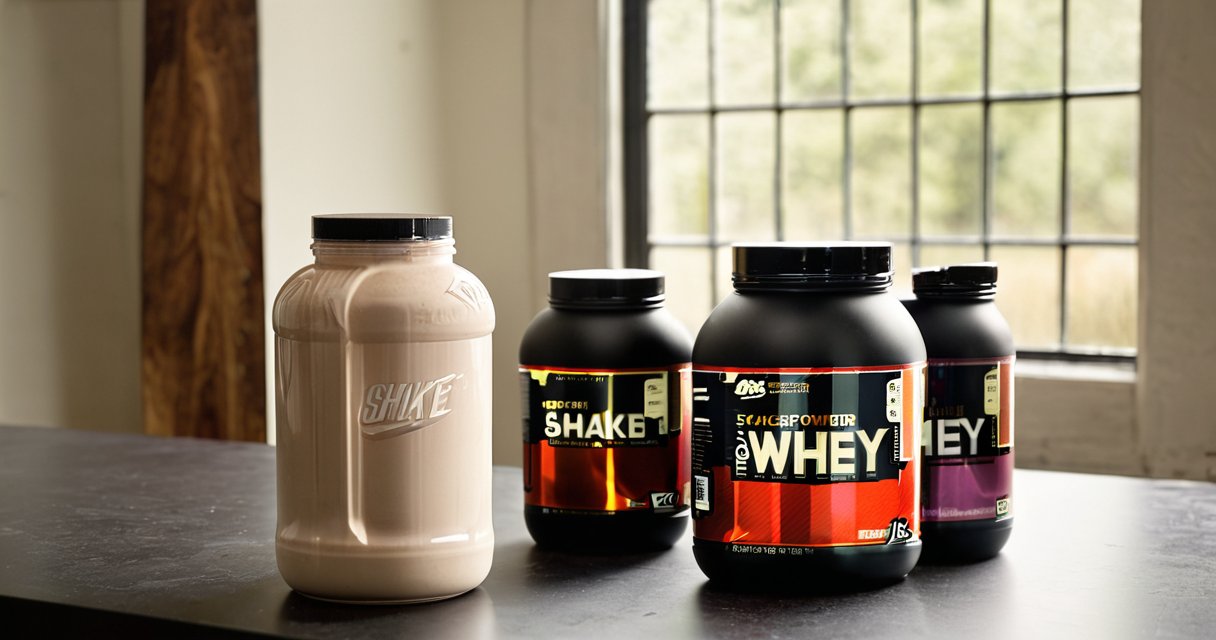
Brand reviews offer valuable real-world perspectives from other users. Reading detailed customer feedback highlights consistent performance, mixability, and effectiveness across different goals like muscle recovery or weight management. Pay attention to patterns in these reviews to identify brands that consistently earn trust for transparency and results.
Next, calculate price per serving to compare true value. A lower upfront cost can mask higher expenses when portions are small or quality is lacking, so divide total price by servings to find options that balance affordability with premium protein quality. This step prevents overspending while avoiding suspiciously cheap alternatives that may compromise on ingredients.
Taste remains a practical factor since daily consumption requires enjoyment. Sample flavors that suit your preferences to encourage consistent use, and cross-reference taste notes from brand reviews to avoid products that fall short in this area despite strong lab results.
By weighing lab testing, customer reviews, price per serving, and taste together, you gain the tools for an informed final purchase decision that supports your fitness objectives with reliable, high-quality protein shakes.

I’ve always been fascinated by how the right nutrients can boost performance and recovery, so I spend my free time testing new sports drinks and supplements. Sharing what I learn helps others make informed choices for their fitness goals.