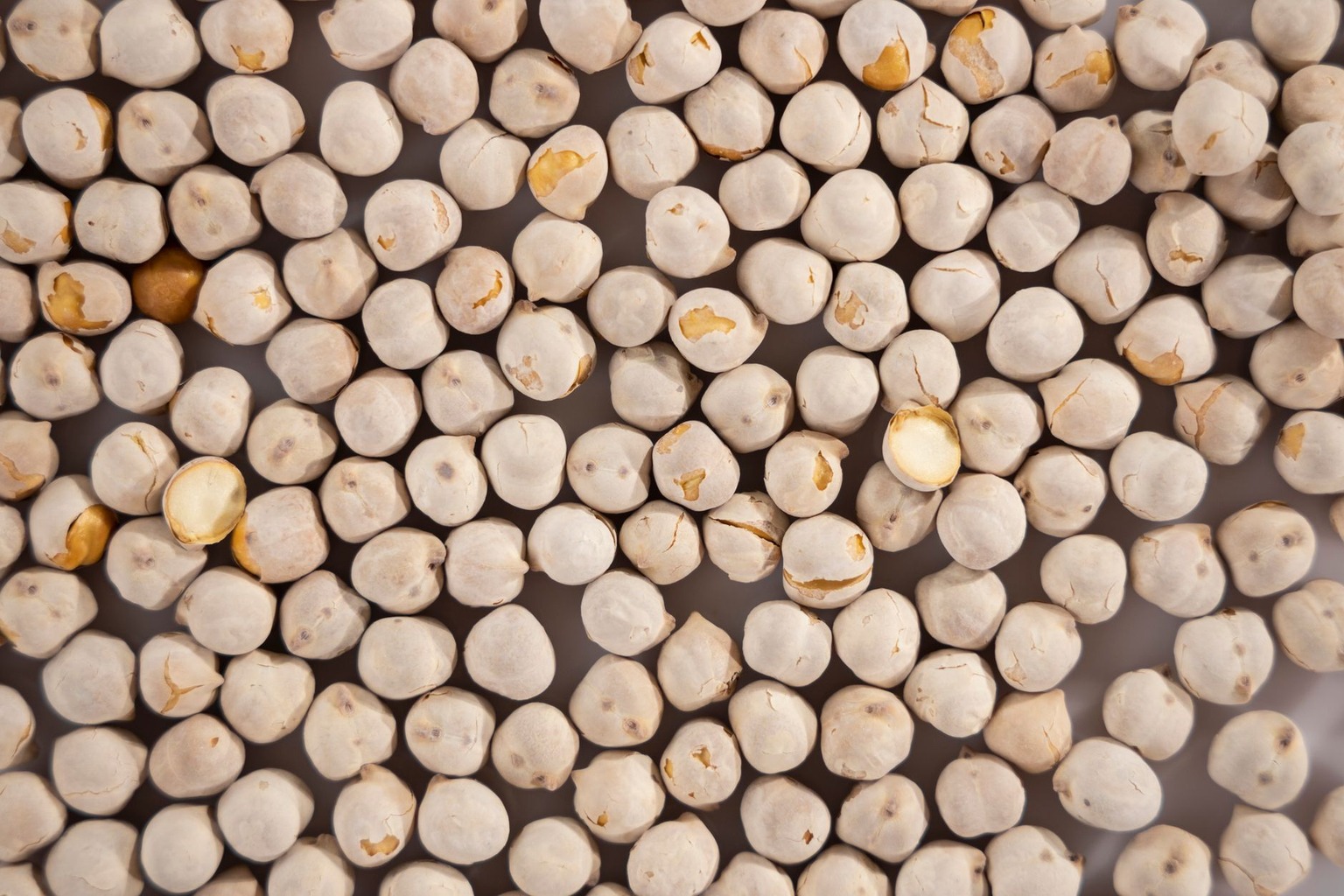
Figuring out your nutritional intake without animal products requires careful planning, especially when your primary goal involves keeping lean tissue intact and supporting recovery after heavy training sessions. Meeting strict vegan protein requirements demands more than just grabbing random salads because plant sources often lack the complete amino acid profiles found in whey or steak. Many trainees make the mistake of assuming that total daily grams on a tracking app tell the whole story, completely ignoring the crucial factor of protein quality and biological availability. Plant foods frequently come packaged with high amounts of fiber and carbohydrates, which can fill you up fast and make hitting your target numbers surprisingly difficult. To build muscle on a meatless diet, you must know how different plant proteins work together to create essential amino acid combinations for muscle growth.
Physiological Differences in Plant Versus Animal Protein Sources
Human skeletal muscle tissue relies on specific building blocks called amino acids to repair micro tears caused by heavy lifting and intense physical exertion. Animal proteins generally provide all nine essential amino acids in optimal ratios, triggering muscle protein synthesis efficiently with a single serving. Plant proteins, on the other hand, frequently lack sufficient amounts of one or more essential amino acids, most commonly lysine, methionine, or tryptophan. This means your body has to work harder to pool amino acids from different meals consumed throughout the day to support recovery and growth. Grasping this underlying biochemistry prevents you from spinning your wheels in the gym while eating a clean plant based diet that still falls short of your physiological needs.
Digestion rates also vary significantly between sources, impacting how quickly those precious amino acids reach your bloodstream after a workout. Animal foods break down with high efficiency, whereas plant cell walls made of cellulose can slow down absorption and lower the overall net amount utilized by your tissues. For instance, the bioavailability of a bowl of lentils is notably lower than an equivalent amount of chicken breast or egg whites. To compensate for this lower absorption rate, plant based athletes often need to bump up their total daily intake by about ten to twenty percent. Factoring in this bioavailability deficit ensures your muscles receive the exact nutritional support required for sustained maintenance over months of consistent training.
Calculating Daily Gram Targets for Optimal Muscle Retention
Standard nutritional guidelines often recommend a baseline of roughly zero point eight grams per kilogram of body weight, but that metric only prevents deficiency in sedentary individuals. If you lift weights regularly and want to protect your hard earned mass, that baseline is far too low for meaningful recovery. Active individuals should aim closer to one point six to two point two grams of protein per kilogram, giving the body enough raw material to maintain nitrogen balance. When adopting a meatless lifestyle, factoring in vegan protein requirements becomes essential because the lower digestibility of plants means you need a higher gross intake to match net muscle protein synthesis. Pushing your intake toward the higher end of that range guarantees you cover any absorption shortfalls without risking catabolism during intense training blocks.
Body composition goals also dictate how you should distribute your daily nutritional targets across multiple meals for maximum retention benefits. Distributing your intake evenly across four separate feedings spaced three to four hours apart maximizes the muscle full effect without overwhelming your digestive system. Eating all your daily grams in one massive dinner simply does not work as effectively for keeping your nitrogen levels elevated around the clock. Tracking your macros meticulously for a few weeks reveals hidden gaps in your daily routine that might be sabotaging your recovery and overall gym performance. Consistency with these numbers builds the metabolic foundation necessary to keep your muscle mass intact even during strict caloric deficits.
Amino Acid Profiles and Complementary Combining Strategies
The old myth about needing to combine specific plant foods at every single meal to form complete proteins has thankfully been debunked by modern sports science. Your liver maintains a rolling pool of amino acids throughout the day, meaning complementary pairing can happen over twenty four hours rather than in one sitting. However, paying close attention to limiting amino acids remains a smart strategy for anyone trying to maximize muscle protein synthesis on a plant based routine. Grains are typically low in lysine while legumes tend to be low in methionine, making rice and beans a classic pairing for a solid reason. Mixing these sources intelligently ensures your body never hits a brick wall due to a shortage of the specific building blocks required for tissue repair.
On the Myprotein channel they cover top plant-based protein sources, and you can watch it right here.
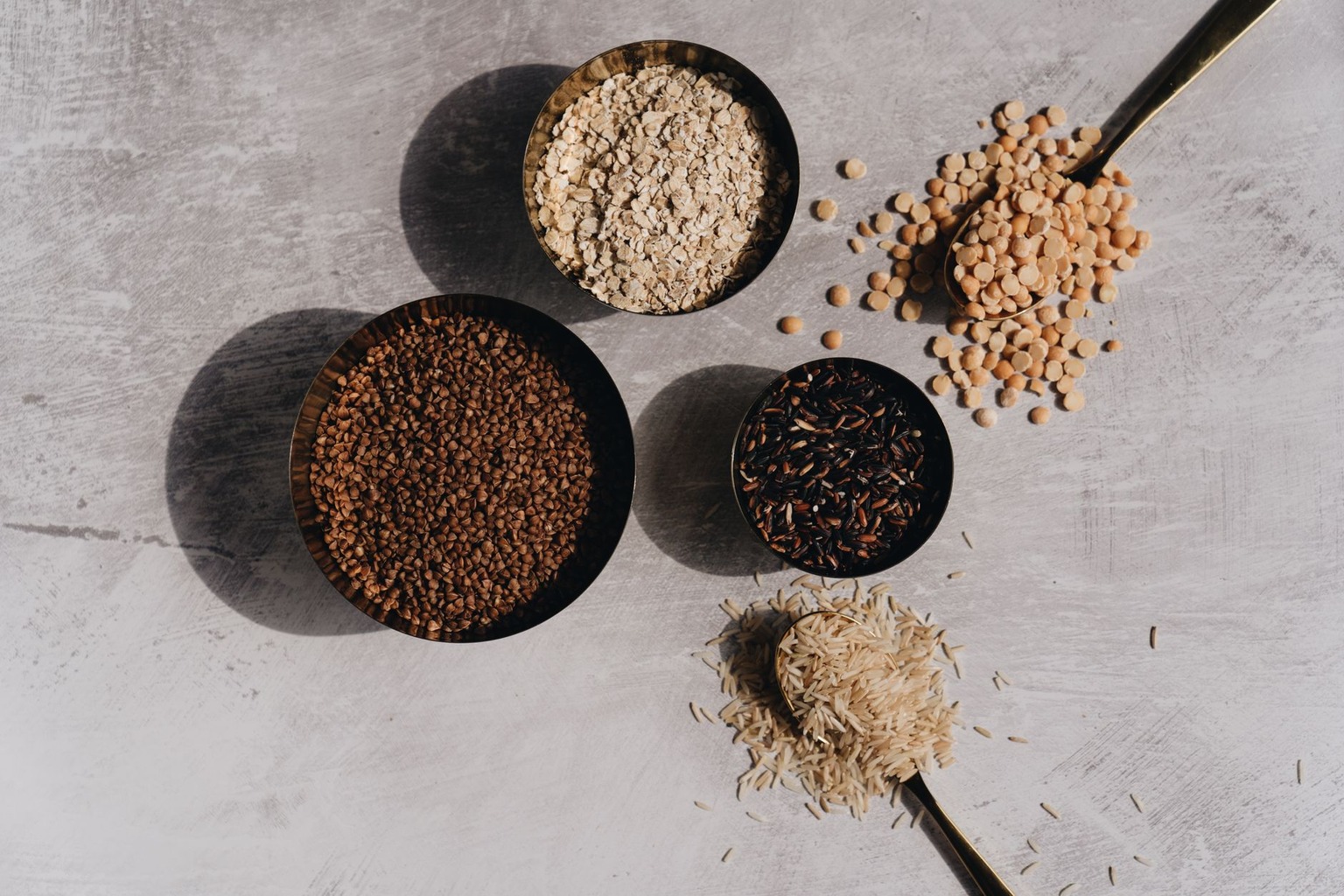
Supplementing your whole food meals with isolated powders can bridge the gap when hitting your amino acid thresholds becomes too difficult through solid food alone. Pea protein isolate delivers a fantastic punch of branched chain amino acids, particularly leucine, which acts as the primary molecular switch for muscle growth. Blending pea and rice powders together creates a complete profile that rivals traditional dairy whey in terms of amino acid richness and biological value. Keeping a tub of plant based powder in your kitchen pantry gives you an easy way to hit your daily targets without forcing yourself to eat massive volumes of beans. Smart use of these specialized supplements takes the guesswork out of meal prep and keeps your recovery metrics firmly on track.
Overcoming Digestive Hurdles Associated with High Volume Plant Diets
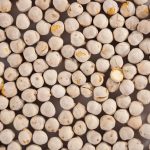
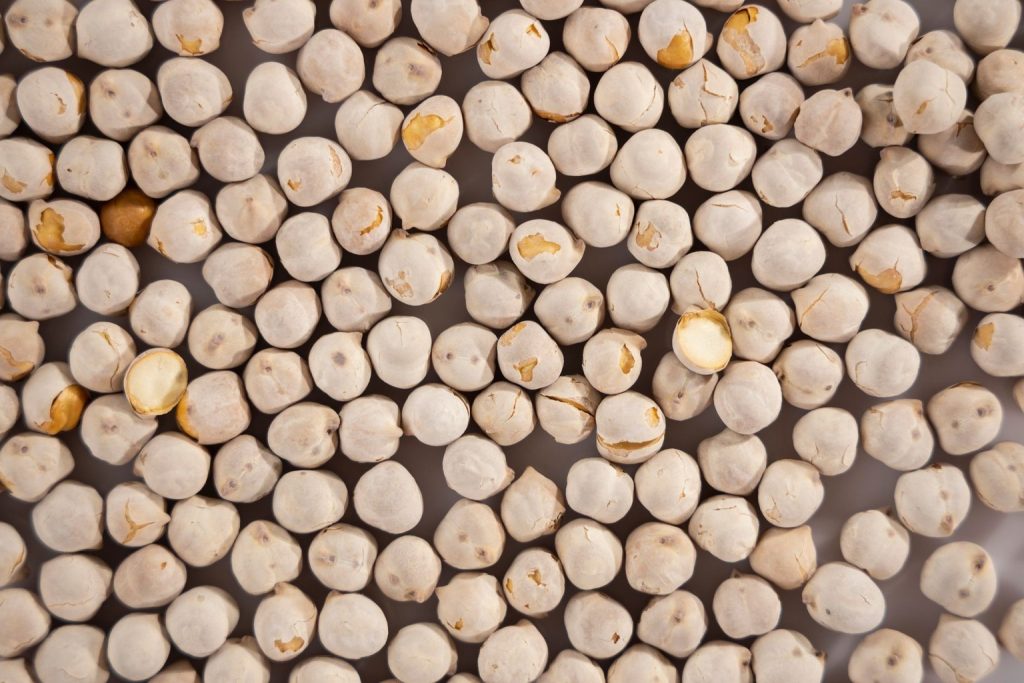
Ramping up your protein intake using whole plant foods usually means consuming massive quantities of beans, lentils, chickpeas, and dense whole grains every single day. This sudden surge in dietary fiber can wreak havoc on your gastrointestinal tract, leading to uncomfortable bloating, excessive gas, and sluggish digestion during your workouts. Training heavy while feeling stuffed with fibrous legumes is a miserable experience that severely compromises your gym performance and focus. To combat this issue, you need to introduce high protein plant foods gradually and drink plenty of water to keep things moving smoothly through your system. Spreading your fiber load across multiple smaller meals rather than eating giant bowls of beans helps your gut microbiota adapt to the increased workload over time.
Processing methods like sprouting, soaking, and fermenting play a massive role in breaking down anti nutrients such as phytates and lectins that interfere with mineral absorption. Phytates bind to important minerals like iron, zinc, and calcium, robbing your body of nutrients that are already harder to obtain on a meatless diet. Soakers and pressure cookers are your best friends here, as they significantly reduce cooking times while neutralizing compounds that cause stomach distress and poor nutrient uptake. Investing a little extra time into food preparation pays massive dividends in how you feel both inside and outside the gym. Better digestion means better nutrient utilization, which directly translates to superior muscle recovery and less time spent dealing with stomach aches.
Strategic Integration of Plant Based Supplements and Powders
Relying exclusively on whole foods to hit elevated protein targets can sometimes push your daily caloric intake higher than you actually want, especially during a fat loss phase. This is where targeted supplementation steps in to save the day by delivering pure protein grams with minimal carbohydrates and fats attached. Isolates derived from soybeans, hemp seeds, pumpkin seeds, and brown rice offer clean profiles that mix easily into shakes and post workout smoothies. These powders let you precisely control your macronutrients without forcing you to cook chicken alternatives every time hunger strikes between meetings or classes. Selecting third party tested brands ensures you avoid heavy metal contamination, which can occasionally be an issue with certain soil grown crops.
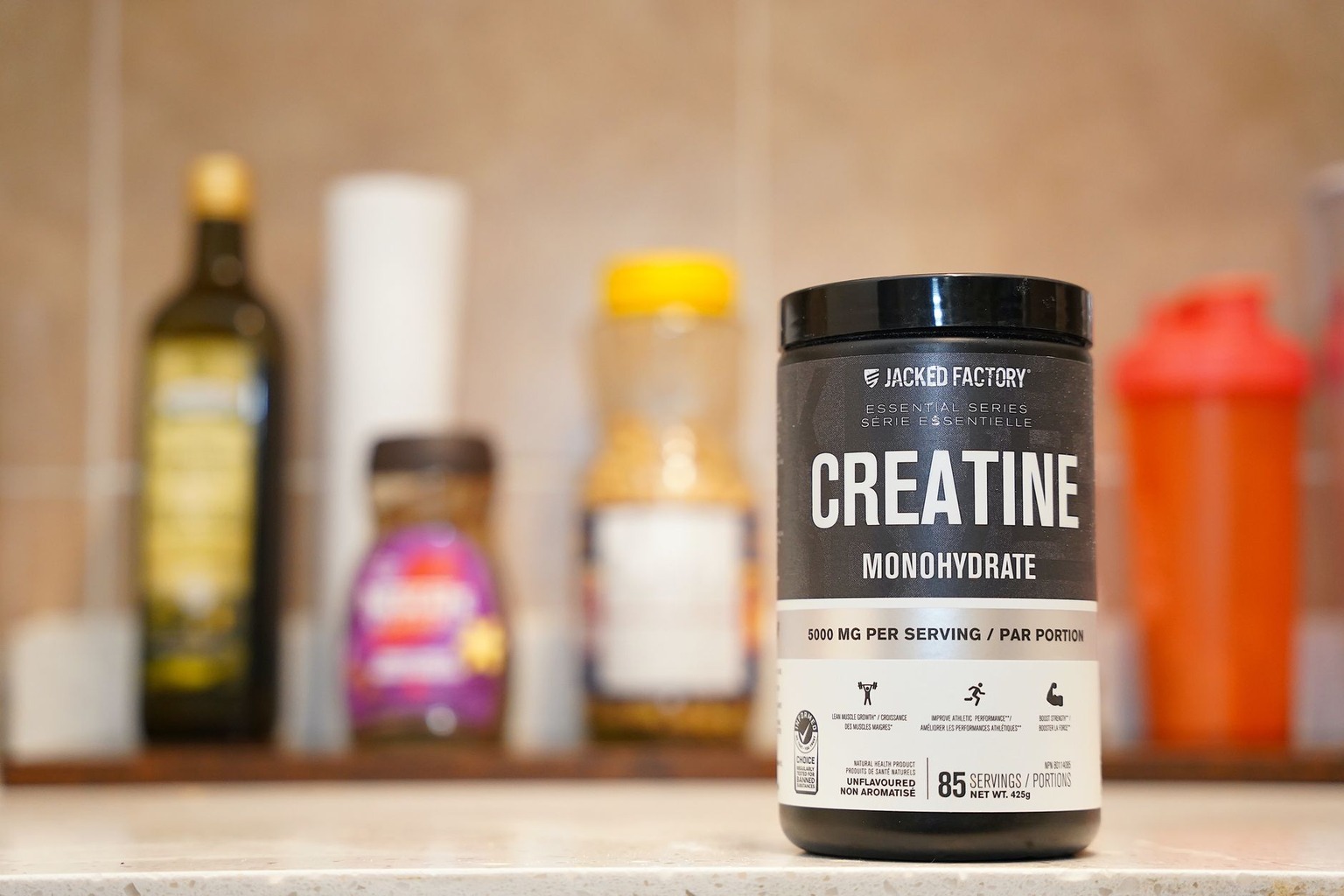
Timing your shakes strategically around your training sessions can also enhance your overall recovery efficiency and reduce post exercise muscle soreness significantly. Consuming a fast digesting plant blend containing at least three grams of leucine shortly after your workout kickstarts the repair process without making you feel overly sluggish. Adding a slow digesting micellar alternative or hemp based drink before bed helps supply a steady trickle of amino acids throughout your overnight fasting window. These small tactical adjustments accumulate over months of consistent training, helping you maintain your muscle mass just as effectively as any meat eating athlete in your gym. Supplements should never replace a balanced diet, but they act as powerful tools to help you cross the finish line every single day.
Tracking Progress and Adjusting Variables for Long Term Success
Monitoring your physical changes over time remains the ultimate test of whether your current nutritional strategy is actually working for your body and goals. Relying solely on the bathroom scale can be misleading because water retention and glycogen fluctuations often mask true muscle gains or losses. Taking progress photos under consistent lighting every couple of weeks gives you a much clearer picture of how your physique responds to your current protein intake. If you notice a flat appearance or a drop in strength during your compound lifts, you might need to bump up your daily grams or improve your sleep habits. Fine tuning these variables ensures you continue making progress without hitting frustrating plateaus that stall your physical development.
Listening to your body is just as important as crunching numbers on a nutrition app or tracking macros down to the exact decimal point. Chronic fatigue, nagging joint pain, and slow wound healing are all red flags signaling that your recovery systems are failing due to inadequate nutritional support. Do not hesitate to experiment with different food combinations, meal timings, and supplement brands until you find a routine that feels sustainable for your lifestyle. Consistency always trumps perfection in the long run, and finding a meatless approach you genuinely enjoy makes maintaining your physique effortless. Treat your nutrition as an evolving science experiment, and you will unlock the sustainable muscle maintenance you are looking for.

I’ve always been fascinated by how the right nutrients can boost performance and recovery, so I spend my free time testing new sports drinks and supplements. Sharing what I learn helps others make informed choices for their fitness goals.