Introduction to Amino Acids
Amino acids are essential organic compounds that serve as the fundamental building blocks of proteins, which are vital macromolecules in all living organisms. Understanding amino acids is crucial in grasping the basics of nutrition, as they play a central role in numerous physiological processes that maintain human health. These compounds are unique in their structure, containing both an amino group and a carboxyl group, which allows them to link together in specific sequences to form proteins.
Within the realm of nutrition basics, amino acids are recognized for their indispensable function in growth, repair, and maintenance of body tissues. Proteins, constructed from various combinations of amino acids, are involved in the synthesis of enzymes, hormones, and other vital molecules that facilitate metabolic reactions, immune responses, and cellular communication. The human body relies on a set of 20 standard amino acids to carry out these functions, of which nine are classified as essential because they cannot be synthesized internally and must be obtained from dietary sources.
These essential amino acids emphasize the importance of including a variety of protein-rich foods in the diet, such as meat, dairy, legumes, and certain grains, to ensure adequate nutritional intake. When consumed, amino acids from dietary proteins are absorbed into the bloodstream and transported to cells where they contribute to the synthesis of new proteins or the production of energy when needed. This dynamic role in human nutrition highlights amino acids not only as building blocks of protein but also as key players in overall health and physical well-being.
Moreover, amino acids influence multiple metabolic pathways and contribute to the production of neurotransmitters that affect mood, cognition, and muscle function. Their impact extends beyond basic nutrition, affecting muscle recovery after exercise, supporting immune function, and even regulating gene expression. In summary, understanding amino acids is fundamental for appreciating how nutrition supports bodily functions, emphasizes the importance of balanced protein intake, and ultimately promotes optimal health.
What Are Amino Acids?
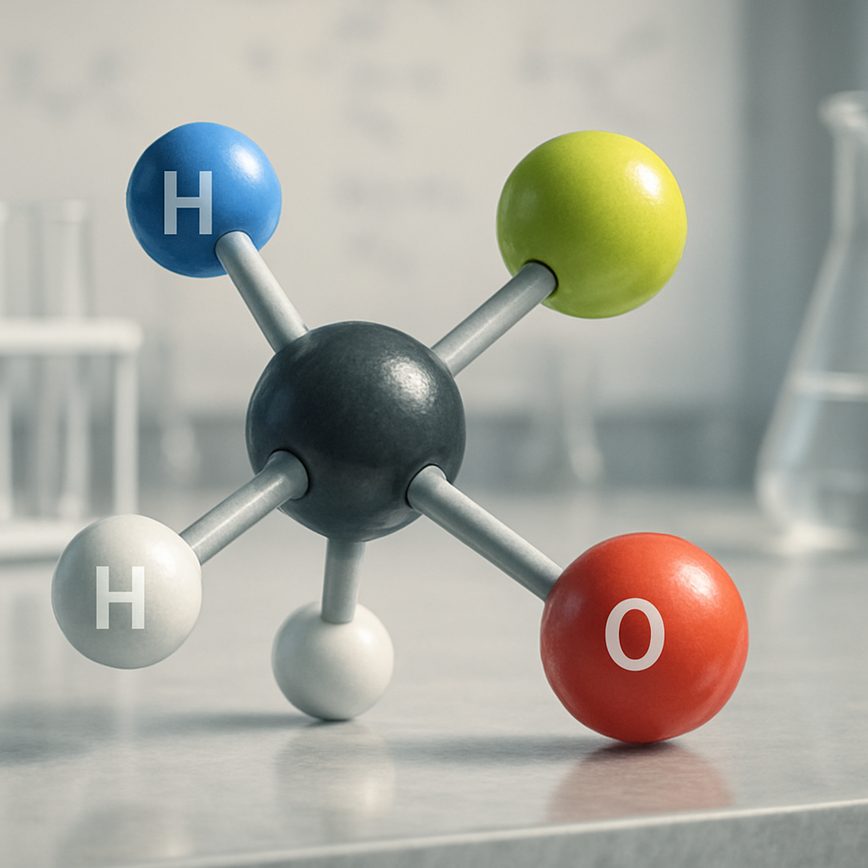
Amino acids are organic compounds that serve as the building blocks of proteins. Chemically, an amino acid has a basic structure that includes a central carbon atom (called the alpha carbon) bonded to four distinct groups: an amino group (-NH2), a carboxyl group (-COOH), a hydrogen atom, and a unique side chain or R-group that defines each amino acid’s properties. This distinct structure allows amino acids to link together through peptide bonds, forming proteins essential for various biological functions.
There are many types of amino acids, but they are commonly categorized into two main types: essential and non-essential amino acids. Essential amino acids cannot be synthesized by the human body and must be obtained through diet. These include amino acids like leucine, isoleucine, and valine, which play vital roles in muscle repair and metabolism. Non-essential amino acids, on the other hand, can be produced internally by the body and include types such as alanine and glutamine. Both types are crucial, but essential amino acids are indispensable because our bodies depend on external sources for them.
Understanding the amino acid structure and differentiating between these types is fundamental for grasping their role in nutrition and overall health. Their unique chemical structure and classification directly influence how proteins function and how nutrition supports bodily processes.
Role of Amino Acids in the Body
Amino acids play a crucial role in the body, primarily as the building blocks of protein synthesis. Proteins are essential for the growth, repair, and maintenance of bodily tissues, making amino acids indispensable for overall health. Without a sufficient supply of amino acids, the process of assembling proteins would be impaired, directly affecting muscle development, enzyme production, and immune function.
Beyond protein synthesis, amino acids are deeply involved in various metabolic processes that keep the body functioning optimally. They act as precursors for important molecules such as neurotransmitters, hormones, and nucleotides. These molecules regulate key bodily functions including mood, energy metabolism, and cell communication. The metabolism of amino acids also provides energy, especially during periods of fasting or intense physical activity when carbohydrate stores are depleted.
Furthermore, specific amino acids support detoxification pathways in the liver, aiding in the removal of harmful substances from the body. Some amino acids also contribute to the synthesis of glutathione, a powerful antioxidant that protects cells from oxidative stress. This highlights the multifaceted roles of amino acids beyond their traditional association with protein formation.
In summary, amino acids are vital not only for protein synthesis but also for sustaining critical bodily functions through their involvement in metabolism and regulation of diverse physiological processes. Ensuring an adequate intake of essential amino acids through nutrition supports these complex biological roles and promotes overall health and wellbeing.
Types and Classification of Amino Acids
Amino acids are the building blocks of proteins and play a crucial role in nutrition and overall health. Understanding the types and classification of amino acids is essential for recognizing their functions and dietary importance. Amino acids are broadly categorized into three groups: essential amino acids, non-essential amino acids, and conditional amino acids.
Essential amino acids are those that cannot be synthesized by the human body and must be obtained through the diet. These amino acids are vital for processes such as tissue repair, nutrient absorption, and enzyme production. The nine essential amino acids include histidine, isoleucine, leucine, lysine, methionine, phenylalanine, threonine, tryptophan, and valine. Foods like meat, dairy, eggs, and certain plant sources such as quinoa and soy provide these essential amino acids.
Non-essential amino acids, in contrast, are those that the body can produce on its own, even if they are not supplied directly through food. The body synthesizes these amino acids from other compounds and metabolic processes, making dietary intake less critical under normal conditions. Examples of non-essential amino acids include alanine, asparagine, aspartic acid, and glutamic acid. While labeled ‘non-essential,’ these amino acids remain crucial for protein synthesis and metabolic functions.
Conditional amino acids form a unique category that falls between essential and non-essential. These amino acids are usually synthesized by the body, but under certain conditions such as illness, stress, or injury, the body’s demand exceeds its ability to produce them. Therefore, they become essential during these times. Examples include arginine, cysteine, glutamine, tyrosine, glycine, ornithine, proline, and serine. Their importance is particularly noted in medical nutrition therapy and recovery from trauma or illness.
In summary, amino acid categories—essential, non-essential, and conditional—help us understand nutritional needs and physiological roles. Essential amino acids must be supplied by diet, non-essential amino acids are synthesized by the body under regular circumstances, and conditional amino acids require dietary support during periods of metabolic stress. Knowledge of these classifications aids in making informed dietary choices to support health, repair, and growth.
Essential Amino Acids
Essential amino acids are those that the human body cannot produce on its own. Because of this, they must be obtained through dietary intake to meet the body’s nutritional requirements. These amino acids play a crucial role in protein synthesis, tissue repair, and various metabolic processes, making their inclusion in our diet vital for maintaining overall health and proper bodily function.
Since the body cannot synthesize essential amino acids, failure to acquire enough from food sources can lead to deficiencies that impact muscle growth, immune response, and energy levels. Therefore, understanding dietary requirements for essential amino acids is important for planning a balanced and nutritious diet.
- Meat, poultry, and fish: Rich in all essential amino acids, making them complete protein sources.
- Dairy products: Milk, cheese, and yogurt provide a good balance of essential amino acids.
- Eggs: Known for their high-quality protein content with all essential amino acids.
- Quinoa and soy: Plant-based sources that contain all essential amino acids, ideal for vegetarians and vegans.
- Beans and lentils: While not complete proteins individually, combining them with grains like rice creates a complementary amino acid profile.
Considering these amino acid sources ensures that dietary requirements for essential amino acids are met, supporting overall health and nutrition.
Non-Essential and Conditional Amino Acids
Non-essential amino acids are those that the body can synthesize on its own, reducing the necessity of obtaining them directly from the diet. This synthesis process typically occurs in the liver through various biochemical pathways, allowing the body to maintain adequate levels even if these amino acids are not consumed in food. The ability to produce these amino acids internally is crucial for sustaining protein synthesis, enzyme function, and overall cellular maintenance. Examples of non-essential amino acids include alanine, aspartic acid, and glutamic acid.
In contrast, conditional amino acids are generally non-essential but can become essential under specific physiological or pathological conditions. These conditions may include illness, stress, trauma, or rapid growth phases such as infancy or pregnancy. For example, glutamine and arginine are typically classified as conditional amino acids because their synthesis might not meet the body’s increased demands in such situations. When the body’s ability for amino acid synthesis is compromised or overwhelmed, dietary intake of these conditional amino acids becomes important to support recovery and maintain metabolic functions.
Understanding the distinction between non-essential and conditional amino acids highlights the dynamic nature of amino acid requirements and the importance of adaptive nutrition strategies. While the body generally regulates non-essential amino acid levels internally, the need for certain amino acids can shift due to health status or environmental stressors, underscoring the flexibility and complexity of amino acid metabolism in human nutrition.
Nutritional Importance and Dietary Sources
Amino acids, often referred to as the building blocks of proteins, play a crucial role in human nutrition and overall health. They are organic compounds that combine to form proteins, which are essential for various bodily functions, including tissue repair, enzyme production, and hormone synthesis. Dietary amino acids are vital because the body cannot synthesize all of them on its own, especially the essential amino acids that must be sourced from food. Consuming a balanced intake of these amino acids supports optimal growth, immune function, and muscle maintenance.
Protein-rich foods provide diverse and balanced amino acid profiles necessary for maintaining these bodily functions. Animal-based sources such as meat, poultry, fish, eggs, and dairy products are known for their complete protein content, supplying all the essential amino acids in the right proportions the human body requires. For individuals following plant-based diets, combining different plant-based foods like legumes, grains, seeds, and nuts is crucial to achieve a balanced profile of dietary amino acids. For example, rice and beans together offer complementary amino acids that form a complete protein source.
The nutrition benefits of consuming adequate dietary amino acids extend beyond muscle growth and repair. Amino acids are involved in producing neurotransmitters, antioxidants, and immune system molecules that maintain the body’s resilience and energy levels. Additionally, balanced intake aids in metabolic processes and can influence satiety, helping to regulate appetite and weight management. Because each amino acid serves distinct yet interconnected roles, a diverse diet ensures the availability of all types necessary for optimal health.
Key dietary sources of amino acids include lean meats, eggs, milk, cheese, and fish, which offer superior digestibility and amino acid balance. Plant-based options such as soy products, quinoa, chia seeds, and spirulina also provide substantial amounts of essential amino acids and are excellent choices for vegetarians and vegans. To maximize nutrition benefits, incorporating a variety of these foods into daily meals ensures sufficient intake of both essential and non-essential amino acids, supporting all physiological needs and promoting long-term wellness.
Amino Acids in Plant-Based vs Animal-Based Foods
When comparing amino acid profiles, plant protein and animal protein each offer unique benefits important for balanced nutrition. Animal-based foods, such as meat, dairy, and eggs, generally contain all essential amino acids in optimal ratios, making them complete proteins. This high-quality amino acid profile supports muscle growth, repair, and overall bodily functions efficiently.
In contrast, most plant-based foods tend to lack one or more essential amino acids, often described as incomplete proteins. For example, grains may be low in lysine, while legumes might have lower methionine levels. However, by combining diverse plant protein sources—such as beans with rice or lentils with quinoa—it’s possible to obtain a full spectrum of essential amino acids that equate to the quality found in animal protein sources.
Additionally, plant proteins come with fiber, antioxidants, and lower saturated fat, contributing to broader health benefits beyond amino acids. For those focusing on a plant-based diet, paying attention to amino acid profiles ensures they meet their nutritional needs fully. Meanwhile, animal proteins offer a convenient source of all essential amino acids but may come with higher cholesterol and saturated fat content. Therefore, understanding the distinct amino acid profiles in plant and animal proteins helps individuals tailor their diets for optimal health and balanced nutrition.
Health Benefits of Adequate Amino Acid Intake
Sufficient amino acid intake is crucial for supporting muscle growth and repair. Amino acids, the building blocks of proteins, play an essential role in repairing muscle tissues that get damaged during exercise or daily activities. Without an adequate supply of amino acids, muscle recovery can be delayed, and growth may be stunted, hindering physical performance and strength gains.
Beyond muscle health, amino acids also contribute significantly to immune support. They are vital components in the synthesis of antibodies and immune system cells that defend the body against infections and illnesses. Amino acids such as glutamine are particularly important for maintaining the integrity and function of the immune system, especially during times of stress or illness.
Moreover, amino acids impact overall metabolic health by participating in various biochemical processes. They help regulate hormone production, enzymatic activities, and energy metabolism, all of which are essential for maintaining a healthy metabolism. Adequate amino acid consumption ensures that the body efficiently processes nutrients and sustains energy levels, promoting metabolic stability and optimal function throughout the body.

I’ve always been fascinated by how the right nutrients can boost performance and recovery, so I spend my free time testing new sports drinks and supplements. Sharing what I learn helps others make informed choices for their fitness goals.